
Vandaag of morgen in huis

Kwaliteit gegarandeerd

Welkomstaanbiedingen ontgrendelen: GRATIS bezorging | Tot 80% korting | Gratis 30 dagen JoyPlus-proefperiode
Download de app
When you buy baby products, you’ll soon come across terms such as “anti-colic”, “extra soft” and “suitable from birth”. These descriptions only tell you so much unless you check the specifications behind them. A bottle with the wrong teat size, for example, may be awkward to use, while a large pack of nappies may not be good value if the fit isn’t right.
As a Joybuy Product Recommendation Officer, I look beyond marketing language and focus on verifiable product information. This helps you quickly see which features matter for your baby, household and daily routine.
A product for 0 to 6 months won’t automatically suit every baby in that age group. With baby bottles and teats, feeding pace, type of feed and whether you’re combining bottle-feeding with breastfeeding all play a part. A faster-flow teat, for example, may be less suitable for a newborn.
So always check:
An anti-colic baby bottle usually has a valve or design that, according to the product description, should help prevent air from mixing with the feed. This is a technical feature, not a guarantee of a particular result for every baby.
The Difrax S-Bottle Natural, for example, is described as having a valve at the base. According to the product description, this supports a steady flow of milk and reduces the chance of air mixing with it. When using the bottle, still check that it’s assembled correctly and that the air vent is clear.
A large box of Pampers nappies or baby wipes may look like good value, but how much you get out of it depends on the size, fit and your nappy-changing routine. For wipes, the ingredients and material also matter. “Plastic-free” may refer to the wipe itself, while the packaging may still contain plastic.
So check:
For products that go in your baby’s mouth, BPA-free materials and clear care instructions are important things to check. Silicone and polypropylene are commonly used in baby bottles, teats and dummies. Check whether every part can be cleaned separately and whether sterilising is permitted according to the label.
A Difrax dummy, for example, may have a polypropylene shield and a teat made from medical-grade silicone. According to the product information, the Difrax LOVI Prime is made from 100% medical-grade silicone and is BPA-free. These are product specifications; they don’t offer a general guarantee of acceptance or comfort.
With baby teats, “more milk per second” isn’t automatically more convenient. A smaller or slower-flow teat is often used for newborns. From around 3 months, there are medium-flow options, and from 6 months, options for thicker feeds, depending on the product information.
Also check compatibility when choosing a Difrax baby bottle. Some Difrax Natural teats fit narrow S bottles, but not Wide models. According to the product description, the Difrax Natural Bottle Teat Medium is intended for babies from 3 months and comes in a pack of two. The Large version is intended for babies from 6 months who have thicker feeds, according to the same information.
Baby products are often used several times a day. A bottle with lots of hard-to-reach parts takes more effort to maintain. Before use, check teats and dummies for cracks, stickiness and distortion. Replace any damaged parts.
The product information for several Difrax dummy models recommends replacing them approximately every six weeks with daily use. Always follow the instructions on the packaging, check the product regularly and never use a bottle teat or feeding teat as a dummy.
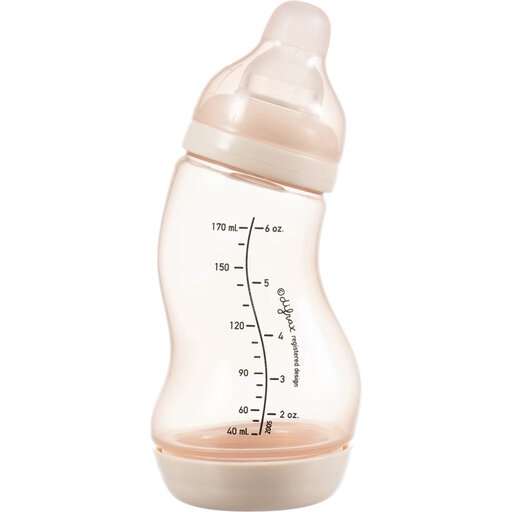
Why it suits this profile: The 170 ml capacity and included S teat make this bottle suitable from birth. It’s a straightforward choice for parents buying their first baby bottle.
The age guidance and teat size are clearly stated, so you won’t need to order a separate, faster-flow teat straight away.
170 ml capacity, BPA-free polypropylene according to the product information, an S teat and a removable base for cleaning.
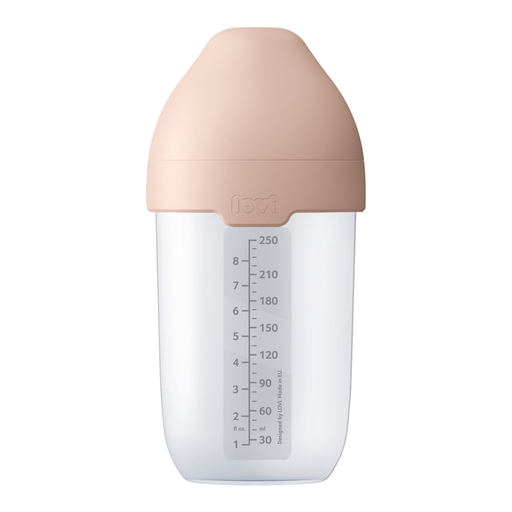
Why it suits this profile: This bottle is designed for parents who combine breastfeeding and bottle-feeding and value a soft, wide-feeling bottle teat.
The 250 ml bottle comes with a 3m+ Slow Flow teat. According to the description, a separate 0m+ Mini teat is needed for use from birth.
250 ml capacity, a dynamic teat made from medical-grade silicone and measurement markings. According to the product information, the bottle and teat are dishwasher-safe.
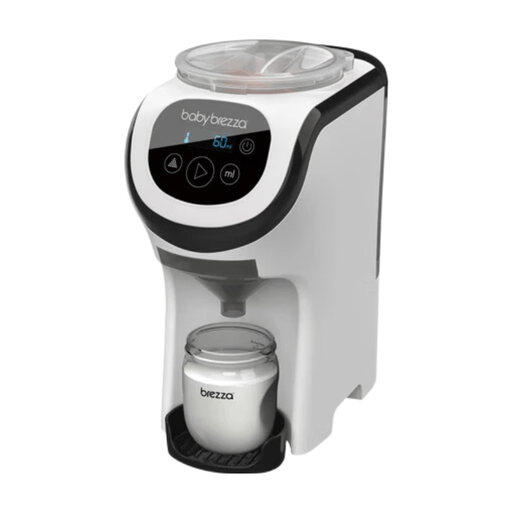
Why it suits this profile: Handy for families who regularly prepare formula and have limited kitchen space, or are looking for a compact solution for travelling.
The machine uses preset amounts from 60 to 300 ml. Check the current settings for your formula and clean the water tank and funnel regularly.
Compact design, LCD controls, BPA-free parts according to the product information, and a removable, dishwasher-safe water tank.
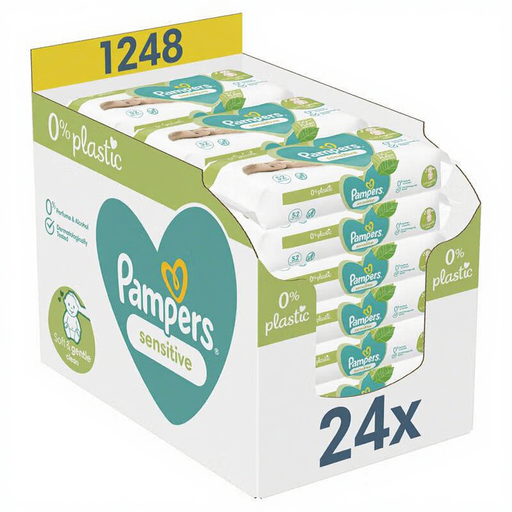
Why it suits this profile: A large supply of baby wipes for families who change nappies frequently and want wipes without fragrance, alcohol or plastic.
The product information states that the wipes contain 0% plastic and are free from alcohol and fragrance. The packaging is still a separate material to check.
24 packs of 52 wipes, fragrance-free according to the product specifications, and suitable from 0 months.
We’ve put together a complete, up-to-date list of products that meet these strict selection criteria and the applicable European safety regulations.
A practical starter kit includes a few baby bottles or a feeding system, suitable baby teats, nappies in the right size, baby wipes and gentle baby care products. Only add products you’ll actually use. If you’re breastfeeding, one or two bottles may be enough to start combining feeds gradually.
Their lifespan depends on the material, how often they’re used and how they’re cared for. Check bottles and teats before every use. Replace a teat if you notice cracks, stickiness, discolouration or distortion. For dummies, product information often recommends replacing them approximately every six weeks with daily use. Always follow the manufacturer’s instructions and check the condition of the product.
Not necessarily. Check whether “plastic-free” refers to the wipe or the entire pack. Also consider the number of wipes, the ingredients and the disposal instructions. Don’t flush baby wipes down the toilet, even if the packaging suggests they’re biodegradable.
