
Vandaag of morgen in huis

Kwaliteit gegarandeerd

Welkomstaanbiedingen ontgrendelen: GRATIS bezorging | Tot 80% korting | Gratis 30 dagen JoyPlus-proefperiode
Download de app
When you’re buying baby products, you’ll often come across big promises about comfort, safety and convenience. But eye-catching packaging tells you little about whether a product is right for your baby. The best choice depends mainly on size, weight, materials, how you’ll use it and clear safety information.
Age is only a rough guide. For nappies, a baby carrier or a baby sleeping bag, weight and height matter more. Two babies of the same age may need quite different fits. Always check the size guide, and look out for signs such as leaks, gaping leg cuffs or a neck opening that’s too loose.
Phrases such as “12-hour protection”, “ergonomic” or “extra soft” may sound appealing, but should be treated as product information from the brand. According to Pampers’ product description, for example, Baby-Dry Pants have an absorbent core that provides up to 12 hours of protection. That doesn’t mean a nappy will remain suitable for 12 hours for every child or in all circumstances. You’ll still need to change your baby when their nappy is dirty or full.
Claims about being kind to skin aren’t automatically a guarantee for every baby either. According to the manufacturer’s own information, certain Pampers products have been dermatologically tested. Stop using the product if irritation occurs, and speak to a healthcare professional if symptoms persist.
A product may look sturdy without making it clear which standard it meets. For a baby car seat, cot or sleeping bag, it’s important to check the relevant regulations, fastening system and warnings. If information about maximum load, age, height or assembly is missing, it’s worth looking elsewhere.
For size 5 and 6 nappies, check the following first:
For baby wipes, the ingredients matter just as much as the number of packs. According to the product description, Pampers 99% Water wipes come with a water-based lotion and contain no alcohol or perfume. Always check the current ingredients list on the packaging. “99% water” doesn’t mean the product is made entirely of water.
A baby carrier should suit both your baby and you. Check:
According to the product specifications, the Momcozy carrier is suitable for around 3.18 to 19.96 kg, has adjustable straps and is made from 100% cotton. The manufacturer lists a front-facing carrying position. Always use a carrier under direct supervision and check it regularly for wear and tear.
A 2.5 TOG baby sleeping bag is intended for a relatively cool bedroom. The Vowia sleeping bag lists a recommended temperature range of 16 °C to 20 °C. TOG isn’t a guarantee of a set temperature: check the room temperature and dress your baby appropriately. Don’t use a sleeping bag with loose blankets or other bedding if the instructions advise against it.
According to Vowia, this model has been tested to OEKO-TEX Standard 100 and designed to EN 16781. Check the product information and packaging yourself, especially if you’re choosing a different size or colour. According to the specifications, size M is intended for a height of 66–76 cm and a weight of 7.3–10.9 kg.
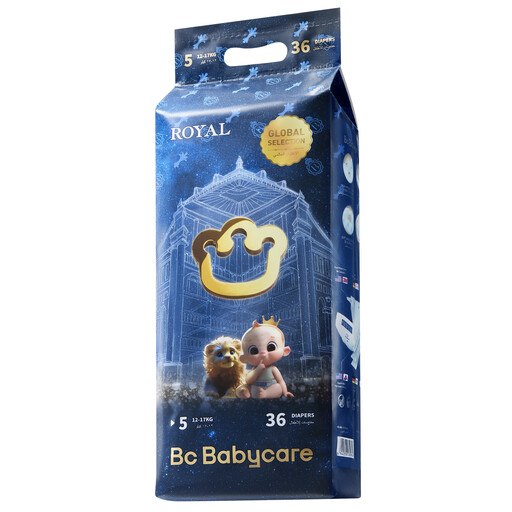
Why it suits this profile: A pack of 36 nappies is a practical choice if you want to try a size and fit before committing to a larger supply.
The stated weight range of 12–17 kg makes it easier to compare sizes than relying on age or wording on the packaging alone.
SAP absorbent core, 360-degree leak protection according to the product description, and an adjustable waistband.
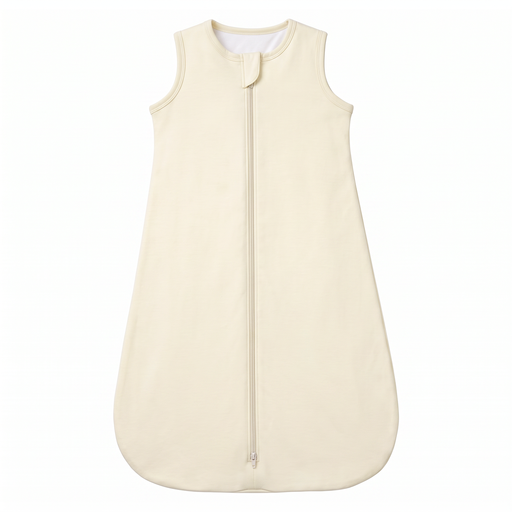
Why it suits this profile: A good fit for parents who pay close attention to material information, temperature guidance and choosing the right size for sleep.
The product description gives the TOG rating, temperature range, size guidance and warnings about overheating.
100% cotton outer fabric and lining according to the specifications, plus a two-way zip for nappy changes.
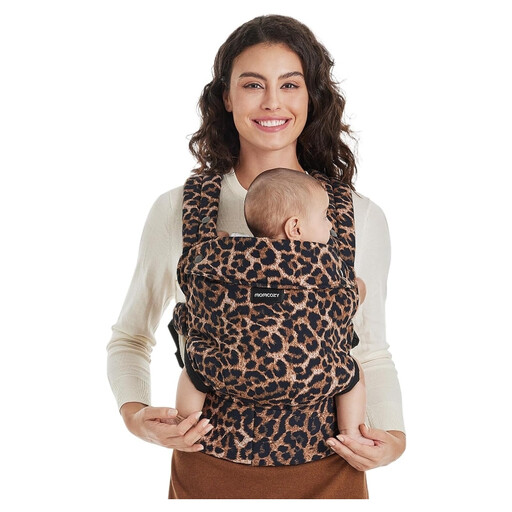
Why it suits this profile: Handy for parents who often go for walks, travel or want to keep their hands free during everyday activities.
The specifications state clear minimum and maximum weights. The safety instructions emphasise keeping airways visible and buckles fastened.
100% cotton according to the product information, adjustable straps and a machine-washable design.
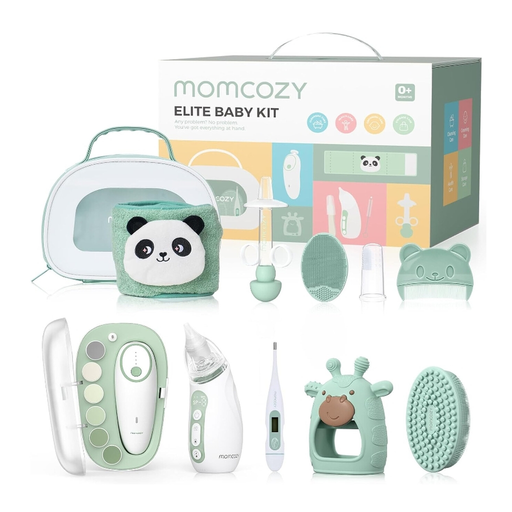
Why it suits this profile: A practical choice if you want to keep several baby care essentials organised together.
The set lists its individual items, including an electric nail file, thermometer, nasal aspirator, comb and bath brush.
Storage case and battery-powered items according to the product information; always use under adult supervision.
We’ve put together a complete, up-to-date list of products that meet these strict selection criteria and the applicable European safety regulations.
Depending on your baby’s age and your daily routine, these baby products may also be worth considering:
Start with the everyday essentials: nappies, baby wipes, clothes, a safe sleep solution, care products and transport. Don’t buy large quantities in one size straight away. Babies grow quickly, and an unused product can end up costing more than a smaller first purchase.
It depends on the product. Nappies and wipes are consumables. You can use a sleeping bag until it no longer fits or isn’t right for the temperature. Regularly check a carrier, cot or car seat for worn buckles, seams, fastenings and general wear. Stop using a product if it’s damaged or if you can no longer follow its safety warnings.
Costs depend mainly on the number of nappy changes, the brand, the size and the pack quantity. A large box may lower the price per item, but only if your baby uses that size for long enough. So always compare the price per nappy, wipe or use, rather than looking only at the total price on the packaging.
