
Vandaag of morgen in huis

Kwaliteit gegarandeerd

Welkomstaanbiedingen ontgrendelen: GRATIS bezorging | Tot 80% korting | Gratis 30 dagen JoyPlus-proefperiode
Download de app
Baby products are often bought under time pressure. You’ve run out of nappies, a baby carrier turns out to be less comfortable than expected, or baby wipes cause irritation. Marketing terms such as “extra soft”, “12-hour protection” and “suitable for sensitive skin” sound clear, but they only tell you so much until you check the specifications and instructions for use.
The main pitfalls when buying baby products are:
For baby nappies and Pampers nappies, the size matters more than the number of nappies in the box. A nappy that’s too small can dig in, while one that’s too large can leak. Check the weight guide on the pack, then look for red pressure marks or leaks around the legs after use.
For active children, nappy pants can be practical. They pull on like underwear and often have tear-away sides for easy removal. According to the product description for Pampers Baby-Dry Pants, they have an elasticated waistband and protective barriers. These are verifiable design features; the stated protection of up to 12 hours remains a claim made by the brand and depends on factors such as fit, the amount of moisture and how often you change them.
If you’re buying a monthly box, also check:
Don’t automatically stock up on a large quantity if your child is growing quickly.
For products for sensitive baby skin, fragrance-free options are often a sensible place to start when comparing products. However, always check the full ingredients list and stop using a product if redness or discomfort occurs. “Dermatologically tested”, “hypoallergenic” and “kind to skin” are not universal guarantees for every child.
For example, product descriptions for various Pampers ranges mention 0% EU fragrance allergens and OEKO-TEX Standard 100. Pampers Harmonie is also described as containing no perfume or lotion and using cellulose from FSC-certified or controlled sources. These are properties stated by the manufacturer; check the current packaging and certification information when you buy.
For baby wipes and wet wipes for babies, these points are worth considering:
According to the product information, BC Babycare wipes contain 99% purified water, are fragrance-free and use plant-based fibres. The manufacturer also states that they are OEKO-TEX certified and plastic-free. Use wet wipes on the outside of the body only, keep the pack closed and don’t flush them down the toilet.
With breastfeeding products, ease of use involves more than the number of settings. A breast pump needs to fit well, its parts should be easy to take apart, and all parts that come into contact with milk must be cleaned thoroughly after use. For a wearable double pump, battery life, the included inserts and the size of the breast shields are important specifications.
A breast milk cooler needs particular attention to temperature control. According to its product description, the Momcozy cooler in our product selection uses a pre-frozen cooling tube and comes with two 650 ml bottles. The stated cooling time is a claim made by the manufacturer. Always follow the current guidelines for storing and transporting breast milk; a cooler is not a substitute for safe food storage.
For a baby carrier or ergonomic baby carrier, check the minimum and maximum weight, carrying position, adjustability and whether your baby’s face remains visible. Their airways must remain clear. Check the buckles, straps and seams before every use. A carrier described as suitable for 3,18 to 20 kg is not automatically suitable for a newborn if the instructions for use don’t say so.
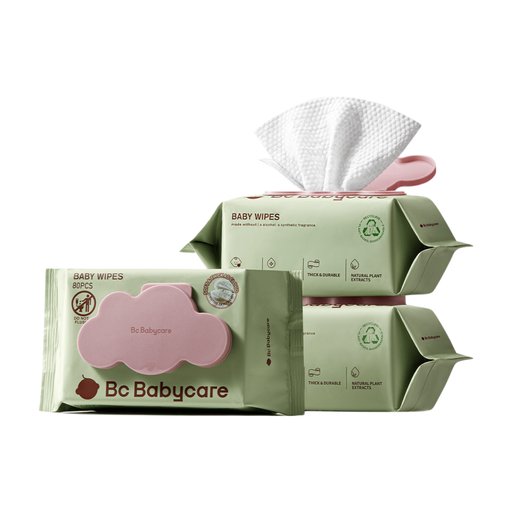
Why it suits this profile: A smaller pack of 240 wipes is manageable for parents who want to see how their baby responds to a new product first.
The pack clearly states the number of wipes. According to the product description, they’re fragrance-free and contain 99% purified water; always check the ingredients list yourself.
Plant-based fibres, a fragrance-free formula and a resealable pack, according to the product information.

Why it suits this profile: This option is a good fit for parents who pay attention to material specifications, fragrance-free care and having a supply for everyday use.
The product description states that it contains 0% perfume and lotion, has a wetness indicator and meets OEKO-TEX Standard 100. This makes it easier to assess than a simple claim about softness.
Monthly box with 186 nappies, cellulose from FSC-certified or controlled sources according to the product information, and a wetness indicator.
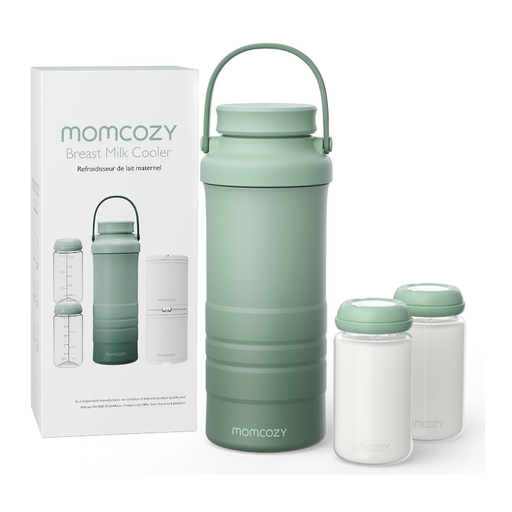
Why it suits this profile: Handy for carers who take expressed milk with them to work, on trips out or on longer car journeys.
The product description clearly states that the cooling tube must be completely frozen. This makes it clear that the stated cooling time depends on proper preparation.
650 ml capacity per bottle, two bottles included and a portable design, according to the product information.
We’ve put together a complete, up-to-date list of products that meet these strict selection criteria and the applicable European safety regulations.
Start with nappies in the right size, fragrance-free baby wipes or water and soft flannels, changing essentials and clothes. If you’re breastfeeding, you can add a breast pump, storage containers, reusable breast pads or a breast milk cooler later. Don’t buy all your feeding accessories in advance; every family’s needs are different.
Store unopened nappies somewhere dry and clean, away from direct sunlight. Check the pack for any additional information. Pay particular attention to the size: a large box isn’t good value if your baby outgrows it before you use it all. Compare the price per nappy and only buy larger quantities once you know the fit works in practice.
No. Even if wipes are described as thin or biodegradable, the instructions for use say they should go in your general waste. The BC Babycare wipes in this selection explicitly state that they must not be flushed down the toilet. Keep every pack tightly closed to prevent the wipes drying out or becoming contaminated.
