
Vandaag of morgen in huis

Kwaliteit gegarandeerd

Welkomstaanbiedingen ontgrendelen: GRATIS bezorging | Tot 80% korting | Gratis 30 dagen JoyPlus-proefperiode
Download de app
Finding the right baby products seems simple, until you have to choose from dozens of sizes, materials and marketing claims. Some packaging promises long-lasting protection, extra comfort or a natural-feeling feed. But a slogan means little if the size is wrong, the teat flow is too fast or a baby carrier isn’t suitable for your baby’s age.
This guide helps expectant parents and carers compare baby nappies, baby bottles and baby carriers using verifiable features. That way, you can shop with more confidence and avoid buying a product that ends up unused in the cupboard after a few weeks.
Babies don’t all grow at the same rate. A monthly box of Pampers or other baby nappies may seem like good value, but the wrong size can lead to leaks, pressure marks or unnecessary waste. So check the weight range on the packaging first, and make sure the nappy fits snugly around the legs and waist.
When buying newborn essentials, it’s often wiser to start with a small supply. The right size can change quickly, especially in the first few months.
Phrases such as “up to 12 hours’ protection”, “anti-colic” or “ergonomic” are only useful if you also check the specifications behind them. “Up to 12 hours”, for example, doesn’t mean a nappy never needs changing in the meantime. Always check the instructions and change your baby’s nappy when needed.
Claims about how a product works come from the brand’s product information. According to Pampers’ product description, certain Baby-Dry models have a super-absorbent core and a flexible waistband. That doesn’t guarantee that every baby will have the same experience.
A 250 ml bottle isn’t automatically suitable from birth. The teat supplied and its flow rate are just as important. Likewise, a baby carrier with a wide weight range isn’t necessarily suitable for a newborn who can’t yet support their head independently.
For every product, check:
Compare baby nappies by the weight range they’re designed for. Examples from the range include:
Also check whether the nappy has elasticated edges, a wetness indicator or a cut-out for the umbilical cord. The Pampers Harmonie size 1 is described as having a wetness indicator and a navel-friendly fit. The manufacturer also states that this range contains 0% perfume and lotion. Check the current packaging for full ingredient and safety information.
A thinner nappy isn’t automatically a better choice. Look at the type of absorbent core, the fastening and the space around the legs. For nappy pants, an elasticated waist and easy tear-away sides are practical for active toddlers.
Choose the capacity to suit feeding times and your baby’s age, not just because the packaging looks appealing. A 150 to 170 ml bottle can be practical for a newborn; a larger bottle may offer more flexibility later on.
Pay particular attention to:
The Difrax LOVI Mammafeel 250 ml bottle is listed with a 3m+ Slow Flow teat. According to the product information, a separate 0m+ Mini teat is needed for use from birth. The Difrax Natural S-Bottle 170 ml comes with an S teat for use from birth.
The term anti-colic baby bottles refers to a design that the manufacturer says may help reduce air intake. The Difrax S-Bottle, for example, has a valve at the base. Use the bottle according to the instructions, check the teat before every use and replace parts when they show signs of wear. A bottle won’t automatically prevent feeding problems.
With an ergonomic baby carrier, fit and safe positioning matter more than colour or pattern. Check that:
The Momcozy carriers in the range are listed in the product information for approximately 3.18 to 19.96 kg and around 3 to 24 months. The description mentions an M-shaped leg position, adjustable straps and a forward-facing carry position. Don’t use a baby carrier during activities where there’s a risk of falling, such as cycling or cooking over an open flame.
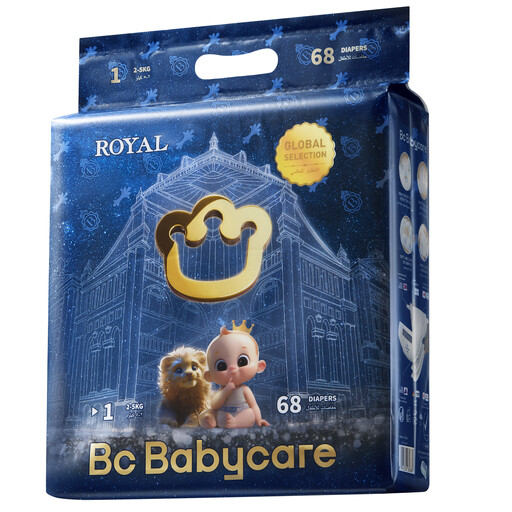
Why it suits this profile: A pack of 68 is a practical amount for anyone who wants to try a size before buying in bulk.
The product information clearly states a weight range of 2 to 5 kg. This makes it easier to compare than choosing based on an age label alone.
68 nappies, an absorbent core and a wetness indicator, according to the product description.

Why it suits this profile: A good choice for parents looking to stock up for the newborn stage who value product specifications relating to fit and materials.
The size is designed for babies weighing 2 to 5 kg, and the product description mentions a navel-friendly cut-out. Check the fit at every nappy change.
180 nappies, a Stop & Protect pocket according to the description, and no EU fragrance allergens according to the manufacturer.
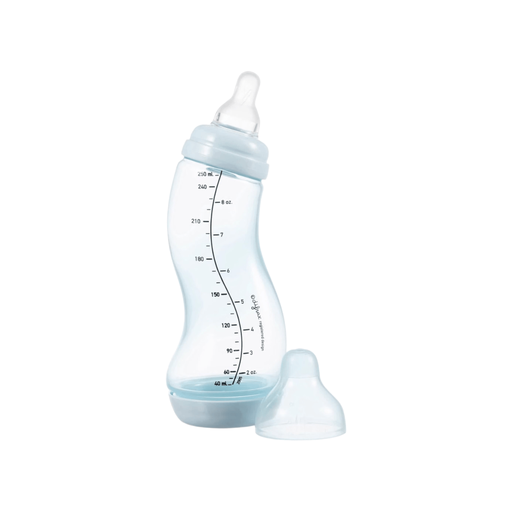
Why it suits this profile: This bottle is a good fit for families who prepare several feeds each day and value a design that comes apart easily.
The product information lists an S teat, a valve at the base and a removable bottom. This makes it easier to check the teat options and cleaning requirements in advance.
250 ml capacity, BPA-free polypropylene according to the product information, and parts that the manufacturer says are suitable for cleaning.
We’ve put together a complete, up-to-date list of products that meet these strict selection criteria and the applicable European safety requirements.
Use this quick checklist:
Hygiene matters for care products such as nappies and baby bottles. Store unused products somewhere clean and dry. Don’t use damaged packaging, a torn nappy or a worn teat. If skin irritation persists or you’re concerned about feeding, it’s best to seek medical advice.
It depends on your baby’s age, how often you change them and the size you choose. Newborns often need changing more frequently than older babies. If you’re not sure which model fits well, start with a smaller quantity. You can then consider a larger box or monthly pack.
With proper care, the bottle itself can last for a long time, but teats and valves wear out more quickly. Before every use, check for cracks, stickiness, distortion or a blocked opening. Always follow the manufacturer’s instructions for cleaning, sterilising and replacing parts.
It varies by model. Check the minimum weight, age guidance and requirements for head and neck control. For the Momcozy models mentioned, the stated range is around 3.18 to 19.96 kg. Keep your baby’s face visible, fasten all buckles and inspect the straps and seams before every use.
