
Vandaag of morgen in huis

Kwaliteit gegarandeerd

Welkomstaanbiedingen ontgrendelen: GRATIS bezorging | Tot 80% korting | Gratis 30 dagen JoyPlus-proefperiode
Download de app
When you’re buying baby products, it’s easy to be faced with long ingredient lists, age recommendations and lots of promises on the packaging. A product that looks handy may not be suitable in practice because it’s the wrong size, difficult to maintain or unclear about how long it can be used. This buying guide helps you compare baby care, baby food, baby bottles, dummies and nappies based on the things that matter every day.
“Suitable from birth” doesn’t automatically mean every component is suitable from day one. For example, a bottle may be suitable in terms of capacity, but the teat supplied with it may have a slower or faster flow. Always check:
According to the product description, the Difrax LOVI Mammafeel 250 ml bottle comes with a 3m+ Slow Flow teat. A separate 0m+ Mini teat is needed for use from birth.
Terms such as “anti-colic”, “hypoallergenic”, “extra soft” or “protects against irritation” sound clear, but their meaning varies from product to product. Check the details behind the claims:
A brand claim isn’t a general guarantee. For example, a product may have a particular customer rating based on a brand’s own research, but that doesn’t mean every family will have the same experience. Take extra care with ingredients in food and skincare products. If you’re unsure, speak to your health visitor, GP or another healthcare professional.
A large pack of nappies or baby wipes may seem like good value, but check the quantity and how you’ll use them. With wipes, the seal matters too: a pack that doesn’t close properly can dry out. For formula, check how long it can be kept after opening and follow the preparation instructions. A multipack of dummies can be practical, as it means you’ll have a spare to hand.
Baby products are often in prolonged contact with your baby’s skin or mouth. Check that the product information clearly states what the item is made from. Examples include:
A claim such as “natural” doesn’t, by itself, tell you whether a product is suitable. Some natural fragrances may not suit every baby either. Stop using a product if redness or irritation develops, and seek advice if symptoms persist.
A bottle, dummy or breast pump component should be easy to take apart. Check whether the parts:
With an anti-colic baby bottle, the valve needs extra attention. A blocked valve can affect how the design works. Always follow the manufacturer’s instructions.
The right size matters for nappies, dummies and clothing, as well as bottle teats. A nappy should fit snugly without leaving red marks. A dummy should be suitable for your baby’s age and checked before every use. Some manufacturers recommend replacing products at set intervals. For example, the Difrax dummies in this selection are recommended for regular replacement and daily checks for damage.
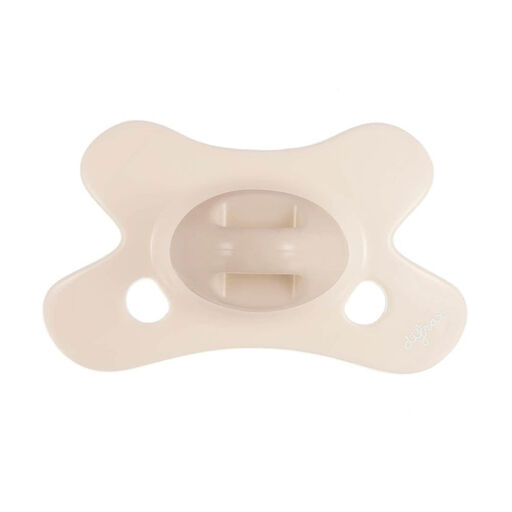
Why it suits this profile: This dummy is designed for babies aged 0 to 6 months and makes a simple addition to your baby essentials.
The age range is clearly stated. Clean the dummy regularly and replace it if it shows signs of wear or damage.
Described as flavour-free, fragrance-free and allergen-free; the shield and teat are designed for babies aged 0-6 months.

Why it suits this profile: This monthly pack is aimed at parents who want to combine stocking up with clear product specifications.
The pack states that Size 1 is for babies weighing 2 to 5 kg. Check your baby’s weight before buying a large supply.
180 nappies per box, 0% fragrance and lotion according to the product information, plus a wetness indicator.
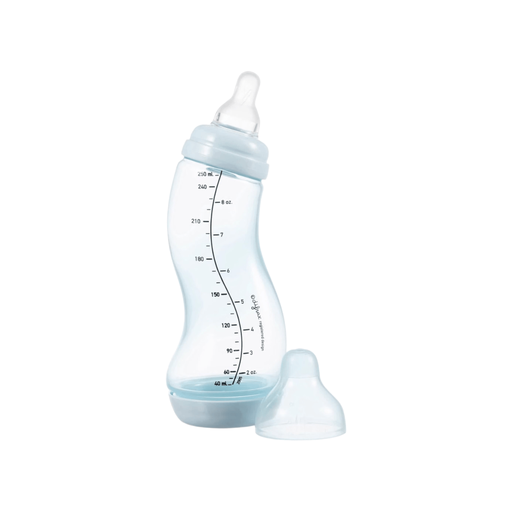
Why it suits this profile: A good choice for parents who give expressed milk or formula every day and want a bottle with detachable parts.
The bottle has an S-shape and a valve at the base. Check and clean the valve before use, following the instructions.
250 ml capacity, standard S teat and parts that, according to the product information, can go on the top rack of the dishwasher.
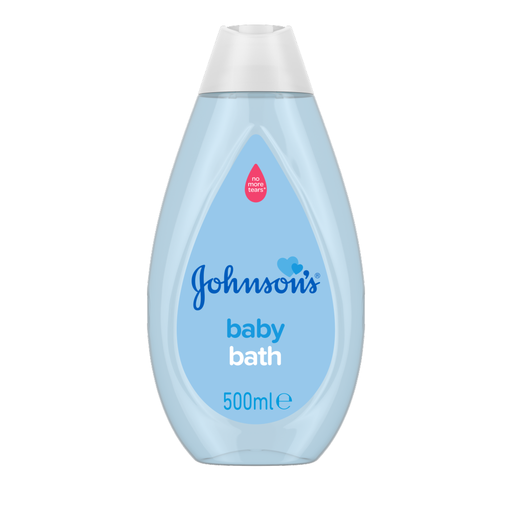
Why it suits this profile: A 500 ml bottle of bath product is practical for parents looking for a straightforward option for their baby’s daily bath.
Use only a small amount and stop if irritation occurs. Avoid contact with the eyes, and never leave a baby unattended in the bath.
According to the product information, the formula is pH-neutral, soap-free and free from colourants.
We’ve put together a full, up-to-date list of products that meet these strict selection criteria and the applicable European safety regulations.
A practical set of essentials includes nappies in the right size, baby wipes or reusable cloths, a few sleepsuits, a safe sleep space, a couple of dummies and, if needed, baby bottles. If you’re bottle-feeding, you’ll also need formula, a measuring cup or scoop, and a way to clean the bottles. Don’t buy large quantities straight away before you know which size and material work well for your baby.
It depends on the material, how often they’re used and how they’re cared for. Check bottles and teats before every use for cracks, misshaping, stickiness and discolouration. Replace any damaged parts straight away. Also follow the replacement advice on the packaging. A dummy used every day will wear out faster than a spare.
The cost depends mainly on the number of nappies you use, the type of wipes, whether you use formula and the pack size you choose. Compare the price per nappy, wipe or 100 grams of formula rather than looking only at the total price. Always follow the preparation instructions for formula and store it as directed on the packaging.
