
Vandaag of morgen in huis

Kwaliteit gegarandeerd

Welkomstaanbiedingen ontgrendelen: GRATIS bezorging | Tot 80% korting | Gratis 30 dagen JoyPlus-proefperiode
Download de app
Buying baby products seems easy, until you have to choose between dozens of nappies, bottles, baby carriers and care products. A low price can be tempting, but a product that doesn’t suit your baby’s age or weight, or your daily routine, could end up costing you more.
As a Joybuy Product Recommendation Officer, I focus on information that can be checked: dimensions, materials, age guidance, weight limits, care instructions and safety warnings. Marketing claims are only useful when you know what the product actually offers.
Terms such as “extra protection”, “ergonomic” or “anti-colic” don’t tell you much on their own. Always check which features they refer to, such as a specific size, an adjustable system, a valve or a particular material.
For an anti-colic baby bottle, for example, it’s important to know how the air valve works, which parts need cleaning and which teat is included. A bottle that’s suitable from birth won’t necessarily have the right flow rate for every baby.
A monthly box of nappies may seem like good value, but babies grow quickly. According to the product information, Pampers Size 6 is for children weighing around 13 kg and upwards. So check your baby’s weight and the fit before buying in bulk. Also look out for leaks around the legs, gaps at the back and red marks.
The same goes for baby clothes. A size 62 baby grow may fit babies from around 0 to 6 months, but the actual fit varies by brand and style.
A baby carrier should feel comfortable, but that’s not all that matters. Check the minimum and maximum weight, carrying positions, head and neck support, and how the straps are adjusted. An ergonomic baby carrier is only suitable when it supports your baby correctly and securely.
Check the buckles, straps and fabric before every use. Your baby’s face should remain visible and their airways must not be covered.
For nappies, weight and fit matter more than age alone. For feeding, check the volume and teat size. The Difrax LOVI Mammafeel 150 ml baby bottle comes with a 0m+ mini teat. According to the product description, the 250 ml version includes a 3m+ slow-flow teat. That difference can help you decide which bottle is better suited to your needs.
For formula such as Nutrilon 2, follow the preparation instructions on the packaging. This product is intended for babies from 6 months and is not a substitute for breast milk during the first 6 months. Use clean, boiled water cooled according to the instructions, and don’t store prepared formula for later use.
Baby care products often come into direct contact with your baby’s skin or mouth. So check:
According to the product information, the Difrax Natural S baby bottle is made from polypropylene and silicone parts. The bottle can be taken apart and cleaned. Cotton may feel comfortable for a baby carrier, while Air Mesh may be better suited to warm weather. Neither material is automatically right for every situation.
Read the warnings before you buy, not just after your order arrives. For care products such as baby soap, these may include guidance on external use and avoiding contact with the eyes. For a formula maker, heat, water quality, cleaning and supervision are all important.
A certification such as OEKO-TEX Standard 100 refers to the certification stated in the product information. It doesn’t guarantee that every child will find the product comfortable. Claims about dermatological testing or leak protection also come from the brand’s information. Always assess the specific details and instructions for use as well.
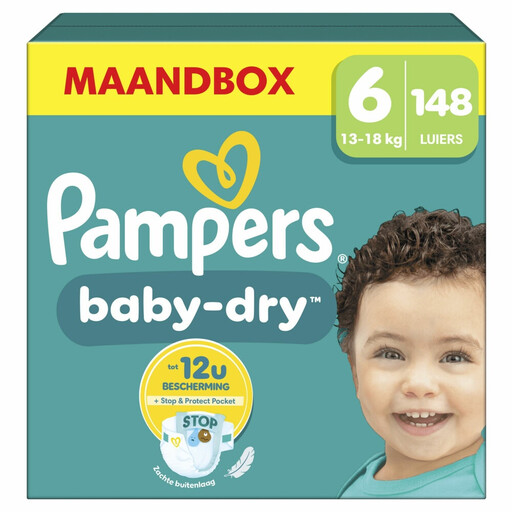
Why it suits this profile: A large pack is practical for families who already know the right size and want to order nappies less often.
The product information lists size 6, an elasticated waistband, protective leg cuffs and an absorbent layer. First, check that your child weighs 13 kg or more and that the fit is right.
148 disposable nappies per pack, 0% EU fragrance allergens according to the product information, and a Stop & Protect pocket at the back.
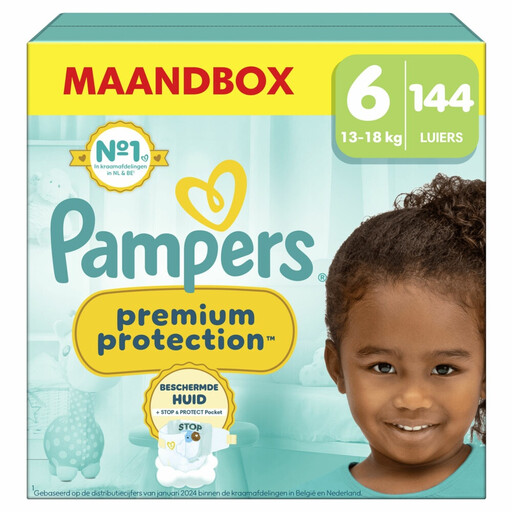
Why it suits this profile: A good choice for parents who pay close attention to material information, comfort features and having a generous everyday supply.
The packaging lists size 6 for babies weighing 13 kg and upwards, the materials used and that the nappies are disposable. This lets you compare options based on specific information rather than marketing claims alone.
144 nappies, an absorbent layer, a back pocket to help prevent leaks according to the product description, and OEKO-TEX Standard 100 certification as stated.
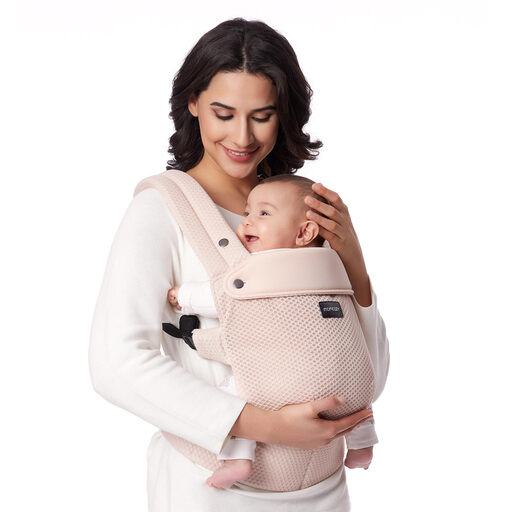
Why it suits this profile: A sensible choice for parents who regularly go for walks, travel or want to keep their hands free during everyday tasks.
The specifications list a weight range of around 3.18 to 19.96 kg, adjustable positions and front carrying. Don’t use the carrier outside these limits, and follow the instructions.
Air Mesh fabric, a machine-washable design, X-shaped back straps and a stated carrying capacity of up to around 20 kg.
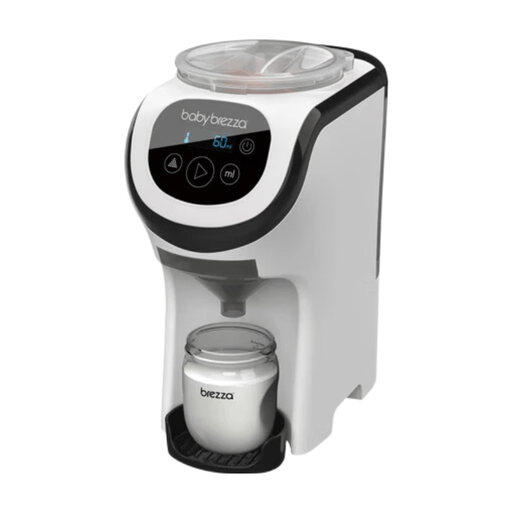
Why it suits this profile: Handy for households that prepare formula often and want to save space on the worktop.
The machine is designed for one purpose: preparing formula. The water tank needs to be cleaned daily, while the powder container and funnel must be kept dry and clean.
Compact size, servings from 60 to 300 ml, dispensing at around 37 °C according to the product information, and a removable, dishwasher-safe water tank.
We’ve put together a complete, up-to-date list of products that meet these strict selection criteria and the relevant European safety requirements.
Start with the things you’ll use every day: nappies, wipes, a few sets of baby clothes, a safe place to sleep and care products. Your feeding choices will depend on whether you breastfeed or use formula. Buy a small quantity of consumables to start with, so you can check the size, fit and how well your baby tolerates them.
How long a product lasts depends on what it is. Nappies and baby soap get used up, while a baby carrier can last longer as long as your baby’s weight and the safety requirements are within range. Check bottle teats and valves regularly for wear. Replace parts if they’re cracked, sticky, misshapen or otherwise damaged.
Nappy pants can be practical for an active baby who moves around a lot. They pull on like underwear and often have tear-open sides for easy removal. Regular nappies are usually easier to change when your baby is lying down. Compare the price per nappy and choose what suits your daily routine, rather than relying on the packaging alone.
