
Vandaag of morgen in huis

Kwaliteit gegarandeerd

Welkomstaanbiedingen ontgrendelen: GRATIS bezorging | Tot 80% korting | Gratis 30 dagen JoyPlus-proefperiode
Download de app
Buying baby products may seem straightforward, but attractive packaging or a promising product claim doesn’t always tell you enough. Parents often compare baby care, feeds, vitamins, sleep products and pregnancy products all at once. This can make it hard to work out what you really need and which specifications matter.
Look out for these three common pitfalls:
For baby oil, baby cream, baby shampoo and baby bath oil, the ingredients list matters more than a general marketing claim. If your child has sensitive skin, look out for perfume, essential oils and known allergens. Even if the manufacturer says a product has been dermatologically tested, choosing it is still a personal decision: stop using it if redness, itching or irritation occurs, and ask a healthcare professional for advice if needed.
A cream containing glycerine, for example, may be intended to care for the skin. An oil such as paraffinum liquidum mainly forms a layer on the skin. That doesn’t mean the two products work in the same way or are suitable for every occasion. Use baby care products according to the label and avoid contact with the eyes and mouth.
When giving babies vitamin D or vitamin K, follow the dosage on the label carefully. Davitamon’s product information refers to the Dutch Health Council’s advice on extra vitamin D for young children. According to the product description, the combo pack contains vitamin D oil and vitamin K oil, but also lists refined peanut oil. If there is a known allergy, it’s wise to speak to a doctor.
The same applies to baby feeds. According to the product information, Nutrilon 1 is intended from birth, while Nutrilon Duo Balance 2 is suitable from 6 months. For formula feeds, always check the preparation instructions, how long the product can be kept after opening, and allergens such as milk, soya and fish. According to the product information, breastfeeding remains the recommended way to feed your baby where possible.
When choosing a winter sleeping bag for your baby, don’t focus on colour alone. Check the length, fit around the neck and armholes, and the TOG rating. TOG indicates the thermal insulation of a textile. According to the product information, the Vowia sleeping bag has a 2.5 TOG rating and is intended for room temperatures of around 16 to 20 °C. Never use a sleeping bag with loose blankets if the safety instructions advise against it.
A stated standard, such as EN 16781, can help when assessing a baby sleeping bag. Also check that your baby’s head cannot fit through the neck opening and that they cannot climb out of the cot. A certification such as OEKO-TEX Standard 100 tells you that textiles have been tested for harmful substances, but it doesn’t replace choosing the right size or using the product safely.
The selection below is based on verifiable information in the product descriptions. Claims about performance or customer results are presented as information from the brand or retailer, not as guaranteed outcomes.
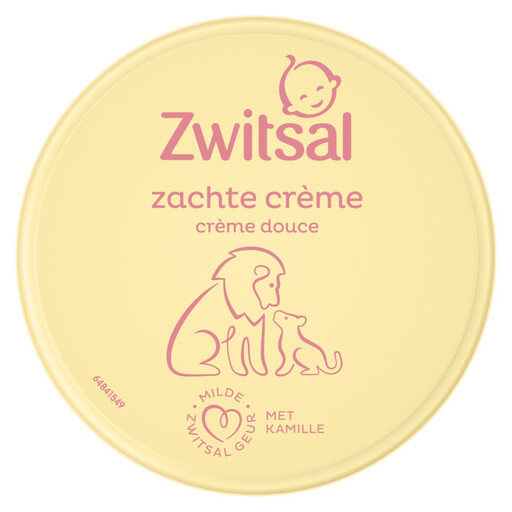
Why it suits this profile: A compact cream for everyday use after bath time or on dry patches, so you don’t have to buy several different care products straight away.
The product information states that it contains 200 ml, is for use on the face and body, and has a pH skin-neutral formula. Do check the ingredients and avoid contact with the eyes.
200 ml, with vitamin E according to the product description; suitable for the face and body.
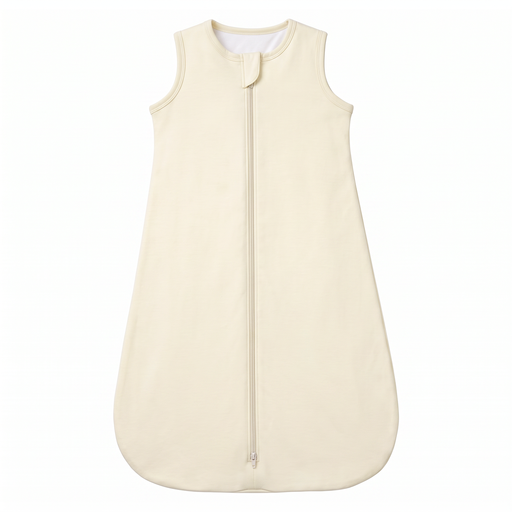
Why it suits this profile: For parents who focus on the material, sizing and clear sleep safety instructions.
The description gives size M for 66–76 cm and 7,3–10,9 kg, and includes warnings about the neck opening, loose blankets and climbing out of the cot.
2,5 TOG, a cotton outer layer and a two-way zip according to the product information; stated as suitable for 16–20 °C.
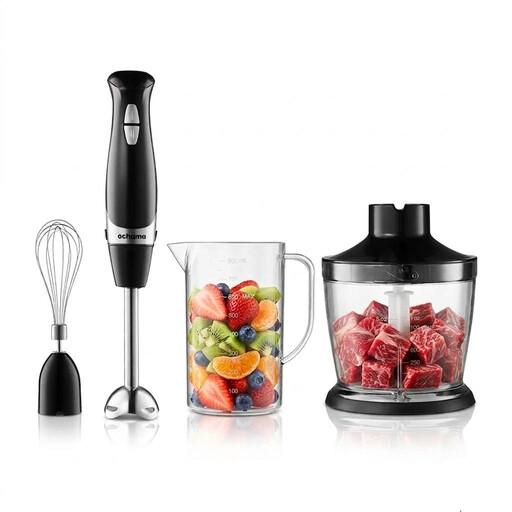
Why it suits this profile: For home cooks and parents who prepare soups, purées and baby food, and want one appliance for several kitchen tasks.
Instead of separate appliances, the set includes a hand blender, whisk, chopper and measuring beaker. Clean the removable parts according to the instructions, and take care when blending hot ingredients.
600 W, two speeds, a 500 ml chopper bowl and an 800 ml measuring beaker according to the product description.
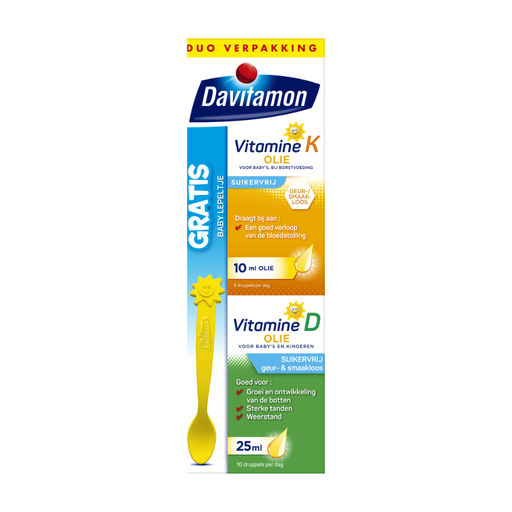
Why it suits this profile: A combo pack for parents who want to keep vitamin D and vitamin K together and easy to find.
The product information gives separate dosages for each oil. The product contains refined peanut oil, so check for allergies first and speak to a healthcare professional if you’re unsure.
25 ml of vitamin D oil, 10 ml of vitamin K oil and a baby spoon included, according to the product description.
We’ve put together a complete, up-to-date list of products that meet these strict selection criteria and the applicable European safety requirements.
Before you check out:
The essentials usually include nappies, wipes, clothes, a safe sleeping environment and a few gentle care products. Baby oil, baby cream and baby shampoo aren’t all essential from day one. Start with a small selection and add products when you see that your baby needs them.
Follow the use-by date and the period-after-opening symbol on the packaging. Close creams, lotions and oils tightly, store them in a dry place away from direct sunlight, and don’t use a product if its smell, colour or texture has noticeably changed.
It depends on the type of formula, the amount used each day and the brand. Don’t compare tins by price alone: also check the number of prepared millilitres, the dosage, how long the product can be kept after opening and any waste. For formula feeds, always follow the preparation instructions on the label.
