
Vandaag of morgen in huis

Kwaliteit gegarandeerd

Welkomstaanbiedingen ontgrendelen: GRATIS bezorging | Tot 80% korting | Gratis 30 dagen JoyPlus-proefperiode
Download de app
Buying baby products seems simple, until you have to choose from dozens of designs, sizes and marketing claims. For expectant parents and families with a newborn, a good purchase is all about suitability for your baby’s age, materials, maintenance and safe use.
These common pitfalls are worth watching out for:
Keep these points in mind to compare baby products more carefully and avoid purchases that end up unused in the cupboard after a short time.
Always check the age or weight guidance. A dummy for 0 to 6 months, for example, is a different size from one designed for older babies. A baby’s age often determines which teat and flow rate are suitable, too.
For nappies, weight matters more than age alone. Size 1 nappies are generally intended for newborns weighing around 2 to 5 kg, but the fit varies between brands and according to your baby’s build. Look out for gaps around the back and legs, red pressure marks and leaks.
For a baby carrier, check both the minimum and maximum weight limits. The Momcozy models in this selection specify a range of around 3,18 to 19,96 kg. This doesn’t automatically mean that every model is suitable from birth. Check that your baby can support their head independently, too, and follow the instructions.
Materials that are easy to clean are practical for baby care. Product information often describes silicone teats as odourless and tasteless. Some products also specify BPA-free materials or a certification such as EN1400+A2 for dummies.
A certification is useful information, but always check that it applies to the model you’ve chosen. For toys, the age guidance, battery compartment and small parts are important. A product for children aged 6 months and over isn’t automatically suitable for a newborn.
Choose baby products that you can take apart completely and clean thoroughly. Check the teat, screw ring and any valves on every baby bottle. Some dummy manufacturers recommend checking dummies daily and replacing them after a certain period of use, or as soon as the material is damaged.
Stop using a product if it has cracks, discolouration, a sticky surface, loose parts or damaged buckles. Always follow the packaging instructions for sterilising, washing and replacement. Claims about reducing colic, skin irritation or other effects are made by brands; according to the ACM, such claims should not be presented as guaranteed results.
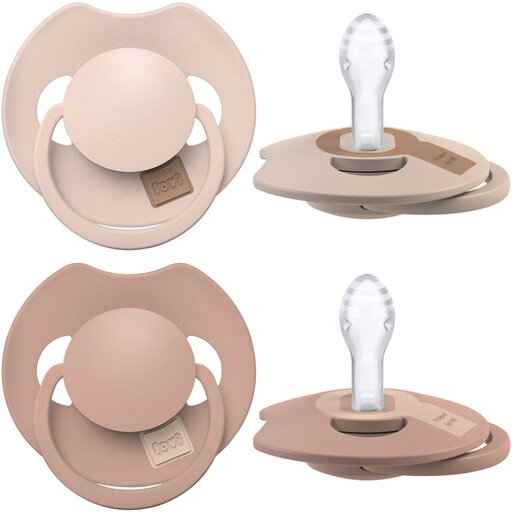
Why it suits this profile: A twin pack is handy for parents who want to keep a spare dummy in the changing bag or bedroom. This model is designed for babies aged 0 to 6 months.
The age range is clearly stated, and the set includes a sterilising box. That means you don’t need to buy several separate dummies and a separate storage box straight away.
According to the product information: 100% medical-grade silicone, BPA-free, a symmetrical teat and a lightweight shield with a nose cut-out.
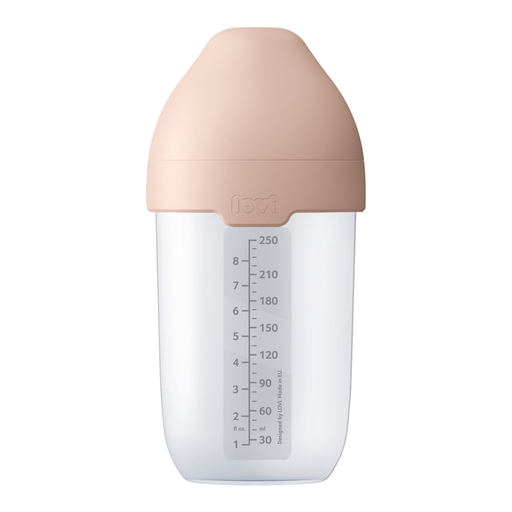
Why it suits this profile: This bottle is a good match for parents who want to combine breastfeeding and bottle-feeding, and pay close attention to teat size and materials.
The product information states that the 250 ml bottle comes with a teat for babies aged 3 months and over. You’ll need a separate 0m+ Mini teat for use from birth.
According to Difrax’s product description: a dynamic silicone teat, medical-grade silicone, and parts stated to be dishwasher-safe and suitable for sterilising.
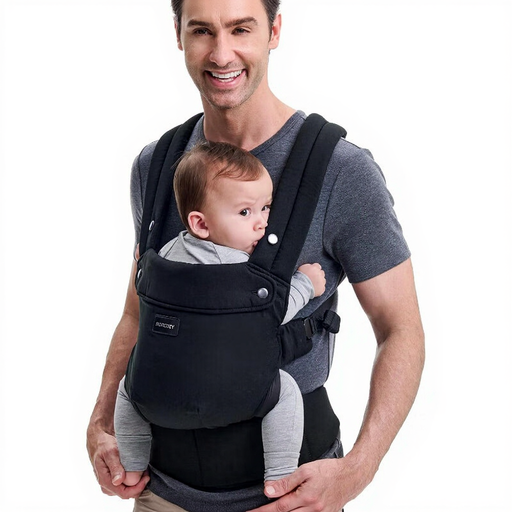
Why it suits this profile: A good option for parents who want to carry their baby hands-free regularly on walks or while getting things done, within the stated weight limits.
The product information specifies an adjustable fit, head support and a clear weight limit. Before each use, check the buckles, straps, airway and position.
According to the specifications: 100% cotton, machine washable, front carry position and a weight capacity of around 3,18 to 19,96 kg.

Why it suits this profile: A multipack is a good choice for families who already know the right size and want to keep enough nappies in stock for everyday use.
First, check that your baby is within the stated weight range of 2 to 5 kg. Don’t buy a large supply before you’ve tried the fit.
According to the product listing: 180 nappies, 0% perfume and lotion, a wetness indicator and an OEKO-TEX Standard 100 listing.
We’ve put together a complete, up-to-date list of products that meet these strict selection criteria and the applicable European safety regulations.
A practical starter kit includes size 1 nappies, clothes, a few muslin cloths, baby care products, a suitable baby bottle if you’re using formula or expressed breast milk, and perhaps a dummy. A baby carrier and baby toys are usually only relevant once you’ve checked the age guidance and safety information.
Check the dummy every day by gently stretching the teat. Replace it if it has cracks, feels sticky or shows other signs of damage. Some product guidance recommends replacing a dummy after around six weeks of daily use. Always follow the instructions from the brand you’ve chosen and check the condition of the material.
No. Start by looking at teat size, capacity, materials, cleaning and compatibility with your feeding method. A 150 ml bottle with a 0m+ teat may be more practical for a newborn than a larger bottle with a slower or faster flow that isn’t right for your baby.
