
Vandaag of morgen in huis

Kwaliteit gegarandeerd

Welkomstaanbiedingen ontgrendelen: GRATIS bezorging | Tot 80% korting | Gratis 30 dagen JoyPlus-proefperiode
Download de app
Baby products may seem easy to compare at first glance. But a low price can lead to extra costs if your baby quickly outgrows a size, parts are difficult to clean or a product isn’t suitable for your child’s age. When choosing baby food, a baby bottle, clothing or a pushchair, it pays to look beyond the colour, brand name or eye-catching marketing claim.
As a Joybuy Product Recommendation Officer, I select products based on verifiable information such as age guidance, materials, capacity, dimensions and care instructions. This helps you choose more confidently from the range of baby products for use at home and on the go.
“From birth” doesn’t mean that every part is suitable in every situation. With a baby bottle, for example, you should also check the teat size and recommended flow rate. For a baby cot or carrycot, dimensions, how it attaches and the maximum period of use are important.
Guidance also varies between baby food products. A fruit purée for babies from 4 months isn’t the same as food recommended from 6 months. Always check the label and preparation instructions.
Terms such as anti-colic, kind to skin or extra comfortable are no substitute for product specifications. According to Difrax’s product description, the S-Baby Bottle has a valve at the base and an S-shape. The description says this may reduce the risk of babies swallowing air and experiencing discomfort. This is the manufacturer’s claim, not a guarantee for every child.
So look for clear, practical information: materials, capacity, parts, cleaning instructions and safety warnings.
A multipack may seem like good value, but baby food and baby wipes sometimes have a limited shelf life once opened. Olvarit, for example, advises that opened portions should be sealed, kept in the fridge and used within 48 hours. With baby wipes, the packaging seal is particularly important: a pack that isn’t closed properly can dry out.
So compare more than just the price per pack. Consider the quantity, how much you use each day and the storage instructions too.
When choosing clothes, check your baby’s height rather than relying on age alone. According to the product information, the Chicco set in size 068 is designed for a height of 68 cm and an indicated age range of up to around 9 months. The other Chicco set is size 062 and designed for a height of 62 cm. Babies don’t all grow at the same rate, so the size chart should be your guide.
For a pushchair or baby cot, check:
According to the product details, the Activ3+ pushchair is suitable from birth up to a maximum weight of 22 kg. The matching Activ3+ carrycot is designed for babies aged 0 to 6 months. These are two different periods of use.
For baby clothes, check the cotton and elastane content, as well as the care label. A 100% cotton set may feel different and shrink differently from a blend of 95% cotton and 5% elastane. Always follow the care label.
For a baby bottle, check whether all the parts can be taken apart, what cleaning temperatures are allowed and whether sterilising is necessary. The Difrax S-Baby Bottle has several parts, including a bottle, teat, valve and base ring. According to the product information, the parts can be cleaned with warm water and mild washing-up liquid; some parts can go on the top rack of the dishwasher.
For baby food, the ingredients and allergens matter more than the front of the pack. According to the product information, Olvarit apple contains no added sugar or preservatives. The cauliflower purée is listed as containing 100% cauliflower and none of the 14 major EU allergens.
The banana, apple and yoghurt variety contains milk and is intended for babies from 6 months. Check the current packaging before giving a product to your baby, as packaging and ingredients can change. Milk powder for children aged 2 and over, such as Two Cows, is ordinary milk powder. According to the product information, it isn’t suitable as food for babies or as a replacement for infant formula for children under 2.
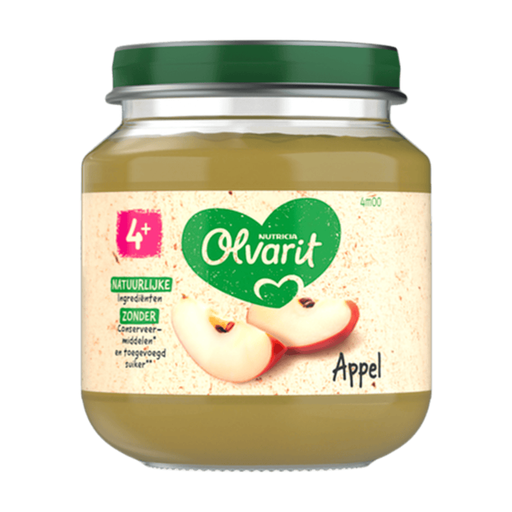
Why it suits this profile: A single 125 g pack is handy if you’d like to see whether your baby takes to the taste and texture first.
The age guidance, pack size and storage instructions are clearly listed in the product information. According to the description, until 6 months this is intended as complementary food only.
125 g, apple as the only fruit listed, and no added sugar or preservatives according to the product information.
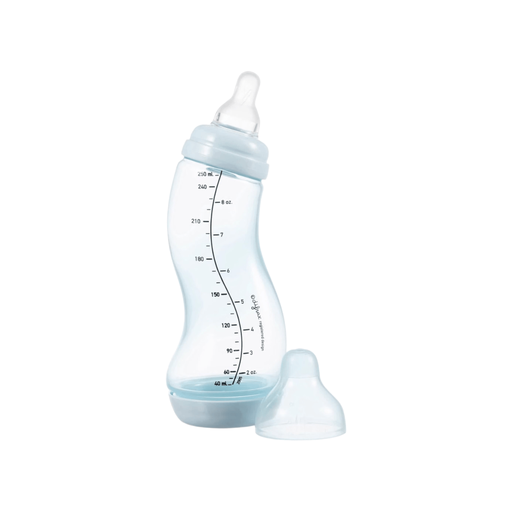
Why it suits this profile: A good choice for parents who pay attention to the parts and cleaning, and want a bottle that can also be used for combination feeding.
The bottle holds 250 ml and has an S teat and removable base. This lets you check in advance whether the parts fit your cleaning routine.
BPA-free polypropylene bottle, silicone teat and valve; suitable from birth according to the product information.
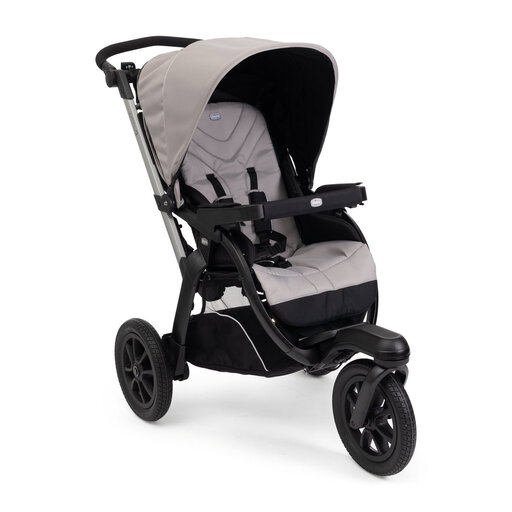
Why it suits this profile: An option for families who go walking often and want a pushchair with suspension, larger wheels and a compact folding mechanism.
The product details list a maximum weight of 22 kg, a fully flat backrest, a five-point harness and a parking brake. Always check that the lock is engaged before use.
XL puncture-proof rubber wheels, adjustable suspension, UV50+ sun canopy and a folded size of 64 × 38 × 95 cm.
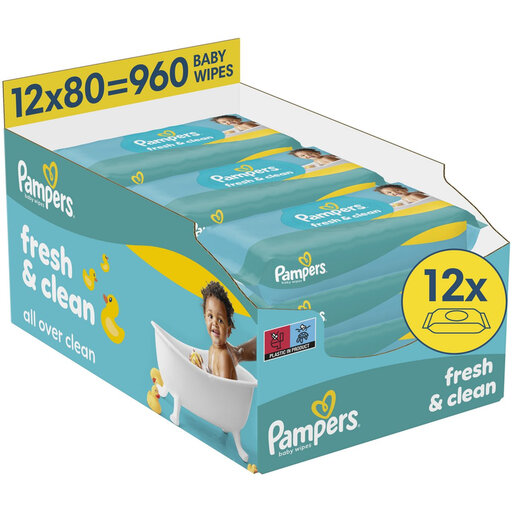
Why it suits this profile: A bulk pack for families who use baby wipes every day for nappy changes, when out and about and on trips.
The pack contains 12 packs of 80 wipes and is labelled 0% alcohol. Seal each pack properly after use to help prevent the wipes from drying out.
960 wipes in total; according to the product information, suitable from birth for your baby’s bottom, hands and face.
We’ve put together a full, up-to-date list of products that meet these strict selection criteria and current European safety regulations.
For the early months, a few practical essentials are usually enough: a few sets of baby clothes, a safe place to sleep, your chosen feeding products, a baby bottle if needed, nappies and baby wipes. A dummy may be part of your preparations, but make sure it’s the right size, check the material regularly and follow the replacement guidance. You can buy extra accessories later, once you know what works for your daily routine.
It depends on the part and how often it’s used. Before each use, check teats and dummies for cracks, stickiness or other damage. According to the product information, Difrax recommends replacing dummies every six weeks and checking them daily. Replace parts of a baby bottle as soon as you see signs of wear, or when the manufacturer advises you to.
The main difference is the ingredients and flavour. Apple purée is mostly fruit, while a vegetable purée for babies may contain, for example, 100% cauliflower. Check the age guidance, texture, allergens and storage instructions. If you’re unsure about introducing food or dairy products, ask your health visitor or another healthcare professional.
