
Same-day & Next-day Delivery

Quality Guaranteed

Unlock Your Welcome Offers: FREE Delivery | Up to 80% OFF | Free 30-day JoyPlus trial
Download the APP
Making the right choice from baby porridge and breakfast cereals might seem straightforward, but packaging often uses terms like “natural”, “high in fibre” or “no added sugar” without showing the full picture. Especially with baby food, it’s important to compare age suitability, ingredients and storage advice side by side.
A product with no added sugar can still contain naturally occurring sugars. This applies, for example, to fruit purées for babies. So always check both the ingredients list and the nutritional information table. With a fruit product, the sugars often come from apple, banana or other fruit.
The age indication is an important starting point, but it’s not the only factor. Also look at the texture, allergens and preparation method. A porridge labelled from 6 months isn’t automatically suitable for every child from exactly that age. Follow the instructions on the packaging and discuss any doubts about food or introducing new ingredients with your health visitor or a doctor.
A value pack isn’t always better value if the contents have a limited shelf life after opening. According to the product information, Olvarit porridge can be stored for a maximum of four weeks after opening. A fruit purée pouch usually needs to be refrigerated after opening and used within one day. So match the pack size to your daily usage.
For baby breakfast from 6 months, products with a clear 6+ label are relevant. The Olvarit 6+M Three Grains Cereal contains 99.9% grains according to the product description, including wheat, oats and rye. The product contains gluten and lists possible allergens such as soya, milk and mustard. Always read the current packaging, as ingredients and warnings can change.
For a breakfast porridge from 8 months, the Olvarit Breakfast Porridge fine grains 8+ months is an example with a finer grain mix. The product information mentions wheat, rye, oats, spelt, millet, rice and buckwheat, among others. A portion is stated as 25 grams. The packaging also gives preparation instructions using breast milk or follow-on formula.
From 12 months, there are wider options, such as breakfast porridge from 12 months, drinkable porridge and fruit pouches. Check that the texture suits your child’s development and don’t use a pouch as a permanent replacement for varied meals.
Pay attention to the order of ingredients: what’s listed first is usually present in the largest amount. Also check specifically for:
The term baby food with no added sugar doesn’t mean the product contains no carbohydrates or sugars. The Organix Squeezable Fruits Oat, Apricot & Banana 12m+ contains only naturally occurring sugars according to the product information, but does contain oats and gluten. After opening, the pouch must be stored in the fridge and used within one day.
For adult breakfasts, fibre content, portion size and preparation time can carry more weight. Brinta Oatmeal consists of 100% oat flakes according to the product information, contains 9.7 grams of fibre per 100 grams and can be prepared in a few minutes according to the packaging. Brinta Whole Wheat Cereal Breakfast is made from wholemeal wheat and contains 10 grams of dietary fibre per 100 grams according to the stated nutritional values.
Instant porridge and quick breakfast cereals are practical for busy mornings, but check whether sugar, salt or creamer has been added. The MAMA Instant Porridge Seafood Cup, for example, is designed for quick preparation with boiling water, but contains salt, sugar, flavour enhancers, prawns, fish, milk, soya, wheat, barley and celery. This is not a product for babies; the ingredients are more suited to adults looking for a savoury quick meal.
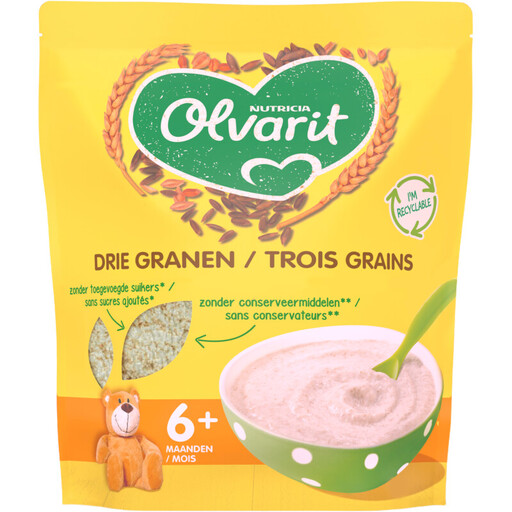
Why this suits the profile: A straightforward grain base for parents looking for a product with a clear age label.
The product information states no added sugars and lists the gluten present and possible allergens.
Suitable from 6 months according to the product label; grain mix with wheat, oats and rye.
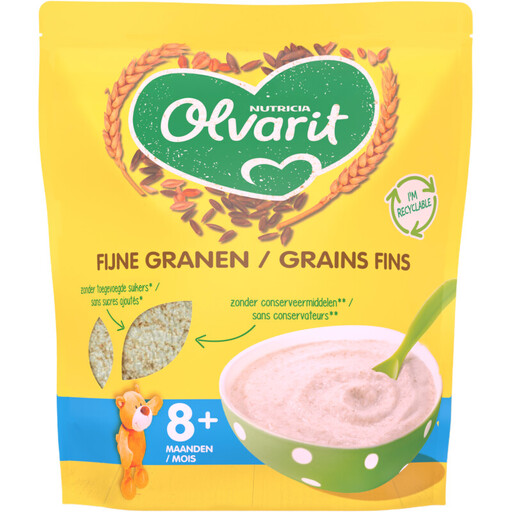
Why this suits the profile: Ideal for parents who want to check ingredients, portion size and nutritional values in advance.
The packaging states the 25-gram portion, preparation method, age suitability from 8 months and allergens.
10 grams of fibre per 100 grams according to the product information; contains a broad mix of grains.
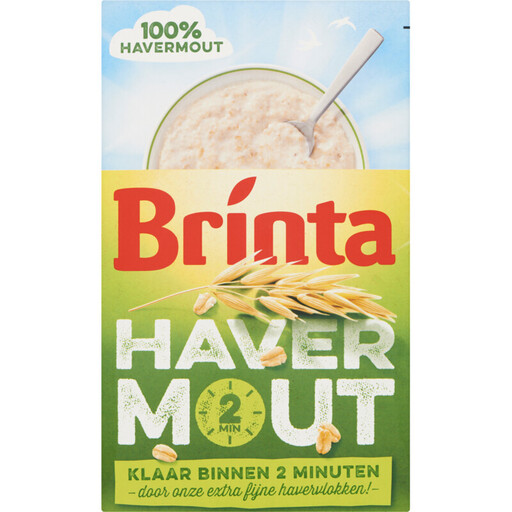
Why this suits the profile: Handy for adults and older people who want a quick, warm and fibre-rich breakfast.
The ingredients list states 100% oat flakes, so the product’s base is immediately verifiable.
450-gram pack; according to the product information, 9.7 grams of fibre per 100 grams and 0% added flavourings and colourings.
We’ve put together a full, up-to-date list of products that fully meet these strict selection criteria and comply with current European safety regulations.
Choose a product that clearly states it’s suitable from 6 months, such as a 6+ variant. Also check for gluten, milk, soya and other allergens. Introduce new ingredients according to your health visitor’s advice and follow the preparation instructions on the packaging.
This varies by product. Some dry porridge products recommend use within four weeks of opening. An opened fruit pouch often needs to be refrigerated and used within one day, according to the product information. Always check the label and seal the packaging airtight.
Brinta breakfast cereals are general breakfast products and not automatically baby food. Brinta Oatmeal and Brinta Whole Wheat Cereal contain gluten and are intended as breakfast for a wider user group. For babies, a product with an appropriate age indication and clear preparation instructions is more sensible.
