
Vandaag of morgen in huis

Kwaliteit gegarandeerd

Welkomstaanbiedingen ontgrendelen: GRATIS bezorging | Tot 80% korting | Gratis 30 dagen JoyPlus-proefperiode
Download de app
As an expectant or new parent, you have a lot to think about. From decorating the nursery to putting together the perfect baby care essentials list, every choice feels significant. One topic that might not be top of mind initially, but is crucial from day one, is your baby's oral care. A good start lays the foundation for a lifetime of healthy teeth.
But where do you start? Which pacifier is suitable, and when should you introduce a baby toothbrush? The options can be overwhelming. That's why we've created this guide. Here, you'll find practical information and product recommendations to help you make an informed choice for your baby's oral care.
Before we dive into specific products, here are a few key points to consider when buying a pacifier or selecting that first toothbrush.
Safety and Material: Opt for BPA-Free Your baby's safety is paramount. Therefore, ensure that products intended for oral use, such as pacifiers and toothbrushes, are guaranteed to be BPA-free. Bisphenol A (BPA) is a chemical used in some plastics. Although its use in baby products is strictly regulated in the EU, an explicit "BPA-free" label provides extra peace of mind.
Age and Developmental Stage A newborn's mouth is very different from that of a six-month-old baby or a one-year-old toddler. Manufacturers always specify a recommended age range. A newborn pacifier is smaller and lighter, while a pacifier for an older baby is more robust. For example, a Jordan toothbrush 0-2 years is specially designed with ultra-soft bristles and a safe grip for the littlest ones.
Shape and Functionality Pacifiers come in two main shapes: symmetrical (flat and teardrop-shaped, often accepted more quickly) and orthodontic (with a convex top and a flat bottom, shaped to fit the palate). Additionally, many products serve a dual purpose. Consider a toothbrush with a handle that also functions as a teether to soothe the pain of emerging teeth.
Based on product features and functionality, we've highlighted some of the most popular choices for you.
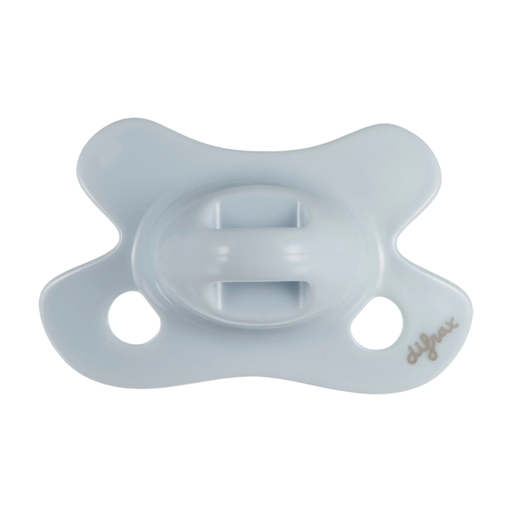
Why It Stands Out This Difrax pacifier is specially developed for the youngest babies, including preemies. Its symmetrical, natural shape is often quickly recognised and accepted by babies. The butterfly-shaped shield is a signature detail: it leaves the nose clear, and its air holes help prevent skin irritation.
Pros
Who Is It For? For parents of newborns seeking a first pacifier that offers comfort and is designed with the specific needs of a newborn in mind. It also makes for a practical and thoughtful newborn gift.
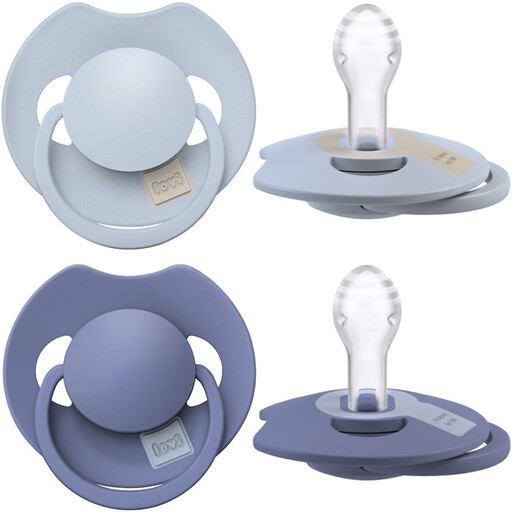
Why It Stands Out As your baby gets a little older, their needs change. The Lovi pacifier from Difrax has a dynamic teat that, according to the manufacturer, follows the baby's natural sucking rhythm. It is constructed from silicone layers of varying thickness, which mimics the stretching and contracting ability of a nipple. This design is intended to support the sucking reflex.
Pros
Who Is It For? Ideal for babies aged 6 to 18 months, especially when supporting the natural sucking reflex and ensuring easy acceptance alongside breastfeeding are priorities.
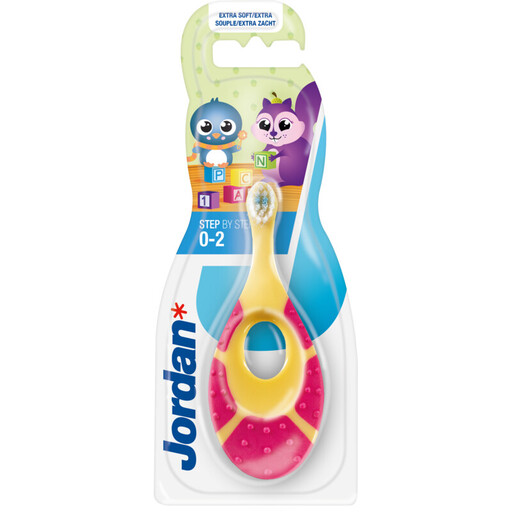
Why It Stands Out The Jordan toothbrush 0-2 years is a smart first step in the brushing routine. As soon as the first tooth appears, it's time to start brushing. This model features a very small brush head with ultra-soft bristles, which are gentle on the gums. The short neck prevents the brush from being inserted too deep into the mouth. The unique handle also functions as a teether, providing relief for sore gums.
Pros
Who Is It For? For all parents ready to start brushing their child's teeth (ages 0-2). Its dual function as a teether makes it an especially practical tool during the teething phase.
Good oral care is an important part of your baby essentials. But as you prepare for your little one's arrival, you're naturally thinking about other things too, like safety on the go. The right gear grows with your child, from the first pacifier to the first car seat.
For instance, are you also looking for a safe and practical solution for the car? Then check out our selection of portable car seats for toddlers for when your child gets a bit bigger.
1. When should I start brushing my baby's teeth? The advice is to start brushing as soon as the very first tooth emerges. Use a special baby toothbrush with soft bristles and a tiny amount of toddler toothpaste (the size of a grain of rice). This helps your child get used to the routine right away.
2. How often should I replace a pacifier? For hygiene and safety, it's important to check and replace a pacifier regularly. Difrax recommends replacing a pacifier every six weeks. Check the teat daily for any tears or damage by pulling on it firmly. Replace the pacifier immediately if you notice any signs of wear and tear.
3. Are pacifiers bad for teeth? This is a common concern. Modern pacifiers, like the recommended models from Difrax, are designed to minimise pressure on the jaw and teeth. The Lovi pacifier, for example, is designed by the manufacturer to not interfere with the development of speech and bite. However, it is important to phase out pacifier use as your child gets older, usually around 2 to 3 years of age.
