
Vandaag of morgen in huis

Kwaliteit gegarandeerd

Welkomstaanbiedingen ontgrendelen: GRATIS bezorging | Tot 80% korting | Gratis 30 dagen JoyPlus-proefperiode
Download de app
A baby night light may seem like a simple purchase, but small differences can have a big impact on everyday use. A light that’s too bright, runs out of charge quickly or only works with an awkward switch can soon end up being replaced. So when choosing a night light for your baby, it’s not just about a cute design: brightness, controls, battery life and placement matter most.
Animal designs and soft colours are a great fit for a nursery, but check how the light works too. A switch on the underside is less convenient during a night feed. Touch controls or a remote control can be more helpful when you need light quickly in the dark.
A quoted run time often applies only at the lowest brightness setting or with a specific mode selected. A rechargeable night light advertised as lasting “up to 100 hours”, for example, may run for considerably less time at maximum brightness. So check the combination of battery capacity, brightness and charging time.
Bright white light can illuminate the room unnecessarily during a nappy change. A warm white, dimmable setting is usually more practical. Also, place the light on a stable surface and keep cables out of reach. A light that’s suitable for a child’s room isn’t automatically safe to place within reach in a cot.
Several light settings are useful for a nursery night light. A low, warm setting can help you illuminate only the area you need during a night feed or nappy change. A dimmable night light with warm white light around 2600–3200K is practical in the evening. Cooler light can be useful in a hallway or bathroom, but it may not be the first choice beside a sleeping child.
Look for the difference between true dimming and a few fixed settings. A product with three brightness levels offers less precise control than a light with stepless dimming. Either option can work well; it depends on how precisely you want to adjust the light.
A night light with a timer switches off automatically after a set period, so it doesn’t stay on all night. A 30- or 60-minute timer is handy while your baby settles or as part of a short night-time routine.
A night light with a motion sensor works differently: it switches on when it detects movement, usually only in a dark room. Check the detection range and light threshold. A sensor can be useful in a hallway or changing area, but it may also switch on when someone walks past.
A rechargeable night light means you won’t have to replace batteries regularly, and it’s handy for travelling. Check the charging time, connection and instructions for the USB adapter. Some models only work wirelessly once charged; others can stay connected while charging.
Descriptions for soft models sometimes mention food-grade silicone, BPA-free materials or a water-resistant casing. Treat these as product specifications, not as a guarantee that a light is suitable for chewing or submerging in water. Always follow the safety warnings and keep electronic products out of reach of young children.
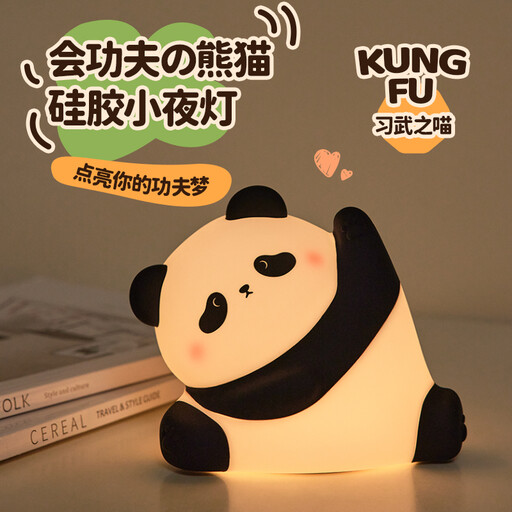
Why it suits this profile: This compact model combines simple touch controls with three light settings. It’s a good choice for parents looking for a basic nursery light without an app or complicated settings.
The product information lists three brightness levels and a rechargeable battery. Be sure to check the current battery life and charge level before bedtime.
1200mAh battery, three dimming levels, touch controls and a soft silicone casing, according to the product description.
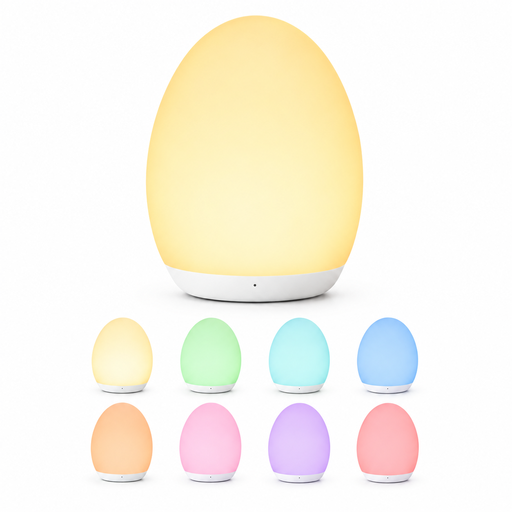
Why it suits this profile: Parents who value flexible controls, portability and a memory function will appreciate the range of settings, all without needing an app or Wi-Fi.
The product specifications distinguish between up to seven hours at high brightness and up to 100 hours on the lowest setting. This makes the battery-life claim easier to assess.
2000mAh battery, dimmable warm white light, eight colour modes, touch controls and a one-hour timer.
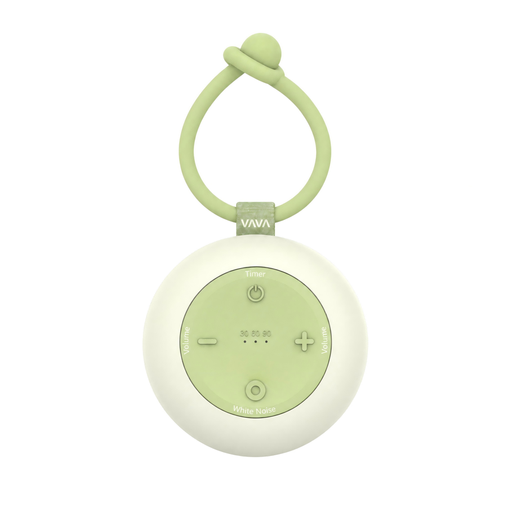
Why it suits this profile: This white noise machine with a night light is ideal for families who want a combination of sound and light on the go or in multiple rooms.
According to the product information, the light and sound work independently. The timer can be set to 30, 60 or 90 minutes, so neither runs indefinitely.
18 sound options, five light settings, USB-C charging, a stated battery life of up to 40 hours under a specific test setting, and a child lock.
We’ve put together a complete, up-to-date list of products that meet these strict selection criteria and the applicable European safety requirements.
A soft night light can be handy for night feeds and nappy changes. Choose a low brightness setting, don’t point the light directly at your baby’s face, and keep the device out of reach. A light can support a consistent routine, but it won’t determine how a child sleeps.
It depends on the battery, brightness and mode of use. A low light setting uses less energy than maximum brightness or a combination of light and sound. So check not only the maximum run time, but also the stated charging time and the conditions under which the manufacturer measured these figures.
An LED night light usually uses very little power. However, a mains-powered model will continue to use energy for as long as it’s switched on. A timer, motion sensor or automatic light sensor can help prevent it from staying on unnecessarily. With a rechargeable model, energy use depends on how often you recharge the battery.
