
Vandaag of morgen in huis

Kwaliteit gegarandeerd

Welkomstaanbiedingen ontgrendelen: GRATIS bezorging | Tot 80% korting | Gratis 30 dagen JoyPlus-proefperiode
Download de app
Choosing the right baby nappies seems simple, until you have to decide between newborn nappies, standard nappies, nappy pants, a monthly box and night-time options. Marketing terms such as “extra dry”, “hypoallergenic” and “leakproof nappies” sound appealing, but they don’t always tell the whole story.
So focus on sizing, fit, absorbent core and product information. This will help you avoid buying a large supply that doesn’t fit properly or causes irritation.
The age on the pack is just a guide. Your baby’s weight and build are more important. A newborn nappy for 2 to 5 kg won’t automatically fit every newborn well. Also check that the nappy isn’t too tight around the legs and that no gaps form at the back.
A monthly box of nappies can be practical and good value, but babies sometimes grow into the next size quickly. When trying a new brand, buy a smaller pack first. Look out for red marks, leaks and how easily the fastenings can be adjusted.
Terms such as “12-hour protection” or “100% leakproof” are claims made by the manufacturer. According to Pampers’ product information, certain Baby-Dry options are designed to provide up to 12 hours of protection. That doesn’t mean every baby can wear the same nappy for that long in all circumstances. Regular changes are still important, especially for newborns or babies with sensitive skin.
Always compare the weight range on the pack with your baby’s weight. Also look for:
For active toddlers, nappy pants can be more convenient. They pull on like underwear, and the sides can be torn open when changing your child. They’re especially practical when your child is on the move or starting potty training.
An absorbent nappy typically contains cellulose and superabsorbent polymers, often referred to as SAP. These materials absorb moisture and trap it in the core. Don’t just look for the marketing term “superabsorbent”; also check:
A night-time option may have a larger absorbent core and extra elasticated cuffs. Pampers says its Baby Dry Night Pants have an absorbent core designed for night-time use. Use the nappy as directed on the pack and change your baby when it is soiled or clearly wet.
When choosing nappies for sensitive skin, it’s a good idea to read the full product information. Check for details such as fragrance, lotion, latex and certifications. “Hypoallergenic nappies” doesn’t mean a reaction is impossible. Stop using them if redness or irritation persists, and seek advice from a healthcare professional if needed.
Pampers Harmonie is described as hypoallergenic, with 0% fragrance and 0% lotion. This option also has a wetness indicator and a Stop & Protect pocket at the back. These are product specifications you can check; you’ll need to see how well the nappies suit your baby in practice.
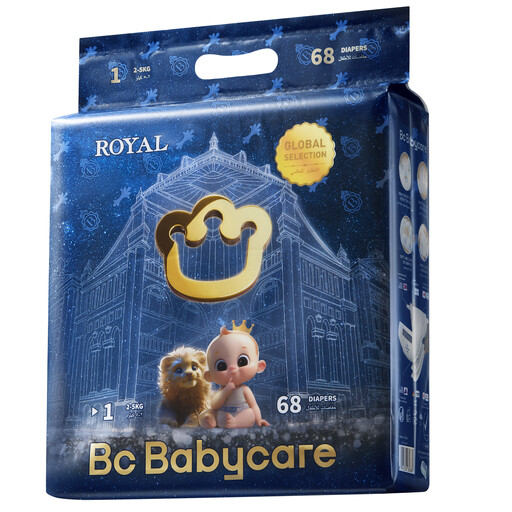
Why it suits this profile: This pack is designed for newborns weighing 2 to 5 kg and contains plenty of nappies to let you try a new brand without rushing.
The size is based on a weight range of 2–5 kg, rather than age alone. The pack also lists a wetness indicator and adjustable fastenings.
68 nappies per pack, an absorbent core with SAP and a breathable outer layer, according to the product information.

Why it suits this profile: This option is aimed at parents who pay extra attention to product details for a newborn’s delicate skin.
The product description states that it contains 0% fragrance and lotion, has hypoallergenic properties and has been dermatologically tested. These are claims made by the brand, not a guarantee that it will suit every baby’s skin.
Size 1 for 2–5 kg, a wetness indicator, Stop & Protect pocket and cellulose from FSC-certified sources, according to the product information.
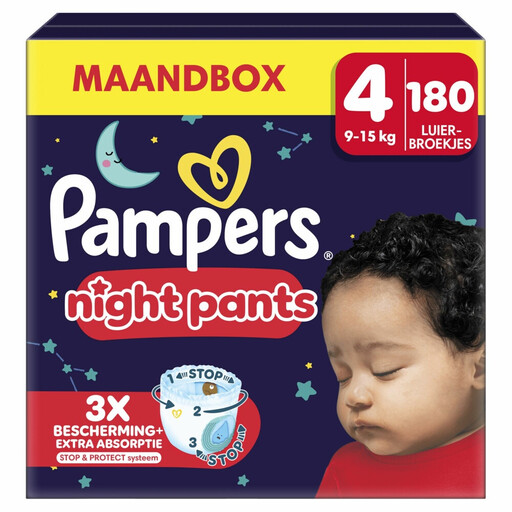
Why it suits this profile: These night-time nappy pants are designed for active children who move around a lot at night and already benefit from wearing nappy pants during the day.
According to Pampers’ product information, the pants have a 360° waistband, wider protective cuffs and a pocket at the back.
Easy to pull on and off, with tear-open sides and a core that the manufacturer says absorbs moisture quickly.
Alongside nappies, a few baby-care products can make everyday nappy changes and feeding easier:
We’ve put together a full, up-to-date list of products that meet these strict selection criteria and the applicable European safety regulations.
It depends on your baby’s age, feeding and how much they wee. Check the nappy regularly and change it straight away after a poo. Newborns may need changing more often to keep their skin clean and dry. Always follow the instructions on the pack.
Move up a size if the nappy often leaks, is difficult to fasten or leaves clear marks. If there’s a lot of room around the back and legs, the nappy may be too big. Use your baby’s weight as the main guide, then check the fit.
Not always. Compare the price per nappy, not just the price of the pack. A larger monthly box may reduce the cost per nappy, but it’s only good value if the size fits throughout the time you use it. Also consider how often you’ll need to change your baby and the likelihood of leaks.
