
Vandaag of morgen in huis

Kwaliteit gegarandeerd

Welkomstaanbiedingen ontgrendelen: GRATIS bezorging | Tot 80% korting | Gratis 30 dagen JoyPlus-proefperiode
Download de app
Finding the right nappy seems simple, until you have to choose between dozens of brands, sizes and pack options. Parents often focus on the price per pack, but fit, weight and materials are just as important. A cheap monthly box isn’t a bargain if the nappy doesn’t fit properly or goes unused because your baby quickly moves up a size.
In this guide from the Joybuy Product Recommendation Officer, you’ll find out what to look for when choosing baby nappies and nappy pants, which marketing claims to treat with caution, and what type of product suits different situations.
A monthly box of nappies can seem appealing because it contains so many. However, daily usage varies depending on your baby’s age, feeding pattern and changing routine. Newborns may need changing relatively often. So, don’t buy several large boxes straight away in a size you haven’t tried before.
Instead, compare:
Age is only a rough guide. Babies of the same age can have very different builds, so always check the weight range on the pack. Baby nappies size 1 are generally designed for smaller babies, while sizes 4, 5 and 6 are for bigger babies and toddlers. Some products go up to baby nappies size 7 or size 8.
A nappy that’s too small can feel tight around the tummy and legs. One that’s too big can leave gaps, particularly around the back and leg openings.
Words such as ‘leak-proof’, ‘super absorbent’ and ‘hypoallergenic’ sound clear-cut, but what they mean in practice varies from product to product. According to the product description, for example, Pampers Baby-Dry claims to offer up to 12 hours of protection and has a Stop & Protect system. This is information provided by the brand; it doesn’t guarantee that every baby will stay dry for 12 hours in all circumstances.
Instead, look for specific features you can check, such as:
The weight range is the first thing to check. For a newborn, you could look at baby nappies size 1 or size 2. According to the product information, BC Babycare Royal Nappies Size 1 are suitable for 2 to 5 kg. Pampers Harmonie size 1 is also listed for 2 to 5 kg.
After putting the nappy on, check that:
For active babies, baby nappy pants can be more practical. You pull them on like underwear, making them particularly handy when your child wriggles, crawls or stands a lot.
An absorbent nappy usually contains cellulose, superabsorbent polymer, or both. The exact amount and construction vary between products. A thicker nappy isn’t automatically a better choice: a good fit also helps distribute moisture.
Pampers Baby-Dry lists a superabsorbent core, protective barriers around the legs and a pocket at the back. Baby-Dry Pants also feature a 360° flexible waistband. According to the product description, it’s designed to move with your baby.
For overnight use, absorbent nappies with a snug fit around the waist and back are often a sensible choice. Do change the nappy according to the instructions on the pack, rather than waiting for the wetness indicator alone.
When choosing nappies for sensitive baby skin, many parents look for information about perfume, lotion and dermatological testing. According to the product information, Pampers Harmonie contains 0% perfume and lotion, is labelled hypoallergenic and has a wetness indicator. Pampers Premium Protection is described as dermatologically tested and free from EU-listed fragrance allergens.
These claims don’t mean a product will suit every child. If redness or irritation persists, stop using the product and seek advice from a healthcare professional if needed. ‘Hypoallergenic’ isn’t an absolute guarantee that a reaction won’t occur.
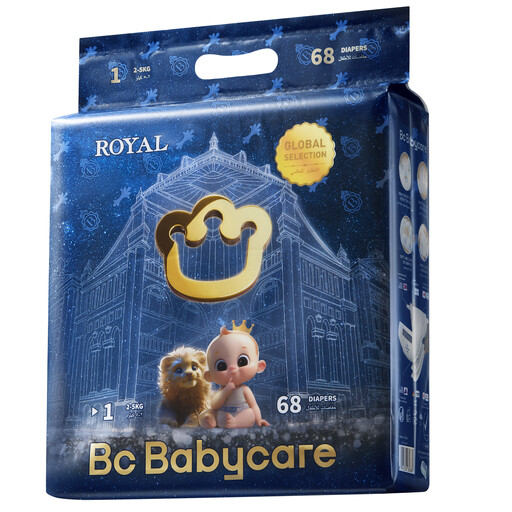
Why it suits this profile: A pack of 68 nappies gives first-time buyers a manageable quantity to try for fit before stocking up in larger amounts.
The product information clearly states a weight range of 2-5 kg and mentions a wetness indicator. That means you don’t have to rely on age or marketing claims alone.
68 nappies, 2-5 kg weight range, wetness indicator and adjustable fastenings, according to the product description.

Why it suits this profile: A good choice for parents of newborns who are looking for a soft outer layer, a navel-friendly cut-out and a larger supply.
The product description mentions a Stop & Protect pocket at the back and a navel-friendly cut-out. Still, check the fit for your individual baby.
180 nappies, dermatologically tested according to the product information, no EU-listed fragrance allergens and an OEKO-TEX Standard 100 mention.
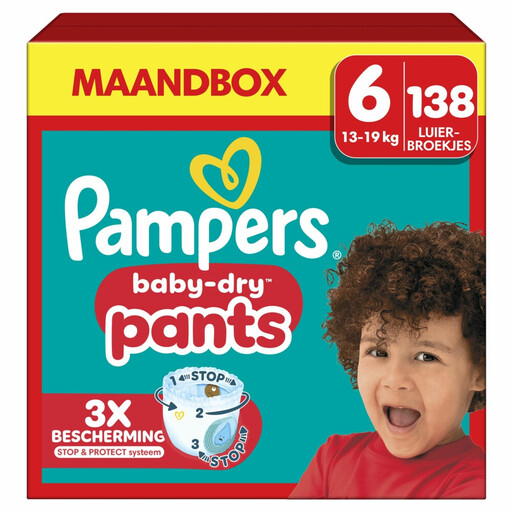
Why it suits this profile: Nappy pants are handy for an active child who moves around a lot or doesn’t like being changed lying down.
According to Pampers, the 360° waistband and wider protective barriers are designed to move with your child. Check that size 6 gives a good fit.
138 pants, easy to pull on in one movement, tear-away sides and an absorbent core according to the product description.
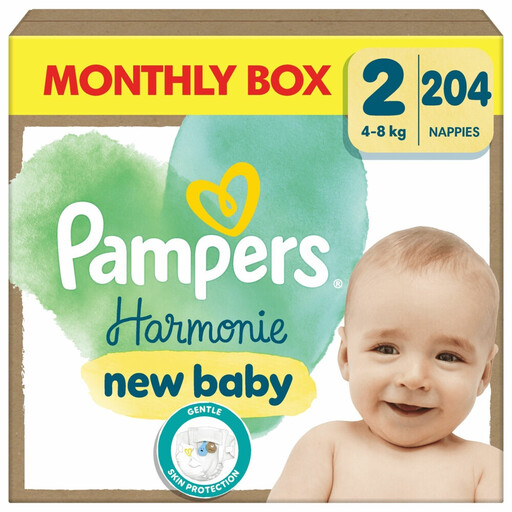
Why it suits this profile: A practical choice for parents looking for a product without perfume or lotion, with a wetness indicator and a generous monthly supply.
According to the product information, this version contains 0% perfume and lotion. Always check the current packaging and ingredients list when buying.
204 nappies, wetness indicator, labelled hypoallergenic, and cellulose from responsibly managed FSC-certified forests.
We’ve put together a complete, up-to-date list of products that meet these strict selection criteria and the applicable European safety regulations.
Move up when the nappy leaks regularly, leaves noticeable marks or no longer fits snugly around the tummy and legs. First, check the weight range for the next size up. A bigger size isn’t always the answer if the leak is caused by a poor fit or leg cuffs that haven’t been positioned correctly.
Store unused nappies somewhere dry and clean, away from direct sunlight. Check the shelf-life or usage information on the pack. Don’t buy more than you can use within a reasonable period, as babies often move up a size quickly.
Nappy pants are most practical once a baby becomes active and starts moving around a lot. For newborns, traditional nappies with sticky tabs are usually easier to adjust around the navel and a small waist. Always choose based on your baby’s weight, the fit and the product’s instructions for use.
