
Vandaag of morgen in huis

Kwaliteit gegarandeerd

Welkomstaanbiedingen ontgrendelen: GRATIS bezorging | Tot 80% korting | Gratis 30 dagen JoyPlus-proefperiode
Download de app
Choosing the right baby nappies seems simple, until you have to decide between Pampers nappies, other baby nappies, different sizes and a monthly box containing hundreds of nappies. A low price per nappy isn’t always a good deal if the size soon stops fitting or leaks mean you need to change your baby more often.
This buying guide helps parents and carers compare disposable nappies using verifiable product information. That way, you won’t have to rely solely on eye-catching marketing claims.
A large pack can often seem like good value, but babies don’t grow to a fixed timetable. A monthly box of nappies in a size that’s nearly too small can therefore be impractical. So, compare more than just the total price. Look at:
A smaller pack may be a better choice for newborns or during a growth spurt.
Sizes 1 to 8 are based mainly on weight and fit, not age. Babies of the same age can have very different builds. So, always check the weight range on the pack and look for red marks, gaps around the legs or a waistband that comes loose while your baby is wearing the nappy.
Brands use phrases such as “leak-free nights”, “up to 12 hours’ protection” or “extra absorbency”. According to the manufacturer’s product description, these claims refer to how the nappy is intended to perform under specific conditions of use. They’re not a guarantee for every child, position or changing routine.
A good fit, timely changes and properly fitted leg cuffs are still important.
Start with the weight range. Examples from the range include:
A nappy should fit snugly around the waist and legs without feeling tight. A newborn-friendly cut-out for the umbilical area can be useful for newborns. Nappy pants may be more practical than nappies with fastening tabs for active toddlers.
The absorbent core is usually made from cellulose, pulp and superabsorbent polymer, often abbreviated to SAP. This material absorbs moisture and locks it into the core. Also look for:
A wetness indicator is especially handy for newborn nappies, as it lets you see quickly when a change is needed. For example, the Pampers Premium Protection range lists more than 1,000 absorbent micropores and a Stop & Protect pocket. These are product specifications from the brand description, not a guarantee that skin will stay completely dry in every situation.
For nappies for sensitive skin, it’s a good idea to check the ingredients and certifications on the product page and packaging. Some Pampers ranges list no EU fragrance allergens, dermatological testing and OEKO-TEX Standard 100. According to the manufacturer’s product information, Pampers Harmonie nappies are also free from perfume and lotion.
BC Babycare Royal Nappies list features including a surface with a pH of 5.5, a breathable film and SAP in the absorbent core. The manufacturer describes them as suitable for sensitive skin. Stop using the product if redness or irritation occurs, and seek medical advice if symptoms persist.
The selection below is based on the stated size, quantities, materials and product features. Always check the current packaging and weight range before buying.
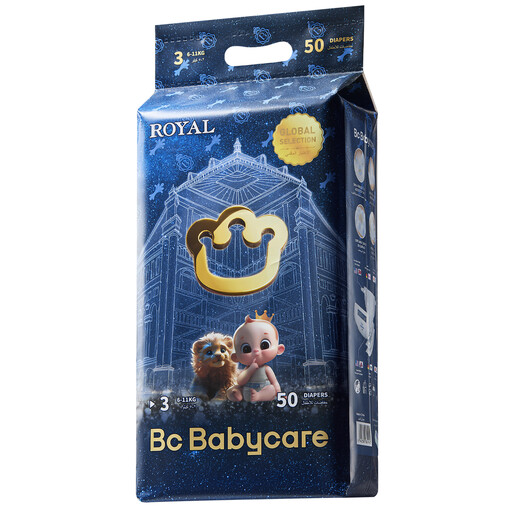
Why it suits this profile: A pack of 50 gives you the chance to try a new size without immediately buying a large monthly box. This size is designed for babies weighing 6–11 kg.
The weight range is clearly stated, so you’re less likely to choose based solely on age or pack type. According to the product description, the three wetness indicator lines provide a visual guide.
50 nappies per pack; SAP absorbent core; double leak barriers and a surface with a pH of 5.5, according to the manufacturer.
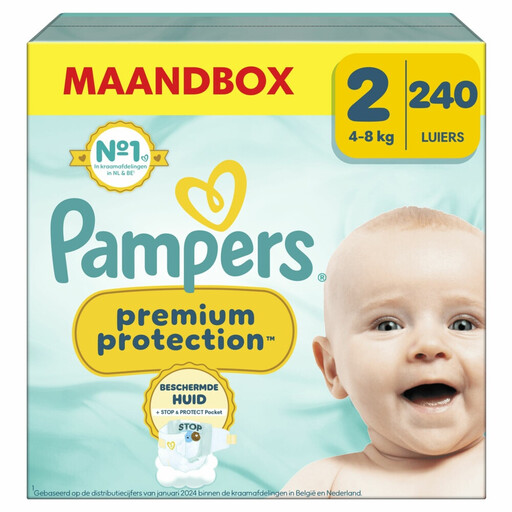
Why it suits this profile: This monthly box is designed for young babies and contains 240 size 2 nappies. The product description mentions a newborn-friendly cut-out for the umbilical area and soft materials.
The size and quantity are clearly stated, making it easier to plan your supplies. The manufacturer lists dermatological testing and no EU fragrance allergens; check the packaging for this information too.
240 nappies; Stop & Protect pocket; newborn-friendly cut-out for the umbilical area and OEKO-TEX Standard 100, according to the product information.
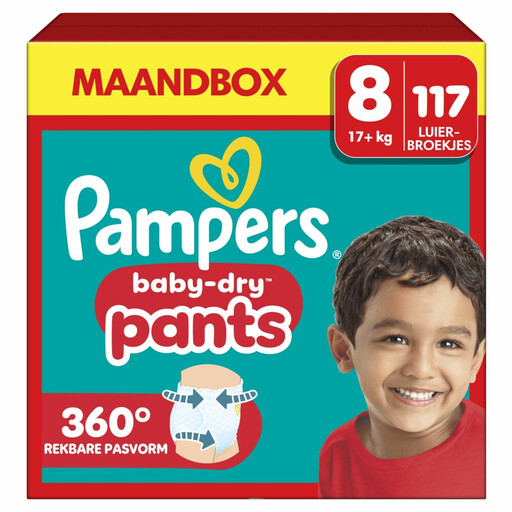
Why it suits this profile: Nappy pants are handy for active toddlers who move around a lot or find it difficult to be changed on a changing table.
The pants design means you don’t have to focus solely on fastening tabs. The manufacturer lists a 360° flexible waistband and wider protective leg cuffs.
117 nappy pants; tear-away sides; superabsorbent core and a stated fit for active children.

Why it suits this profile: This size is designed for babies weighing 2–5 kg. The product description lists 0% perfume and lotion, and cellulose from FSC-certified forests and other controlled sources.
The product information lists materials and certifications separately, so you don’t have to rely solely on the phrase “sensitive skin”.
180 nappies; no perfume or lotion, according to the manufacturer; wetness indicator and OEKO-TEX Standard 100, according to the product description.
We’ve put together a full, up-to-date list of products that meet these strict selection criteria and the applicable European safety regulations.
It depends on your baby’s age, feeding and how wet the nappy is. Check regularly and change a nappy straight away after a bowel movement. A wetness indicator can help, but also check whether the nappy feels heavy or full. Follow the instructions on the packaging too.
Look for red marks, leaks around the back or legs, and fastening tabs that are barely able to close. If the nappy seems to fill up quickly or no longer covers your baby’s bottom properly, you may need a larger size. Always compare your baby’s weight with the manufacturer’s recommended range.
A monthly box may work out cheaper per nappy, but only if your child uses that size for long enough. Calculate the price per nappy and allow for your baby’s growth. For sizes 1 and 2, a smaller pack may sometimes be more practical, while larger sizes and predictable usage can make a monthly box more appealing.
