
Vandaag of morgen in huis

Kwaliteit gegarandeerd

Welkomstaanbiedingen ontgrendelen: GRATIS bezorging | Tot 80% korting | Gratis 30 dagen JoyPlus-proefperiode
Download de app
Baby muslin cloths are useful for almost every care routine. You can use them as muslin squares, to dry your baby, during nappy changes or as a lightweight cloth when you are out and about. However, not all cloths are equally practical. A low price may seem appealing, but the wrong size, thin fabric or complicated care instructions can quickly lead to extra purchases.
This guide helps expectant parents, grandparents and gift shoppers compare their options with confidence. We look at the material, dimensions, absorbency, care requirements and the purpose you need the cloth to serve.
A product with several layers may sound automatically absorbent, but the number of layers does not tell you everything. The size, weave density and composition also determine how much moisture a cloth can absorb. Always check that 100% cotton is stated and that the dimensions suit the intended use.
A small cloth can be useful for milk spills or when you are out and about, while a baby bath towel needs more surface area to wrap around a newborn after their bath.
Babies use several cloths throughout the day. One cloth may be in the changing bag, another by the changing table and another in the bathroom. If you buy only one or two cloths, you will soon need to wash them again.
Pay attention to the difference between a set containing several small cloths and a combination pack with a towel and bath towel. The latter offers more variety, but less backup for spit-up moments.
Muslin cloths are washed frequently. A product that may only be cleaned under specific conditions can be less convenient for everyday use. According to the product descriptions for the and LEBONSOIR cloths, washing at a maximum of 40 °C is recommended. Bleaching and dry cleaning are not recommended. According to the description, air-drying helps to limit shrinkage caused by tumble drying.
Before buying, also check that you have enough space to dry the cloths. Quick-drying cotton baby cloths are practical when used frequently, but the actual drying time depends on ventilation, room temperature and the drying method you choose.
100% cotton is a popular choice for baby washcloths, baby muslin squares and baby muslin cloths. According to the product descriptions, cotton feels soft and breathable and can be washed repeatedly. However, “soft” is not a universal guarantee. The feel may vary depending on the weave, finish and number of washes.
Muslin is generally lightweight and flexible. A thicker version with several layers may absorb more moisture than a single-layer, lightweight cloth. So, alongside the term “muslin”, also look at the number of layers and the weight, if these are stated.
Cloths measuring approximately 25 × 50 cm or 30 × 50 cm are easy to hold for everyday cleaning and wiping away milk spills. They also fit in a changing bag. Larger cloths, such as 70 × 140 cm, provide more coverage and can be used after a bath or when wrapping your baby.
A large size is not automatically more convenient for every purpose. For feeding or quick cleaning, a smaller cloth may actually be easier to manage. A combination of sizes means you do not have to use a large bath towel for every little job.
Look for specific information such as six layers, the material and the stated dimensions. According to the product descriptions, the and LEBONSOIR cloths have a six-layer cotton construction and are designed for repeated use. The description also states that the fabric may become softer after washing.
Wash new cloths according to the care label before using them. Before each use, check for loose threads, damaged edges or other visible defects. Keep a cloth away from naked flames, and test the temperature when using a warm cloth.
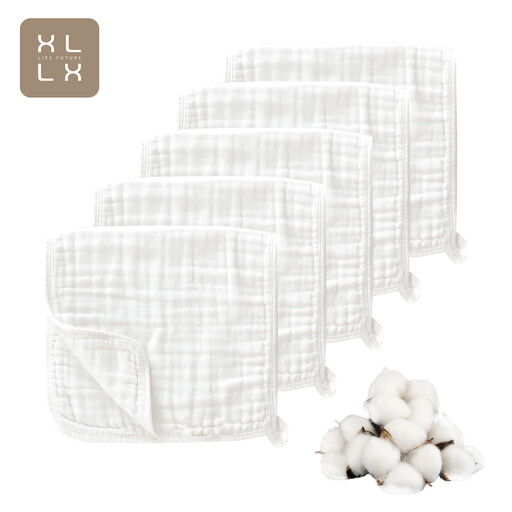
Why it suits this profile: A set of five cloths gives beginners several pieces for feeding, changing and taking out with them. The 30 × 50 cm size is practical for everyday use.
The set means you do not have to rely on just one small cloth. According to the product description, the cloths are made from 100% cotton and have six layers.
Five pieces, 100% cotton, six layers and a handy 30 × 50 cm size.
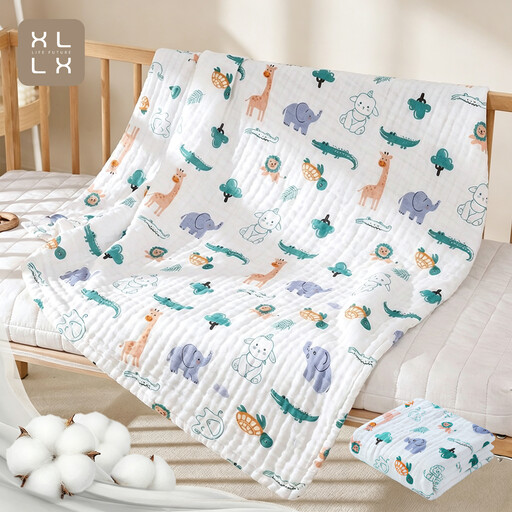
Why it suits this profile: This combination pack is ideal if you want both a small cloth and a larger baby bath towel for everyday care and bath time.
The product description clearly states the material and dimensions: one cloth measuring 25 × 50 cm and another measuring 70 × 140 cm.
100% cotton, six layers according to the product description, and two clearly different sizes.
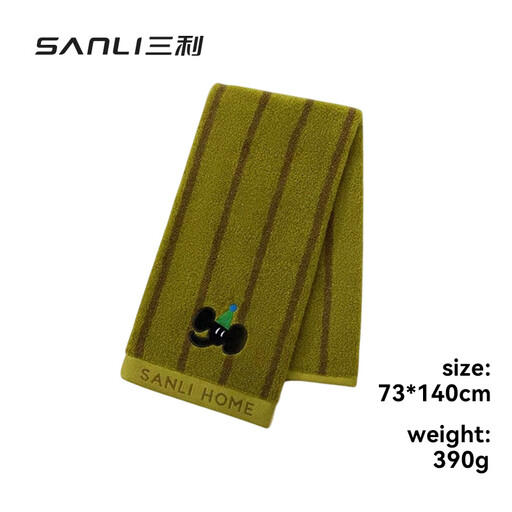
Why it suits this profile: This larger cotton towel is designed for anyone primarily looking for a towel for bathing and drying, rather than a set of small muslin squares.
The product name states the material, dimensions and stated weight of 390 grams. This allows you to compare more purposefully than by relying on a marketing term alone.
100% cotton according to the product name, a 73 × 140 cm size and a stated weight of 390 grams.
We have put together a complete, up-to-date list of products that fully meet these strict selection criteria and the applicable European safety regulations.
A small starter supply is useful for a newborn baby. Consider having several cloths for feeding, changing and taking out with you, plus one or two larger cloths for bath time. If you wash every day, you may manage with fewer pieces; if you prefer to do laundry less often, you will need more spares.
Bear in mind that a towel set for adults is not automatically suitable as baby textiles. Kitchen towels or tea towels may have a different finish, size and intended use. For direct contact with your baby’s skin, preferably choose a product whose description states that it is intended for babies.
According to the product descriptions mentioned, the and LEBONSOIR cloths are made from 100% cotton and intended for baby care. Always check the care label, seams and condition of the cloth before use. A product description is not a substitute for careful supervision during care.
Follow the specific care instructions. For the and LEBONSOIR cloths mentioned, washing at a maximum of 40 °C, without bleach or dry cleaning, is recommended. The description advises limiting shrinkage by avoiding tumble drying and allowing the cloths to air-dry instead.
Their lifespan depends on the quality of the fabric, how often they are washed and how they are dried. Replace a cloth when the fabric becomes thin, the seams start to come undone, there is permanent damage or the cloth no longer becomes properly fresh and clean. Alternating between several cloths reduces the strain on each individual piece.
