
Vandaag of morgen in huis

Kwaliteit gegarandeerd

Welkomstaanbiedingen ontgrendelen: GRATIS bezorging | Tot 80% korting | Gratis 30 dagen JoyPlus-proefperiode
Download de app
Muslin cloths are an essential part of the baby essentials kit for many Dutch families. You can use them while feeding, changing, drying and when you are out and about. However, baby muslin cloths vary considerably in size, number of layers and care requirements. An appealing photo or the phrase “extra absorbent” does not tell you enough on its own.
As a Joybuy Product Recommendation Officer, I therefore focus primarily on verifiable information in the product description: material, dimensions, number of layers, number of cloths and washing instructions. This helps you avoid buying a set that is too small for bath time, contains too few cloths for everyday use or provides unclear care instructions.
Words such as soft, breathable and absorbent are only useful when you also know what the cloth is made of and how it is constructed. A product description may mention these qualities without providing an independent measurement method or absorption rating. Treat such claims as information from the product description, not as a guarantee for every user.
Pay attention to the combination of:
A large cotton baby cloth may be suitable for drying or use as a towel after a bath. For feeding and changing, a smaller size is often easier to hold and take with you. Check whether the set contains baby cloths, towels or a combination.
A small cloth measuring approximately 25 x 50 cm fits in a changing bag and can be used as a baby burp cloth. A 70 x 140 cm cloth is better suited to bath time, drying or temporary wrapping. Never leave a cloth loose over a baby’s face and always supervise your baby during use.
Cotton can shrink, particularly at high temperatures or in a tumble dryer. The product information provided for several and LEBONSOIR sets states that they should be washed at 40 °C, not bleached and not dry-cleaned. It also recommends avoiding the tumble dryer and allowing the cloths to air-dry by hanging them up or leaving them to drip-dry.
Wash new cloths according to the label before first use. After each wash, also check for loose threads, damage or decorations that are coming away.
For everyday use, many parents look for cotton baby cloths. 100% cotton is easier to assess from the product information than a general term such as “natural fabric”. Cotton feels pleasant to many users and is suitable for a range of care routines, although the experience can vary depending on the weave and finish.
When buying a baby gift, also check:
According to the product descriptions of the sets mentioned, the cloths are intended for cleaning, wiping, drying and use with newborns. This does not mean that every baby will react in the same way. Stop using the cloths if visible skin irritation occurs and consult a healthcare professional if you have any concerns.
A 6-layer muslin cloth is described in the product listings as having a thicker construction and high absorbency. This is a product specification, not an independent performance test. Additional layers may be useful during feeding or when dealing with spills, but they can also make a cloth feel somewhat bulkier.
Choose a set based on how you intend to use it:
Several sizes are practical for newborn care. Small cloths are easy to replace and store. Larger cloths provide more coverage when drying, but take up more space in a changing bag.
Always check whether the dimensions are provided for each individual item. When a set combines 25 x 50 cm and 70 x 140 cm cloths, they serve two different purposes rather than being two identical muslin nappies.
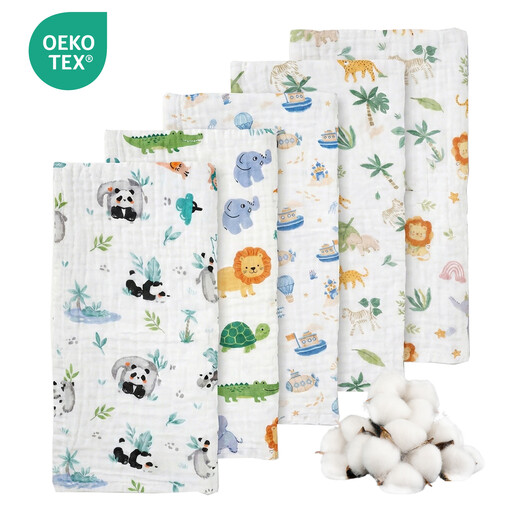
Why This Fits Their Persona: A five-piece set is a straightforward choice for parents putting together their first baby essentials kit and looking for several burp cloths.
The number of pieces and the 50 x 25 cm dimensions are clearly stated. This prevents you from buying one large cloth when you are actually looking for smaller ones.
According to the product description: 100% cotton, six layers and reusable. The set contains five cloths for everyday use.
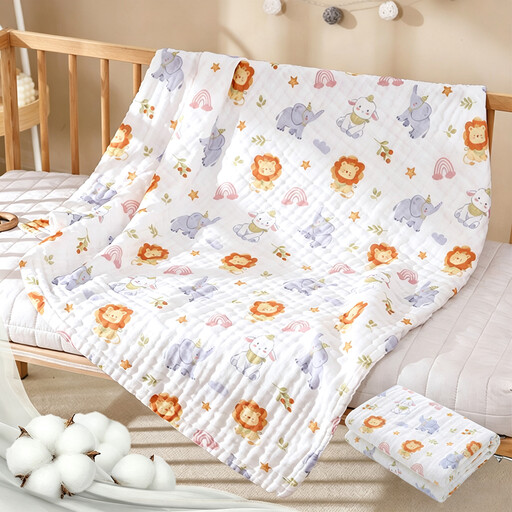
Why This Fits Their Persona: Ideal for anyone looking for one set that covers both bath time and smaller care routines at home.
The package is described as a combination set: one 70 x 140 cm cloth and one 25 x 50 cm cloth. This makes the intended use of each size clear.
According to the product description: 100% cotton, breathable fabric and a six-layer design. The care instructions specify washing at 40 °C.
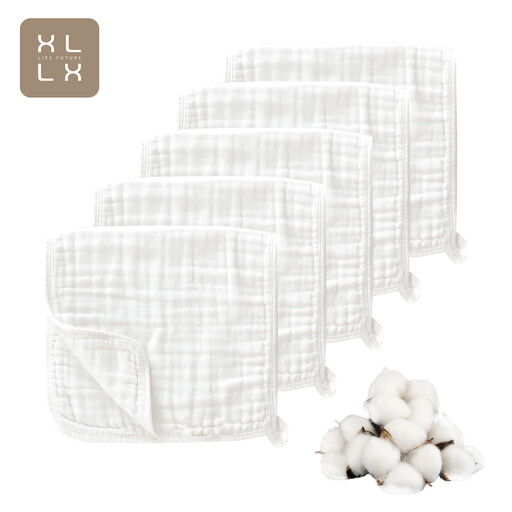
Why This Fits Their Persona: Suitable for families who use several cloths a day during feeding, changing and while out and about.
The set contains five cloths measuring 50 x 30 cm. This gives you more flexibility between washes than a single cloth, without adding a large bath towel.
According to the product description: 100% cotton, six layers and dimensions of 50 x 30 cm. The cloths are designed for repeated use and storage in a changing bag.
Where possible, wash muslin nappies and baby burp cloths separately from highly lint-producing textiles. Sort light and coloured cloths according to the care label. Do not use bleach if the product information advises against it. Allow the cloth to dry completely before storing it; this helps prevent musty odours caused by damp fabric.
A soft baby towel is not automatically suitable as sleepwear or a covering. Use cloths only for their intended purpose, keep your baby’s face uncovered and follow the manufacturer’s safety instructions. During bath time, check the water temperature before the cloth comes into contact with your baby’s skin.
Browse a current selection of cotton products and compare materials, dimensions and quantities before placing your order.
That depends on how often you do laundry and how you plan to use the cloths. A set of five is a practical starting point for feeding and changing. If you also want to cover bath time, being out and about and drying, you may wish to combine several sets.
Muslin cloth is a broad term for thin, absorbent baby cloths. A baby burp cloth is usually smaller and designed to be placed over your shoulder or under your baby’s head during feeding. Always check the exact dimensions and number of layers.
Not every cloth has the same care instructions. The product descriptions mentioned above recommend air-drying to help limit shrinkage. Always follow the care label for your specific product and check the cloth for damage after washing.
