
Vandaag of morgen in huis

Kwaliteit gegarandeerd

Welkomstaanbiedingen ontgrendelen: GRATIS bezorging | Tot 80% korting | Gratis 30 dagen JoyPlus-proefperiode
Download de app
As an expectant or new parent, you already have enough on your plate. The search for a good baby monitor with a camera can feel like a second full-time job. Manufacturers promise the world, but in practice, many devices disappoint. As a Joybuy Product Recommendation Officer, I'll help you cut through the marketing jargon. We'll look at the specifications that truly matter, so you can make a choice that provides peace of mind, not frustration.
Before we look at products, let's discuss the three most common pitfalls. Knowing these will save you not just money, but a great deal of worry.
Don't be distracted by a long list of features. Focus on the fundamentals. These three points are crucial for a reliable video baby monitor.
This is perhaps the most important technical choice you'll make.
A few features make a real difference in daily use:
Based on the criteria above, we have selected a few products that suit different needs and budgets.
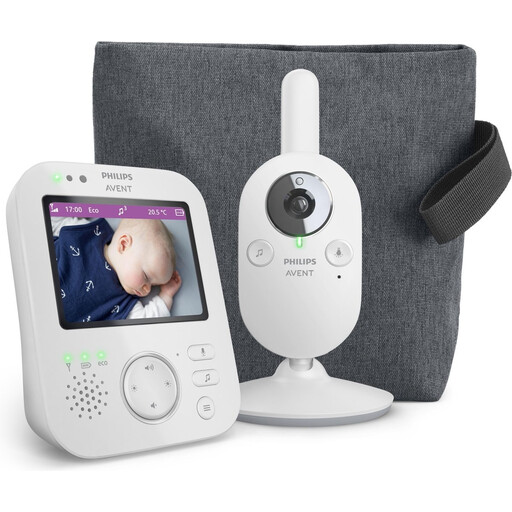
Why This Fits Their Persona: For parents who want a reliable, secure, and user-friendly solution without relying on Wi-Fi. Ideal for those who prioritise peace of mind above all else.
Uses a unique handset pairing (FHSS technology) for a private connection, avoiding the risks of an insecure Wi-Fi network.
Clear infrared night vision and an energy-saving ECO mode. A dependable choice from a trusted brand like Philips Avent.
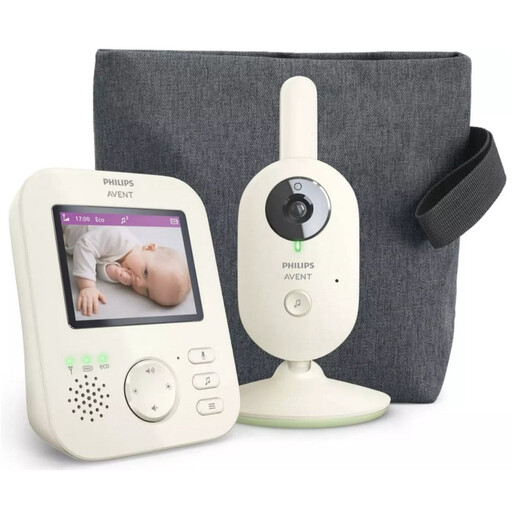
Why This Fits Their Persona: For the parent seeking a complete package with all the essential features, without the fuss. Reliability and ease of use are paramount.
Focuses on the core essentials: a stable, private connection and clear video. The extras, like lullabies, are high-quality and not just a gimmick.
Combines a talk-back feature, ECO mode, and a range of up to 300 metres (outdoors) in one solid device.
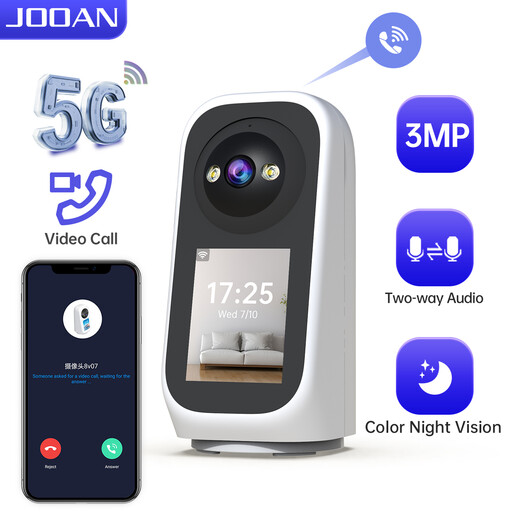
Why This Fits Their Persona: For the parent who wants flexibility and doesn't mind using an app. Ideal for those who want to check in from work or while out and appreciate extra features like a pan-and-tilt camera.
Although it's a Wi-Fi camera, you are in control of its security. By setting a strong, unique password and properly securing your home network, you create a safe environment.
The 360° PTZ (Pan-Tilt-Zoom) function lets you see the entire room. Its 2K resolution offers sharper video than many standard baby monitors. Works on both 2.4Ghz and 5Ghz Wi-Fi.
We have compiled a complete, real-time list of products that fully satisfy these strict selection criteria and UK safety regulations.
1. Is a Wi-Fi baby monitor with a camera actually secure? A Wi-Fi baby monitor can be secure, provided you take the right precautions. Always use a strong, unique password for both the camera app and your Wi-Fi network. Choose a brand that releases regular security updates and enable two-factor authentication if available. However, a model with a direct FHSS connection, like the Philips Avent baby monitor, offers the most security without requiring you to manage technical settings yourself.
2. What is the actual range of a baby monitor in a typical home? Manufacturers often advertise a range of up to 300 metres, but this is measured in an open field with no obstacles. In an average home with concrete walls and floors, a realistic range for an FHSS model is often between 30 and 50 metres. This is usually sufficient for most homes. Always test the range yourself by walking around the house and garden with the parent unit.
3. How long does the parent unit's battery last? Battery life varies greatly by model and usage but is typically between 8 and 12 hours with continuous use. Features like ECO mode or VOX mode (where the screen only turns on when sound is detected) can significantly extend battery life, sometimes up to 24 hours or more. It's good practice to place the parent unit on its charger overnight.
