
Vandaag of morgen in huis

Kwaliteit gegarandeerd

Welkomstaanbiedingen ontgrendelen: GRATIS bezorging | Tot 80% korting | Gratis 30 dagen JoyPlus-proefperiode
Download de app
A baby monitor with a camera can be useful while your baby is asleep and you’re in another room. However, models vary considerably in picture quality, range, privacy and running costs. A low price means little if the picture is unclear at night, the parent unit runs out of battery quickly or an app only works properly with a subscription.
When comparing models, don’t focus only on terms such as “smart”, “2K” or “AI”. Look at the features that suit your home, internet connection and daily routine.
A 1080p or 2K camera can give you a sharp picture during the day, but at night, infrared lighting, viewing angle and positioning matter too. Even a high-resolution camera won’t show much detail if it’s too far from the cot. Check whether the product description specifies a night vision range or infrared function.
A baby monitor with motion detection or baby monitor with crying detection can send alerts to your phone. However, sensitivity varies between models. Traffic noise, a pet or a moving curtain can trigger alerts. Look for adjustable detection zones, sound sensitivity settings and the option to turn alerts off.
A Wi-Fi baby camera often works through a smartphone app. That’s handy when you’re out and about, but the camera relies on your router and account. Check whether footage can be saved locally to a microSD card or internal memory, and whether cloud storage is paid for. Use a strong, unique Wi-Fi password and install firmware updates as instructed in the manual.
For a small bedroom, 1080p is often enough for live viewing, provided the camera is positioned well. A wider viewing angle helps if you want to see more of the room. A camera that pans and tilts can be useful, but check whether you can control it remotely and whether it tracks movement automatically.
When choosing a baby monitor with night vision, look for:
A baby monitor with a parent unit works indoors without you having to keep using your phone. This can be handy while you’re cooking or working, or when you need your phone for other things. For example, the Philips Avent SCD892/26 is listed as having a parent unit, VOX mode, two-way communication, ECO mode and a range of up to 50 metres indoors and up to 300 metres outdoors, according to the product information.
A smart baby monitor with an app is a better choice if you want to check in while you’re out. Check whether the camera and app work only on 2.4GHz or also support 5GHz, and whether an internet connection is needed for live viewing.
Many baby cameras are mains-powered. Place the camera on a stable surface or install it according to the manual, well out of your child’s reach. Keep cables away from the cot and sleeping area. A monitor is only an aid and does not replace supervision by an adult.
Also check:
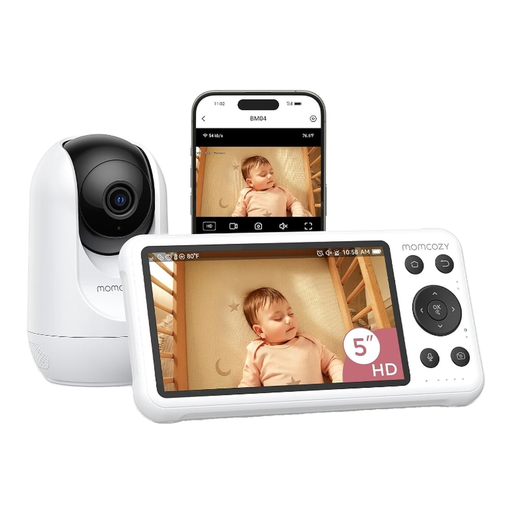
Why it suits this type of buyer: This dual-mode system combines a 5-inch 1080p display with Wi-Fi access via a smartphone app. You can use the parent unit at home and check in remotely through the app.
The product description lists both a separate display and app access. Motion and crying detection are included, but adjust the alerts carefully to avoid unnecessary notifications.
5-inch 1080p screen, night vision, two-way communication, local recording, and motion and sound alerts, according to the product specifications.
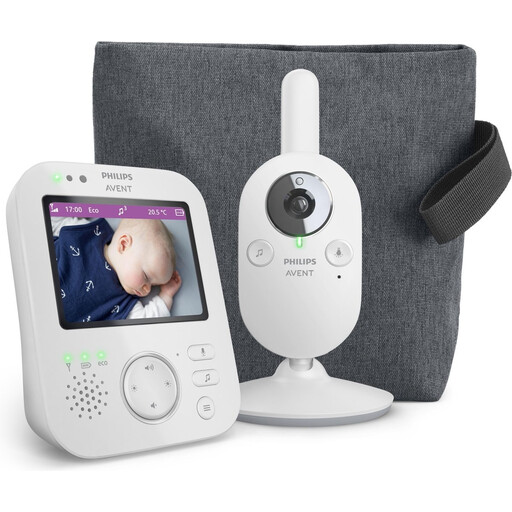
Why it suits this type of buyer: A good choice for parents who want a traditional video baby monitor with its own screen and less reliance on a smartphone app.
The product information mentions a secure connection between the handset and camera. Still, check the actual range in your home, as walls and floors can affect the signal.
Dedicated colour screen, 2x digital zoom, VOX mode, infrared night vision, two-way communication and ECO mode, according to Philips Avent.
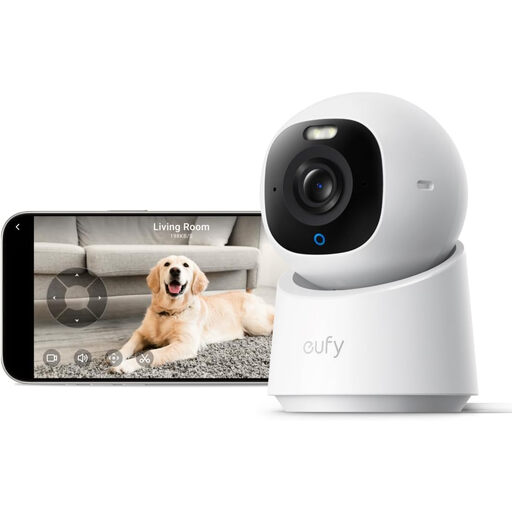
Why it suits this type of buyer: This indoor camera is a good fit for users looking for a wide view of the room, app control and advanced detection features for their baby, pet and home.
According to the product description, the camera offers local storage via an SD card, so cloud storage isn’t the only option. No parent unit is listed; the camera is controlled through the app.
4K UHD, 360° view, automatic pan and tilt, colour night vision, two-way audio, and people, pet and sound detection, according to the product information.
We’ve put together a complete, up-to-date list of products that meet these strict selection criteria and current European safety regulations.
That depends on your settings and network security. Use a unique password, enable two-step verification if available, and only share the app with people who need access. Position the camera so that it only films inside your own home, and follow the manual’s instructions for updates.
A parent unit is handy at home and usually works independently of your phone. An app is useful if you want to check in while you’re out, but it generally requires Wi-Fi and an internet connection. Dual-mode models offer both options.
As well as the purchase price, you may need to pay for a microSD card, cloud storage or a subscription. Before buying, check which features are available without a subscription. Local storage can help keep recurring costs down, but you’ll need a suitable card and should regularly manage any saved footage.
