
Vandaag of morgen in huis

Kwaliteit gegarandeerd

Welkomstaanbiedingen ontgrendelen: GRATIS bezorging | Tot 80% korting | Gratis 30 dagen JoyPlus-proefperiode
Download de app
Choosing baby milk seems simple until you’re standing in front of a shelf or scrolling through a long list of products online. Age labels vary, packaging looks similar, and marketing copy sometimes focuses more on added ingredients than on the basic information you really need.
The most common purchasing mistakes stem from three pitfalls:
So always use the product packaging as your main source of information. Information on a webshop can change and should not replace the label, instructions for use or advice from a health visitor, doctor or other qualified healthcare professional.
Start by checking the age on the packaging. A useful guide is:
Also check for allergens. Products in the range may contain milk, fish and soya, among other ingredients. If your child has a known allergy or dietary requirement, always check the full ingredients list and seek advice from a healthcare professional if needed.
With powdered formula, it’s important to use the correct ratio of water to powder, a clean bottle and an accurate measuring scoop. Follow the preparation instructions for the specific product. Different brands and product stages may specify different quantities.
Keep these points in mind:
An opened pack should generally be tightly closed and stored in a cool, dry place. Some products should be used within around four weeks of opening, but always follow the label.
A baby bottle warmer can be useful if you regularly need to warm a bottle or jar of baby food. Look for:
A bottle warmer doesn’t automatically make a product suitable for keeping warm for a long time. Prepared baby milk should be used according to the instructions and must not be left standing without checking it.
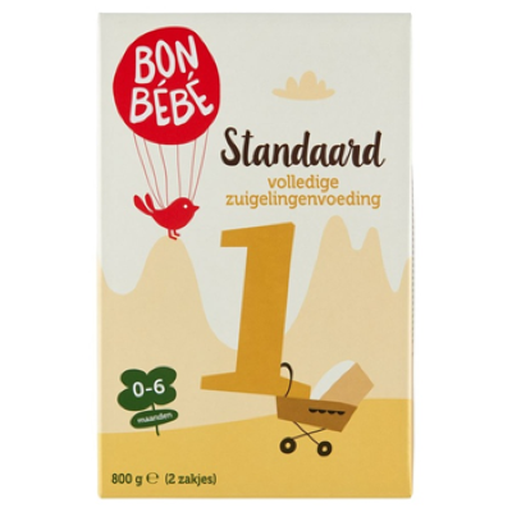
Why it suits this profile: According to the product information, this complete infant formula is intended for babies aged 0 to 6 months. The 400g pack is a manageable size if you’d like to start with a smaller quantity.
The age stage is clearly stated. Always follow the preparation and storage advice on the packaging too; incorrect preparation can pose risks.
Suitable from birth to 6 months; according to the ingredients information, contains milk, fish and soya allergens, among others.
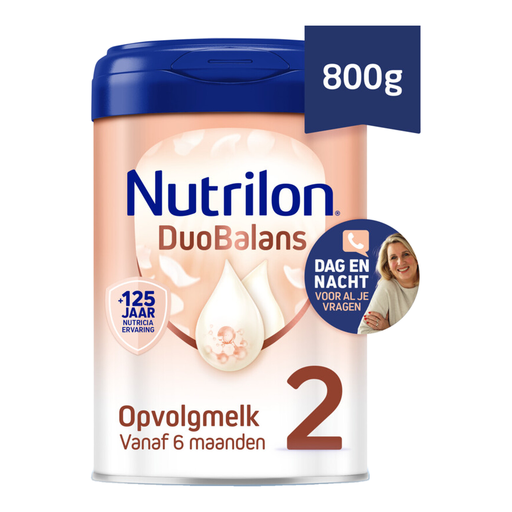
Why it suits this profile: If you’re looking for follow-on milk from 6 months with detailed nutritional information, compare this option by its ingredients, preparation method and pack size.
The product information states that it’s suitable from 6 months and gives a specific ratio of 14.6 grams of powder per 100 millilitres of water. Check the current packaging before use.
Follow-on milk from 6 months; according to the product specifications, contains DHA, GOS, FOS and 2’FL, among other ingredients.
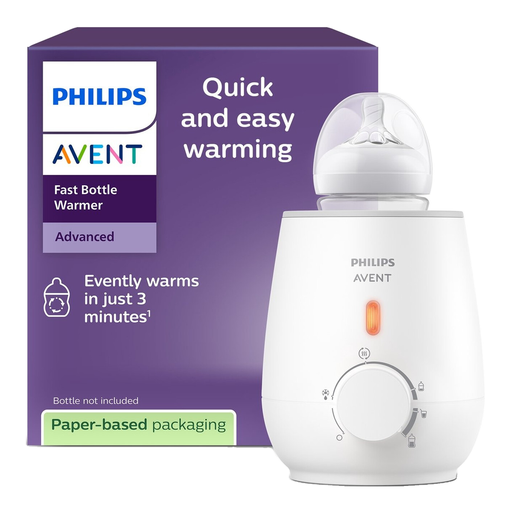
Why it suits this profile: For families who warm bottles or baby food every day, this appliance has a dedicated defrost setting and a baby food warming function.
The specifications state that it has a power rating of 300 watts and a warming time of around 3 minutes. Always check the temperature yourself; a timer is no substitute for checking.
Warms gradually according to the product description; suitable for bottles and baby food; easy to use.
We’ve put together a complete, up-to-date list of products that meet these strict selection criteria and the applicable European safety regulations.
That depends on the age label and your child’s feeding needs. Products such as stage 2 follow-on milk are intended from 6 months, according to their product information. Always check the label and, if you’re unsure, discuss the change with your health visitor or doctor.
Follow the instructions for the specific brand. Some packs advise using prepared milk within one hour, while others specify a different time. Don’t keep leftovers for longer than stated, and don’t reheat milk unless the instructions clearly say to.
No, a bottle warmer isn’t essential. It can be useful if you regularly want to warm a bottle of milk or a jar of baby food evenly. Check that it’s compatible with your bottle, and consider how easy it is to clean and check the temperature. Claims about fast or even warming are based on the manufacturer’s information; always check the milk before feeding.
