
Vandaag of morgen in huis

Kwaliteit gegarandeerd

Welkomstaanbiedingen ontgrendelen: GRATIS bezorging | Tot 80% korting | Gratis 30 dagen JoyPlus-proefperiode
Download de app
Baby milk and follow-on formula may seem straightforward to compare at first glance. However, products differ significantly in age stage, preparation method, packaging and ingredients. Choosing the wrong one could mean buying a pack that doesn’t suit your child’s age, or stocking up on more than you can use within the recommended period.
As Joybuy’s Product Recommendation Officer, I’ve filtered the most important product information for parents and carers in the Netherlands. Below, you’ll find out what to look for in infant formula, bottle-feeding milk, follow-on milk and toddler milk.
A number on the packaging doesn’t always refer to the same age across different brands. Nutrilon 2 is intended for babies from 6 months, while Nutrilon 3 is suitable for babies aged 10 to 12 months, according to the product information. Products with numbers 4, 5 or 6 are designed for older children.
Always check:
Baby milk for 0–6 months and follow-on milk from 6 months are not interchangeable categories. If you’re unsure about switching or introducing formula milk for your baby, you can ask for advice from your child health clinic, a doctor or another qualified healthcare professional.
Terms such as fibre, vitamins, milk fat or a particular fatty acid composition may be relevant, but they don’t automatically tell you which product is right for your child. According to Nutricia’s own research, certain Nutrilon products are chosen by many parents; this is a brand claim, not a personal recommendation.
Instead, focus on verifiable details:
A product with extra ingredients isn’t automatically necessary. For special dietary needs, allergies or medical questions, it’s important to consult a qualified professional.
A value pack may look appealing per gram, but baby food and milk powder have a limited shelf life once opened. Many products, for example, state a period of around four weeks after opening. Prepared formula often needs to be used within one or two hours, depending on the label.
Only buy a larger pack if you’re sure that:
Use age as your first filter:
Standard full-cream milk powder is not the same as infant formula. According to the product information, Two Cows Milk Powder is intended from 2 years and must not be used as food for babies or as a replacement for formula milk below that age.
Check how much powder and water are needed. Nutrilon 2, for example, states 14.4 grams of powder per 100 ml of water, with a scoop of 4.8 grams. Nutrilon 4 uses the same ratio according to the available product information.
Always use:
A mixture that is too strong or too weak can affect nutritional value and safety. Do not store prepared formula again unless the label explicitly allows it. Leftovers should be discarded according to the usage instructions.
Read the ingredients list, even if you’ve bought a similar product before. Nutrilon 1, Nutrilon 2 and Nutrilon 3 list milk, soya and fish among their allergens. Bon Bebe 0–6 Months also contains milk, fish and soya.
For milk powder, the packaging is important for hygiene:
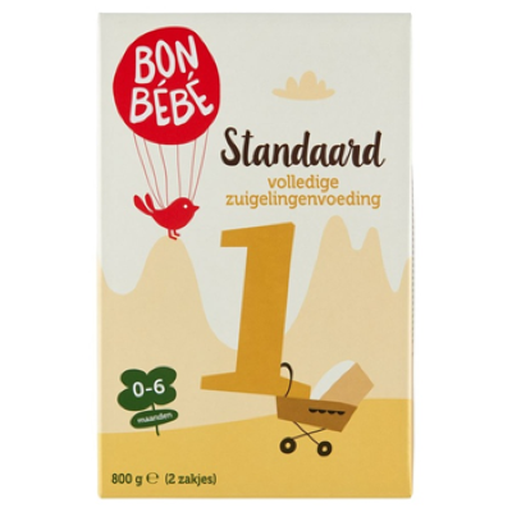
Why this fits the profile: The 400-gram pack is manageable for parents looking for a standard baby formula from birth who don’t want to buy a large stock straight away.
The age stage 0–6 months is clearly stated. Always check the current preparation instructions on the packaging before use.
Complete infant formula from birth; contains vitamins, minerals and DHA among other ingredients, according to the product information.
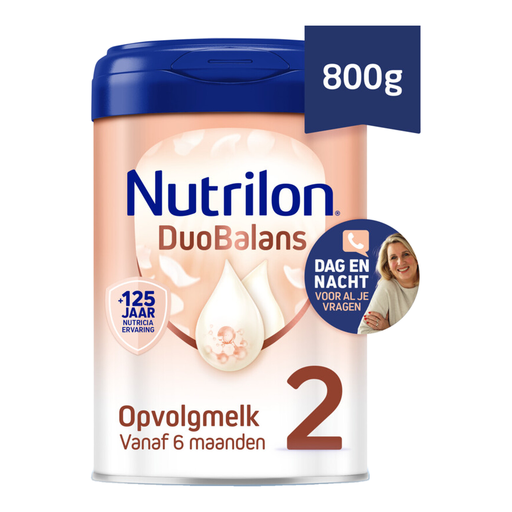
Why this fits the profile: Suitable for parents who, when choosing follow-on milk from 6 months, pay attention to the nutritional information table and a clearly described preparation ratio.
The product information states the age, allergens, a ratio of 14.6 grams per 100 ml and a usage period of four weeks after opening.
Suitable from 6 months; according to the ingredients list it contains milk, soya and fish, among other things, and a combination of GOS, FOS and 2’-fucosyllactose.
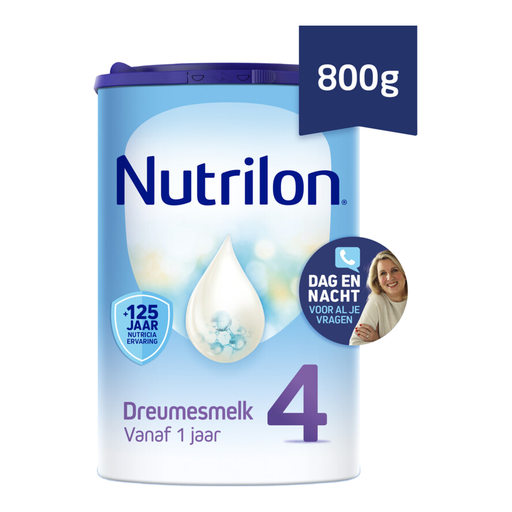
Why this fits the profile: A practical choice for families who use toddler milk regularly from 12 months and are looking for an 800-gram pack.
The packaging shows the minimum age from 12 months. This makes the distinction from infant formula and follow-on milk clearer.
800-gram content; preparation advice of 14.4 grams of powder per 100 ml of water; contains milk, fish and soya according to the product information.
We’ve put together a full, up-to-date list of products that fully meet these strict selection criteria and comply with current European safety regulations.
Baby milk, or complete infant formula, is intended for a specific first age stage, often from birth to 6 months. Follow-on milk from 6 months is designed as part of a varied diet when solid foods are introduced. Always check the age label and preparation instructions for the brand.
This varies by product. Many packs state a maximum of four weeks after opening, but the label is what counts. Store milk powder in a dry, cool place and keep it tightly sealed. Prepared formula has a much shorter usage period; leftovers must not be stored again if the packaging advises against it.
Toddler milk is not an automatic requirement for every child. From 1 or 2 years, the diet changes and milk powder for children can be part of a varied diet. Look at the overall nutrition, the age label and the ingredients. If you have questions about switching from formula to ordinary milk or toddler milk, you can ask your child health clinic or a doctor for advice.
