
Vandaag of morgen in huis

Kwaliteit gegarandeerd

Welkomstaanbiedingen ontgrendelen: GRATIS bezorging | Tot 80% korting | Gratis 30 dagen JoyPlus-proefperiode
Download de app
The choice between baby milk, follow-on milk and toddler milk might seem straightforward, but packaging uses a lot of different terms. Age, preparation method, allergens and pack size all determine whether a product is truly right for your family. What’s more, marketing claims about fibre, vitamins or an “adapted” formula are not automatically a reason to pay more.
This guide will help you objectively compare baby milk and follow-on milk and avoid common buying mistakes.
Complete infant formula for babies from birth is different from follow-on milk from 6 months. Toddler drink or toddler milk from 1 year is another product category altogether. Always check the age on the packaging and don’t just look at the number in the product name.
A product for children from 2 years, such as standard milk powder, is not suitable for babies and should not be used as a replacement for breast milk or complete infant formula for children under 2 years.
Brands sometimes highlight specific fibres, fats or vitamins. According to the brand’s own research, certain benefits may be linked to these, but such claims are not personalised nutritional advice. The composition of infant formula is largely regulated in the European Union. As a result, differences between products are not always as big as the packaging suggests.
So compare the age, ingredients, allergens and preparation instructions first. Only then look at extra features.
A value pack can offer a lower price per gram, but only if you use the contents within the recommended period after opening. Many packs advise using opened baby milk powder within about four weeks. Also check that you have enough storage space and that the pack seals properly.
Use this classification as your first check:
If you are unsure about switching, the amount or the suitability for your child, it is wise to seek advice from your health visitor, GP, dietitian or pharmacist.
Read the ingredients list, especially if you know of any sensitivities. Many products in this category contain milk, and some also contain fish oil or soya lecithin. Also look at the nutritional values per 100 ml of prepared feed, not just per 100 g of powder.
Pay attention to differences in preparation ratios. For example, Nutrilon 2 states a ratio of 14.4 g of powder per 100 ml of water, while other products use their own scoop and guide. Always use the scoop from the relevant pack and follow the instructions on the label.
An incorrect ratio or unhygienic preparation can pose risks. So check these points:
With medical products, such as feeding intended for babies who bring up milk, extra care is needed. According to the product information, Nutrilon Nutriton is a supplement to breast or bottle feeding and not a complete feed. The product is intended for use under medical supervision. So discuss it with a doctor or midwife first.
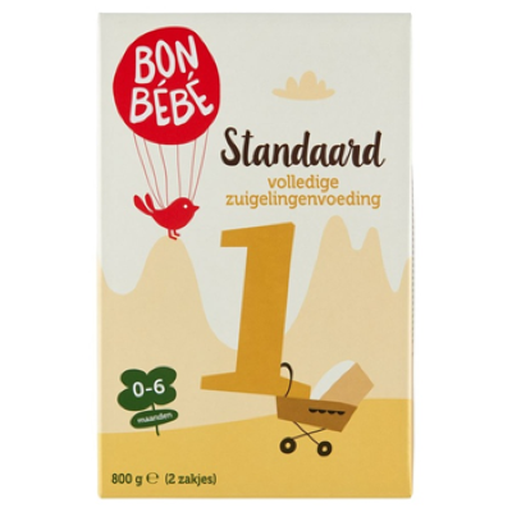
Why this fits the profile: The 1-2 x 400 g pack is manageable for parents who want to buy a standard product for 0 to 6 months without committing to a large stock straight away.
The age is clearly stated as 0 to 6 months. The product information also lists milk, fish and soya as allergens, so you can check the ingredients in advance.
Complete infant formula according to the product description, with a smaller pack size and clear storage instructions after opening.
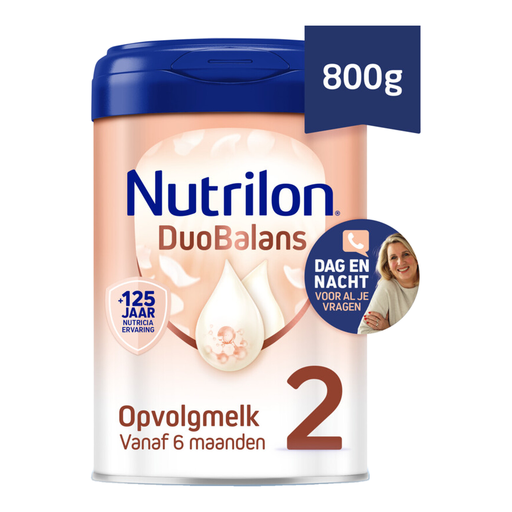
Why this fits the profile: Suitable for parents who, when choosing follow-on milk from 6 months, look beyond just the price and want to compare the detailed ingredients list and nutritional values.
The product information states the age stage, preparation ratio, allergens and nutritional values per 100 ml of prepared feed. This allows you to make a concrete comparison.
According to the label, it contains GOS, FOS, DHA and 2’-fucosyllactose among other ingredients; check the full composition and allergens before use.
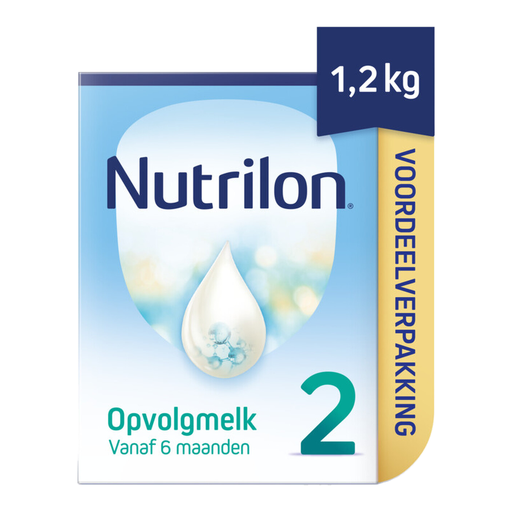
Why this fits the profile: A 1.2 kg pack can be practical for families who prepare several feeds daily and will use the milk within the stated period after opening.
The product description explicitly states that it is suitable from 6 months. The preparation instructions mention 14.4 g of powder per 100 ml of water and using prepared feed within one hour.
Large 1.2 kg content, a supplied scoop and a clear preparation guide according to the product information.
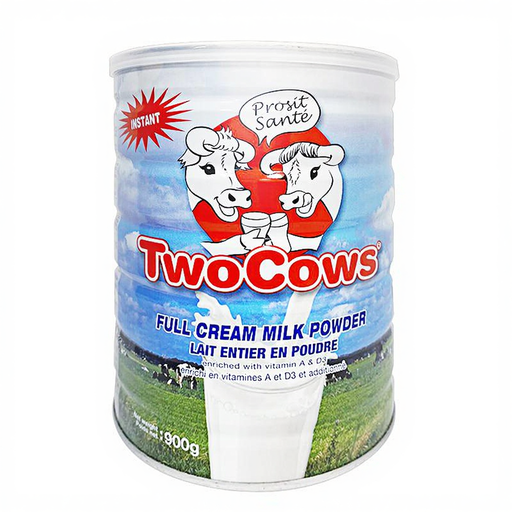
Why this fits the profile: This standard whole milk powder is intended for people from 2 years and can be used in drinks, porridge, sauces or desserts.
The product information clearly warns that this is not food for babies and should not be used as a replacement for breast milk or infant formula for children under 2 years.
900 g content, 28% fat according to the product description and a clear ratio of 130 g of powder with 900 ml of water for 1 litre of milk.
We have put together a full, up-to-date list of products that fully meet these strict selection criteria and comply with current European safety regulations.
Baby milk or complete infant formula is intended for the first stage of life, depending on the age indication on the pack. Follow-on milk is generally intended from 6 months and is used alongside a varied diet. Always check the specific age label and preparation instructions.
This varies by brand and pack. Many products state a period of up to four weeks after opening, provided it is stored tightly sealed and dry. For the correct time, always refer to the label on your product.
No. Standard whole milk powder, such as Two Cows Milk Powder, is intended from 2 years according to the product information. For babies, you need a product specifically labelled as complete infant formula or follow-on milk.
