
Vandaag of morgen in huis

Kwaliteit gegarandeerd

Welkomstaanbiedingen ontgrendelen: GRATIS bezorging | Tot 80% korting | Gratis 30 dagen JoyPlus-proefperiode
Download de app
A jar or squeeze pouch of baby fruit purée may seem simple to choose. However, products differ in age guidance, ingredients, portion size and storage instructions. Cheerful packaging, or words such as “pure” and “natural”, do not always tell the whole story.
Pay particular attention to these common pitfalls:
First, choose a product that is suitable for the age stated on the label. Products from 4 months often contain one or a few types of fruit and have a smooth purée texture. This can be practical when you are gently introducing your baby to first foods.
Examples include apple, pear or banana fruit snacks, or a simple combination. Products from 6 months may contain additional ingredients such as yoghurt, oats or rice flour. From 8 or 12 months, you will often find more distinctive combinations and textures.
Up to 6 months, milk remains the main source of nutrition; fruit purée is an addition. If you are unsure about introducing foods or allergens, follow the advice of your health visitor or another qualified healthcare professional.
Do not just look at the front of the packaging; read the full ingredients list too. Check:
For example, the product information for Ella’s Kitchen BIO Mangoes 4M+ 70GR states that it contains 100% organic mango with less than 1% organic concentrated lemon juice. The nutritional value is 77 kcal and 16 grams of sugar per 100 grams. “No added sugars” therefore does not mean that the product contains no sugar.
An apple and banana fruit snack or a peach and mango fruit snack may have an accessible flavour, but compare the percentages of each fruit if you want to know exactly what is in the pouch.
Fruit purée in a squeeze pouch is convenient for the pushchair, car or when visiting friends and family. However, pay attention to how it is used:
A 70-gram portion is compact for taking out and about. A 120- or 125-gram pack may be more convenient if you want to divide a larger portion at home. The right choice depends on when the purée will be eaten and how much your baby actually consumes.
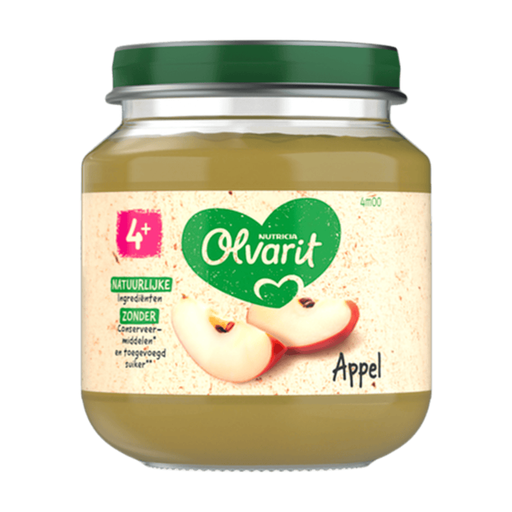
Why it suits this profile: A familiar fruit flavour and a 125-gram portion make this a practical starting point for parents looking for a simple product.
The product information states that it contains no added sugar or preservatives. However, always check the current packaging.
125 grams, suitable from 4 months according to the product information, and free from gluten and cows’ milk protein.
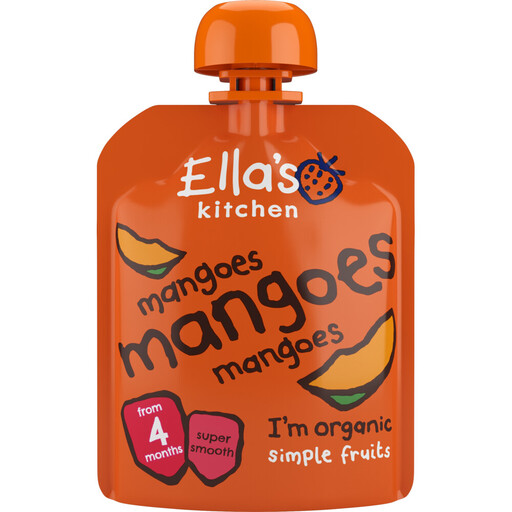
Why it suits this profile: Suitable for those who value a short ingredients list and organic baby food.
According to the product description, the recipe is limited to mango and a small amount of lemon juice; no added sugar is listed.
100% organic mango according to the product information, 70 grams and suitable from 4 months.
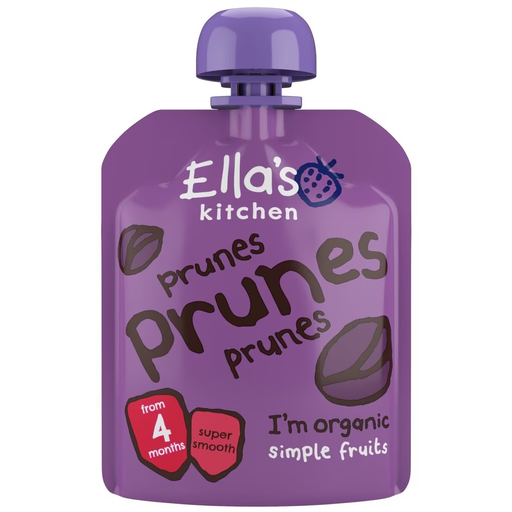
Why it suits this profile: A compact fruit purée for parents who want to take several pouches with them on outings or send them to childcare.
The label states that it contains 100% organic prunes, with no added water or sugar. However, serve the product according to the age and storage guidance.
70 grams, suitable from 4 months, gluten-free according to the product information, and suitable for freezing.
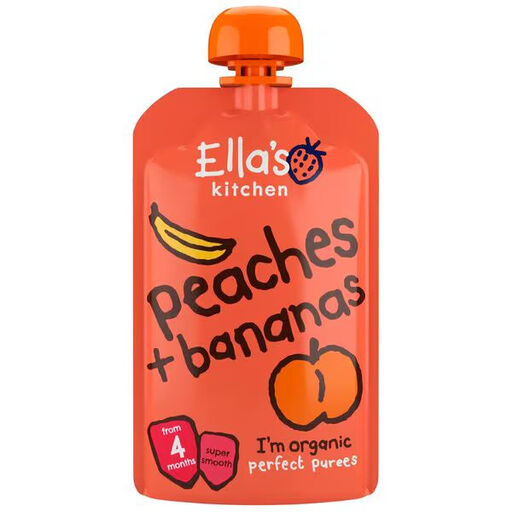
Why it suits this profile: An organic combination of peach and banana for those who want to offer fruit flavours other than apple and pear.
The product information states the ratio is 52% banana and 48% peach, with no added water or sugar.
120 grams, suitable from 4 months and, according to the product information, gluten-free and free from listed allergens.
We have put together a complete, up-to-date list of products that fully meet these strict selection criteria and the applicable European safety regulations.
The product information often says “from 4 months”, but the introduction of solid foods varies from child to child. Up to 6 months, milk remains the main source of nutrition. If you are unsure when to start, discuss it with your health visitor. Begin with small amounts and follow the instructions on the label.
This varies by brand and product. Several Ella’s Kitchen products state that an opened pouch should be refrigerated and used within 48 hours. Olvarit also often states a maximum of 48 hours for leftovers. Always check the packaging, seal any leftovers properly and do not use a product if the pouch is damaged or swollen.
“No added sugar” means that no extra sugar has been added to the recipe. The purée may still contain sugars that occur naturally in the fruit. Therefore, compare the ingredients list, nutritional values and portion size. A fruit snack is an addition to your baby’s diet, not a replacement for their main food.
