
Vandaag of morgen in huis

Kwaliteit gegarandeerd

Welkomstaanbiedingen ontgrendelen: GRATIS bezorging | Tot 80% korting | Gratis 30 dagen JoyPlus-proefperiode
Download de app
A jar or pouch of baby food may seem easy to choose. Yet there are clear differences in age suitability, ingredients, allergens, texture and storage instructions. Eye-catching packaging or claims such as “natural” do not always tell the whole story.
For parents in the Netherlands, these are the three main pitfalls to watch out for:
First, choose a product that is suitable for your child’s age. For babies from 4 months, simple fruit or vegetable purées are available, such as cauliflower, mango or plum, as well as combinations of pear, peas and broccoli. For babies from 6 months, you will also find complete baby meals containing ingredients such as chicken, potato or pumpkin, alongside breakfast products and fruit blends.
From 8 months, flavours and textures often become more varied. Think of baby meals with rice and fish or spaghetti bolognese, as well as baby desserts with yoghurt or milk. The age guidance is an important product detail, but it is not a substitute for personalised advice from your health visitor, GP or dietitian.
Check the ingredients in the order in which they appear on the label. A product containing 100% fruit, such as some organic fruit purées for babies, has a different composition from a dairy dessert or complete meal.
Pay particular attention to:
Organic baby food can be a practical choice if you value organic ingredients. However, you should still check the full ingredients list. Organic does not mean that a product is free from milk, gluten or other allergens.
A pouch is convenient when you are out and about, while a 200-gram jar may be more suitable for a complete baby meal at home. It is best to serve purée with a spoon or in a bowl, so that your child becomes more familiar with different flavours and with eating.
Different time limits apply after opening. The product information provided states, for example, that several fruit purées and meals should be refrigerated and used within 48 hours. Milk and dairy desserts may need to be used within a maximum of 24 hours. Unopened shelf-stable products can sometimes be stored outside the fridge, but always follow the instructions on the label. Also check for damaged or swollen pouches and jars.
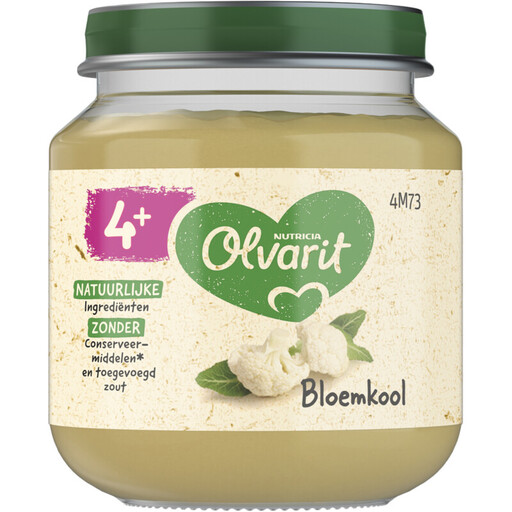
Why it suits this profile: A simple vegetable purée for a first introduction to solid food, without a long list of mixed ingredients.
The ingredients list states 100% cauliflower. This makes it immediately clear what you are offering and which allergens have been declared.
Suitable from 4 months according to the product information, 125 grams and none of the 14 main EU allergens listed.
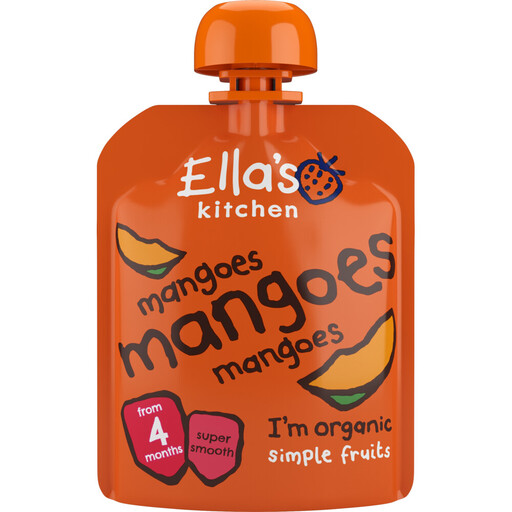
Why it suits this profile: An organic fruit purée with a short ingredients list for parents who place strong value on provenance and simplicity.
According to the product information, it contains organic mango and less than 1% organic concentrated lemon juice. No added sugar is listed.
Suitable from 4 months, 70 grams and easy to take with you. Refrigerate after opening and use within 48 hours.
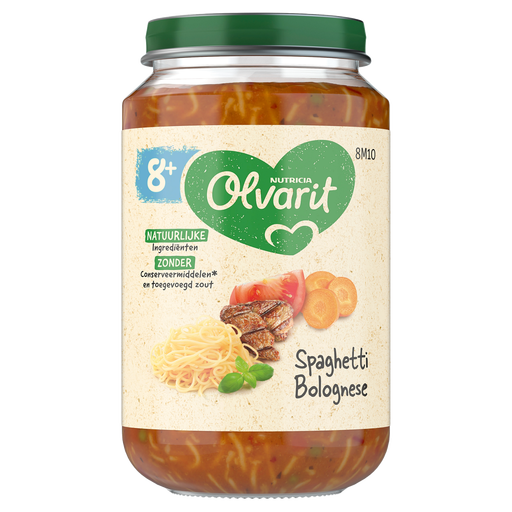
Why it suits this profile: A complete meal option for busy days when a portion of baby food needs to be ready quickly.
The product description gives the percentages of tomato, carrot, pasta and beef. This allows you to compare the meal based on its composition rather than just its flavour name.
Suitable from 8 months, 200 grams and made with pasta, egg and beef. Refrigerate after opening and use within 48 hours.
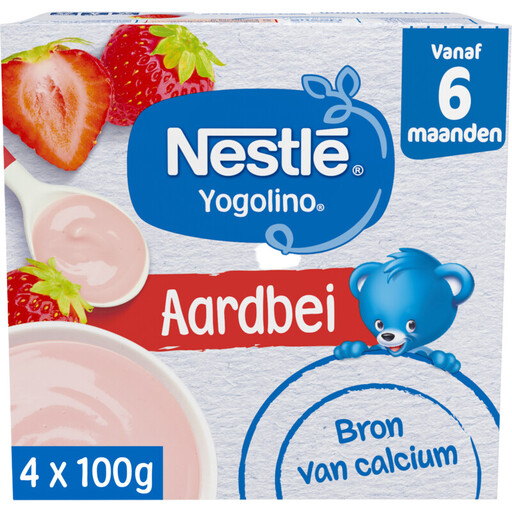
Why it suits this profile: Individually portioned dessert for parents looking for a chilled or ambient dessert option.
The product information clearly lists milk as the base and specifies a maximum storage time of 24 hours after opening. This avoids uncertainty about allergens and leftovers.
Suitable from 6 months, four 100-gram portions and, according to the product information, a natural source of calcium.
We have put together a complete, up-to-date list of products that fully meet these strict selection criteria and the applicable European safety regulations.
Baby snacks, such as organic corn puffs, are intended for specific ages and should always be given under supervision. The shape and texture of a snack do not automatically make it suitable for every child.
That depends on the product. Choose an item that clearly states it is suitable from 4 months, such as a simple vegetable or fruit purée. Follow your health visitor’s advice when introducing it, and check the texture, ingredients and allergens.
The storage period is stated on the label and varies by product. In this selection, fruit purées and meals often need to be refrigerated and used within 48 hours. Some dairy desserts have a maximum storage time of 24 hours. Store leftovers in a sealed container and do not use them if the smell, colour, packaging or condition of the product has changed.
Organic baby food may suit parents who consider organic farming important. However, it does not automatically indicate anything about the amount of sugar, allergens, portion size or suitability for a particular age. Always compare the ingredients list, nutritional information and preparation instructions.
