
Vandaag of morgen in huis

Kwaliteit gegarandeerd

Welkomstaanbiedingen ontgrendelen: GRATIS bezorging | Tot 80% korting | Gratis 30 dagen JoyPlus-proefperiode
Download de app
The choice of baby food and toddler milk seems straightforward – until you’re standing in front of a shelf or browsing a webshop full of ages, flavours, quality marks and nutritional claims. A pack labelled “natural”, “no added sugars” or “with extra nutrients” doesn’t automatically tell you whether it’s right for your child.
Watch out for three common pitfalls:
By checking the age, ingredients, allergens and storage instructions properly, you can avoid buying the wrong products and shop more purposefully.
The age on the pack is an important starting point. Baby food from 4 months, such as a fruit purée, is not automatically suitable for every baby. If you’re unsure about introducing solid foods, discuss it with your health visitor, doctor or another qualified healthcare professional.
Common categories include:
Always look at the age on the current pack. Product names and packaging can change.
A claim like “no added sugars” means the product contains no extra sugar according to the product information. It may still contain natural sugars from apple, banana, berries or other fruit. For a baby fruit smoothie, the ingredients list is therefore more useful than just the front of the pack.
Also check:
For example: Olvarit Mixed Berries contains, according to the product information, apple, banana, fermented milk, blueberry, blackberry and strawberry. The product contains naturally occurring sugars and milk. That’s relevant information when you’re comparing an Olvarit fruit variety with an organic baby food.
With powdered milk, the preparation method is no small detail. Use clean equipment, freshly boiled water that has cooled to the right temperature according to the label, and the supplied scoop. Prepared feed must be used within the time stated on the product instructions; do not keep leftovers for the next feed.
For opened fruit pouches, the rules vary by product:
A bulk pack is only good value if you can use the contents within the recommended period.
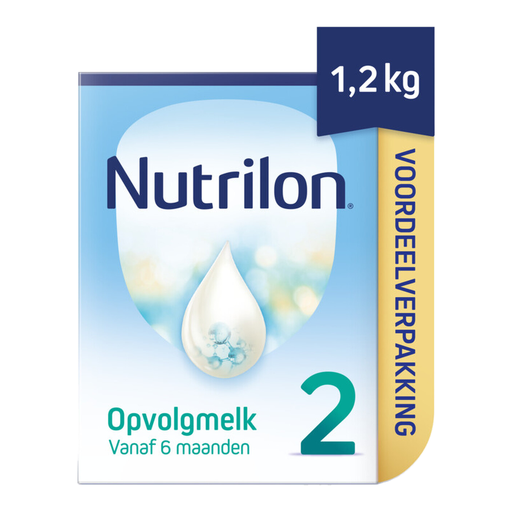
Why this fits the profile: The larger pack is practical for families who use follow-on milk regularly from 6 months and can respect the shelf life after opening.
The age indication 6+ months is clearly stated. This helps you avoid buying a product for a later stage. Always check the current pack and preparation instructions before use.
1.2 kg contents; suitable as follow-on milk from 6 months; preparation instruction of 14.4 grams powder per 100 ml water according to the product information.
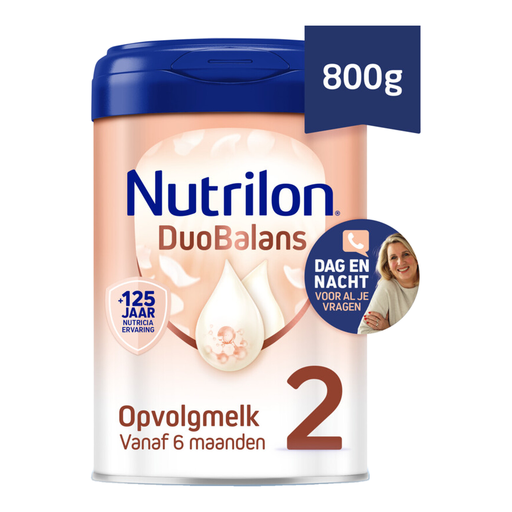
Why this fits the profile: Suitable for parents who want to compare the composition and nutritional values per prepared 100 ml, and are looking for an 800 gram pack.
The product information lists allergens such as milk, soya and fish. This allows you to compare the composition directly with other follow-on milks rather than relying solely on brand claims.
Suitable from 6 months; 800 gram contents; contains, according to the product information, DHA, GOS, FOS and 2’-fucosyllactose. Check the label for the current composition.
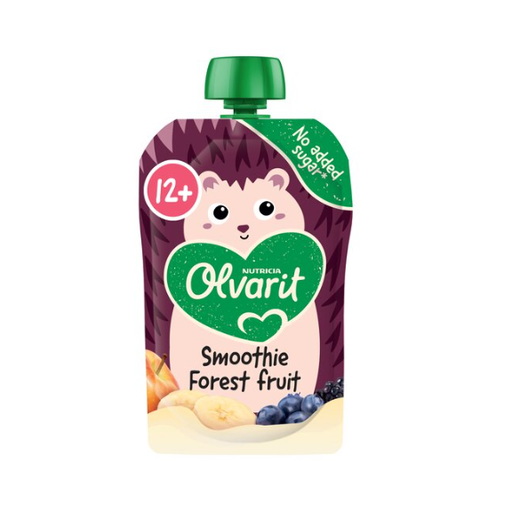
Why this fits the profile: The baby squeezy pouch is handy for a day out, childcare or a snack without needing to bring a spoon and pot.
The pack states 12 months and older, so you don’t confuse it with a baby fruit snack for a younger age. Once opened, the contents must be used within 24 hours.
100 grams per pouch; mixed berries, apple and banana according to the ingredients list; no added sugars according to the product information.
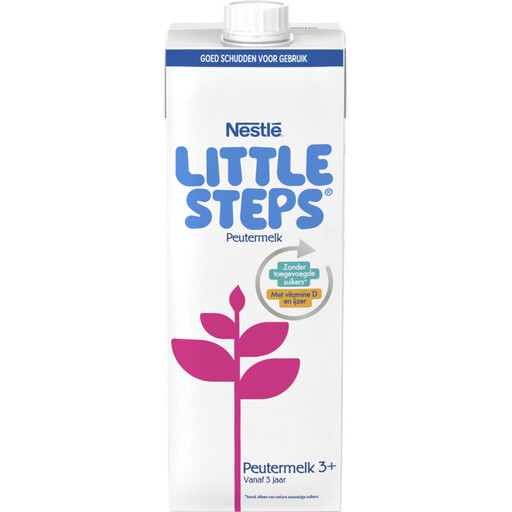
Why this fits the profile: This liquid toddler milk from 3 years is suitable for families who don’t want to measure out powder and can keep a litre pack in the fridge.
The age limit from 3 years is clearly stated. This helps you avoid buying toddler milk for a younger stage. Once opened, the pack must be kept refrigerated and used within 48 hours.
1 litre liquid milk; no added sugars according to the product information; contains milk and soya as allergens.
We’ve put together a full, up-to-date list of products that fully meet these strict selection criteria and comply with current European safety regulations.
For a younger baby, a product like Ella’s Kitchen Banana + Coconut from 4 months may appeal to parents looking for an organic baby food with a short ingredients list. The product information states banana, coconut milk and lemon juice, with no added sugars. Ella’s Kitchen The Yellow One is suitable from 6 months according to the product information.
For children from 12 months, drinking porridge from 12 months can be handy as a quick breakfast or snack. Bambix Drinkable Porridge Biscuit comes as three packs of 250 ml. Shake the pack well and check the temperature before serving.
Follow-on milk from 6 months is intended for babies in the stage from 6 months, as part of a varied diet. Toddler drinks are intended for older children, for example from 1 or 3 years. Never rely solely on the brand name: check the age indication and preparation instructions on the pack.
This varies by brand and product. For the Olvarit squeezy pouches mentioned, according to the product information: keep refrigerated and use within 24 hours. Some Ella’s Kitchen products state a maximum of 48 hours in the fridge. Always follow the label on your pack.
No. Fruit purée can contain natural sugars. “No added sugars” means that no extra sugar has been added according to the product information. So compare the ingredients list and nutritional value, and offer a squeezy pouch or smoothie as part of a varied diet.
