
Vandaag of morgen in huis

Kwaliteit gegarandeerd

Welkomstaanbiedingen ontgrendelen: GRATIS bezorging | Tot 80% korting | Gratis 30 dagen JoyPlus-proefperiode
Download de app
Choosing baby food and toddler milk seems straightforward until you are faced with a shelf or online selection containing dozens of options. Age, preparation method, allergens, packaging and brand claims all play a part. Choosing incorrectly can result in a product that is unsuitable for your child’s age, difficult to prepare or left unused in the cupboard.
A familiar brand does not automatically mean that every variant is suitable for your child. Nutrilon baby food, Hero Baby follow-on milk and other brands have different numbers and age stages. Always check whether the product is intended for:
The age stated on the packaging is the deciding factor. Standard powdered milk, such as milk powder for children from 2 years, is not the same as infant formula.
Products containing fibre, vitamins or special ingredients are sometimes promoted as though they solve a specific problem. This should be viewed in context. According to a brand’s own research or product information, certain nutrients may contribute to normal bodily function, but this is not a guarantee for every child.
Extra care is needed with food for reflux. Nutrilon Nutriton contains pre-cooked carob bean gum and is described as a supplement that thickens feeds. It is not complete nutrition and, according to the stated instructions, may only be used under medical supervision. Speak to your health visitor, midwife or doctor first.
The correct ratio of water to powder is important. Adding an extra scoop does not automatically make the feed more nutritious and may pose risks. Also pay attention to:
Always follow the label on the chosen packaging. Product information online may change, and the packaging may contain additional instructions.
Do not just look for terms such as “toddler milk” or “follow-on milk”; check the specific age. Examples from the range include:
When changing products, check the recommendations of a healthcare professional, particularly for young babies or specific nutritional needs.
European regulations for infant formula set requirements for composition and labelling. Even so, products differ in areas including milk ingredients, sources of fat, fibre and added nutrients. Compare the ingredients list and nutritional information table rather than looking only at the front of the box.
Pay particular attention to:
If your child has an allergy, growth problem or persistent symptoms, the choice should be made with a doctor or dietitian.
An automatic formula maker can save time, but it does not replace checking the settings. According to the product description, the Baby Brezza Formula Pro works with quantities from 60 to 300 ml and is suitable for many brands and standard bottles. Before use, check that the selected powder setting is suitable for your formula.
The reservoir, funnel and water tank need to be cleaned regularly. For the Formula Pro Mini, daily cleaning of the water tank is specified. Use fresh drinking water and do not leave the appliance running unattended. An appliance is particularly useful when preparing several bottles a day; for occasional use, preparing feeds by hand may be more cost-effective.
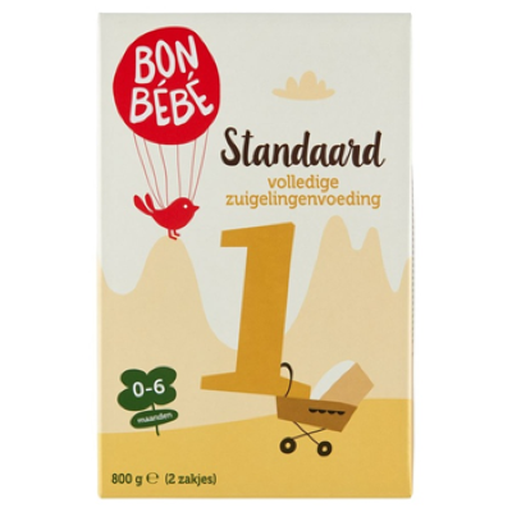
Why it suits this profile: A straightforward starting option for parents looking for complete infant formula for 0 to 6 months and who want to follow the preparation instructions carefully.
The age stage is clearly stated. The packaging also provides guidance on storage, measuring and use after opening.
800 g pack; contains milk, fish and soya according to the product information.
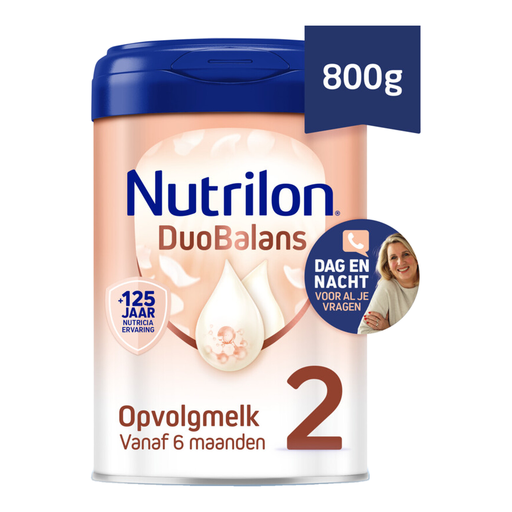
Why it suits this profile: Suitable for parents comparing follow-on milk from 6 months with a detailed ingredients list and clear measuring instructions.
The recommended ratio is stated clearly: 14.6 g of powder per 100 ml of water. This means you do not have to rely on a marketing claim.
Suitable from 6 months; contains milk, soya and fish, among other ingredients.
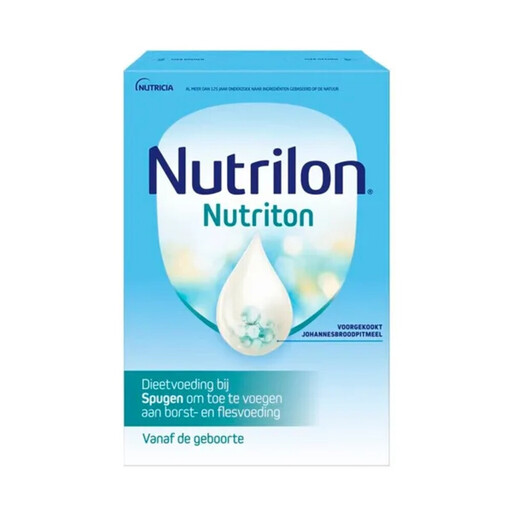
Why it suits this profile: For parents looking for a thickening product to supplement breast or bottle feeds on the advice of a healthcare professional.
The product information explicitly states that it is not complete nutrition and must be used under medical supervision.
Contains pre-cooked carob bean gum; 135 g pack; suitable from birth, but not for premature babies.
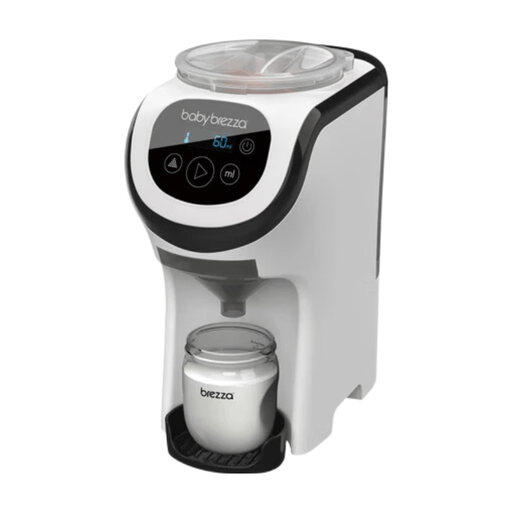
Why it suits this profile: Convenient for households with several bottle feeds a day, a small kitchen or regular time spent away from home.
The machine offers adjustable quantities from 60 to 300 ml and has a removable water tank. However, checking the settings and cleaning remain your responsibility.
Compact size; prepares feeds at approximately 37 °C; airtight powder reservoir; dishwasher-safe water tank.
We have put together a complete, up-to-date list of products that fully meet these strict selection criteria and the applicable European safety regulations.
This varies by product. Many milk powders should be used within approximately four weeks of opening, while some products state a shorter period. Store powder in a dry place, tightly sealed and at room temperature, unless the label says otherwise. Prepared formula usually has a much shorter use-by period. Always check the packaging.
Not necessarily. You pay for the appliance and need to factor in cleaning and maintenance. If you prepare several bottles a day, an automatic formula maker can save time. With only occasional bottle feeds, a clean bottle, measuring spoon and water are often the more economical solution.
Look at the stated age stage: toddler milk from 1 year, toddler milk from 2 years or toddler milk from 3 years. Standard milk powder for children from 2 years is not suitable for babies under 2 and is not a substitute for infant formula. Read the ingredients and allergens, and ask a healthcare professional for advice if you are unsure.
