
Vandaag of morgen in huis

Kwaliteit gegarandeerd

Welkomstaanbiedingen ontgrendelen: GRATIS bezorging | Tot 80% korting | Gratis 30 dagen JoyPlus-proefperiode
Download de app
Choosing the right baby food seems simple until you start comparing labels. Age recommendations, claims such as “no added sugar” and terms like “organic” don’t always tell the whole story. Even convenient packaging can be less practical if you need to refrigerate it quickly after opening or throw away leftovers.
This guide explains what to look for in baby purées, baby meals, fruit purées for babies, baby porridge and baby snacks. The recommendations are based on verifiable product information, such as ingredients, allergens, pack size, age guidance and storage instructions.
A product with a smooth texture isn’t automatically suitable for a younger baby. Always check the age recommendation on the packaging. The range includes:
The recommended age isn’t just a marketing detail: it also reflects the intended texture and ingredients. Always follow advice from your health visitor or another healthcare professional when introducing solid foods.
A product with no added sugar can still contain naturally occurring sugars. This applies to fruit, dates and milk, for example. According to the product information, De Kleine Keuken’s organic dates contain no added sugars, but do contain naturally occurring sugars.
So compare the ingredients list and nutritional information per 100g. Check the serving size, too. A small snack pot may seem like a sensible portion, but having several in a row will naturally provide more sugar and energy.
Organic baby food may suit parents who value organic ingredients. However, it doesn’t automatically mean a product is allergen-free, low in sugar or suitable for every age. Always check:
Start by considering the mealtime and your baby’s stage of development. Simple products with one main ingredient are easy to compare when you’re introducing first tastes. According to the product information, Olvarit cauliflower purée for babies from 4 months contains 100% cauliflower and comes in a 125g pot.
For a meal from 6 months, you could look for a combination of vegetables, potato and chicken. According to the label, Olvarit’s pumpkin, chicken and potato meal contains 43% pumpkin, 8% chicken, 8% carrot and 8% potato, among other ingredients. From 8 months, you’ll find combinations with pasta, rice or fish, such as courgette with hake and rice.
Also check the pack size. 125g pots are handy for a first taste or a small portion. Packs of 200 to 250g may be more practical for a full meal, but check how long leftovers will keep once opened.
Don’t just read the front of the pack. According to the product information, fish is listed as an allergen in Olvarit courgette, white fish and rice. Junior Cereals Multifruit baby porridge contains several gluten-containing cereals, including wheat, oats, rye and barley. Bambix drinkable biscuit porridge contains milk, gluten-containing cereals and egg, among other ingredients.
This makes comparing labels important when introducing allergens one at a time. Keep the packaging or make a note of what your child has eaten, so it’s easier to look back if they have a reaction. If you’re unsure about allergies or introducing foods, speak to a healthcare professional.
The storage life after opening varies by product. According to the product information, several jars of baby food should be kept sealed in the fridge and used within 48 hours. Nestlé Yogolino should be used within 24 hours of opening. Bambix drinkable porridge should be refrigerated after opening and, according to the product information, used within 72 hours.
Always check the packaging, especially if the online product information differs from the physical label. Don’t reheat leftovers or keep any food that has already been fed to your baby from the pot.
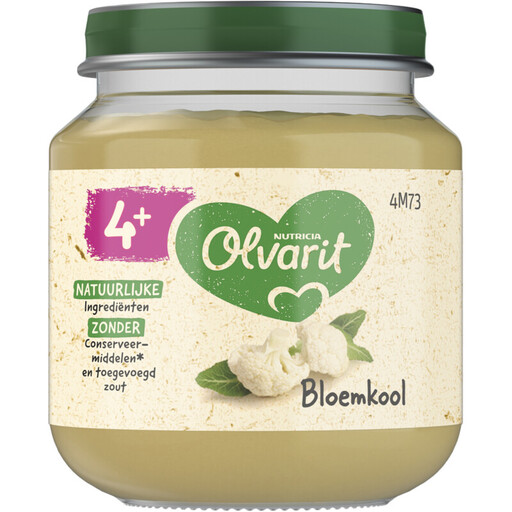
Why it suits this shopping need: A small portion with just one vegetable is practical when you’re introducing first tastes and don’t want to open several pots at once.
The age guidance of from 4 months and the simple ingredients list are clearly stated. According to the product information, the product contains none of the 14 major EU allergens.
125g, 100% cauliflower according to the ingredients list, and no preservatives according to the product information.
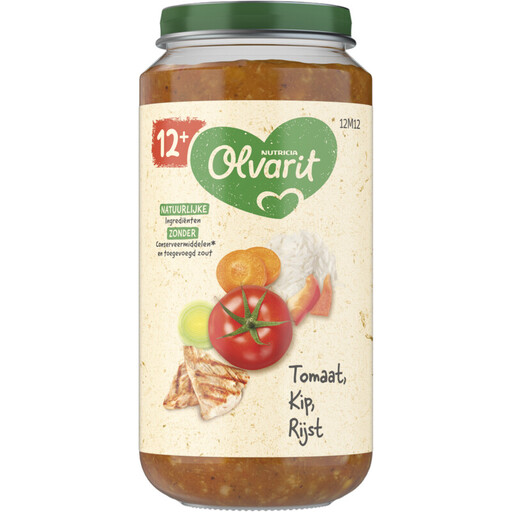
Why it suits this shopping need: A larger meal portion for children from 12 months, with tomato, rice, carrot and chicken in one pack.
The ingredients and the gluten allergen are listed. This means you can compare the product without relying only on terms such as “natural”.
250g, 8% chicken according to the ingredients list, and clear storage guidance of up to 48 hours after opening.
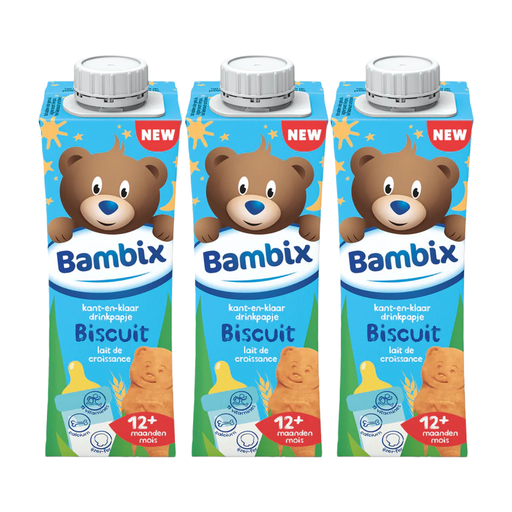
Why it suits this shopping need: The three individual packs are handy for parents who regularly take a drinkable porridge option with them or use one at home.
The product states that it is for ages 1 to 3 years, lists allergens such as milk, egg and gluten, and instructs you to refrigerate it after opening.
3 x 250 ml, can be served cold or warm, and is fortified with vitamins and minerals according to the product information.
We’ve put together a complete, up-to-date list of products that meet these strict selection criteria and current European safety requirements.
From 4 months, parents often choose smooth, simple purées, such as vegetable or fruit purée. According to the product information, Olvarit pear purée 4M+ contains 99.98% pear and comes in a 125g portion. Always check your health visitor’s advice and the instructions on the label.
It varies by product. Several jars can be kept in a sealed container in the fridge for up to 48 hours. Dairy desserts may have a shorter storage period, while unopened drinkable porridge can be stored outside the fridge. Always follow the packaging, as its guidance takes precedence.
No. Organic refers to how the ingredients are produced; it doesn’t automatically indicate the age suitability, allergens, sugar content or texture. So compare the ingredients list, nutritional information, age recommendation and storage instructions before you buy.
