
Vandaag of morgen in huis

Kwaliteit gegarandeerd

Welkomstaanbiedingen ontgrendelen: GRATIS bezorging | Tot 80% korting | Gratis 30 dagen JoyPlus-proefperiode
Download de app
Choosing the right baby food seems simple, until you’re faced with a shelf full of jars, porridge, fruit purées and baby snacks. Cheerful packaging tells you little about the recommended age, allergens or how long a product keeps once opened. Terms such as “natural”, “organic” and “no added sugar” don’t tell the whole story either.
For parents and carers in the Netherlands, there are three key pitfalls to watch out for:
Baby food from 6 months is generally intended to complement breast or bottle feeding. Don’t just look at the number on the front of the pack; check the texture too. A smooth purée, a meal with soft pieces and a baby snack each call for different eating skills.
Examples from the range:
If you’re unsure about starting solid foods, introducing allergens or what’s suitable for your child, always follow the advice of your health visitor or doctor.
Don’t just compare the front of the jar. Check the full ingredients list and allergen information. This is particularly important for ingredients such as milk, egg, fish, wheat and other cereals containing gluten.
A few practical examples:
Organic baby food may be a suitable choice if you’re specifically looking for organic ingredients. Even then, check the ingredients, portion size and allergens. “Organic” doesn’t automatically mean a product is suitable for every age or situation.
A small pack is handy for trying a new flavour, while a larger pack may be more practical for a full meal. Check the net quantity rather than just the number of jars.
Storage instructions vary:
Always follow the information on the packaging. Packaging may change and may contain more information than the online product page.
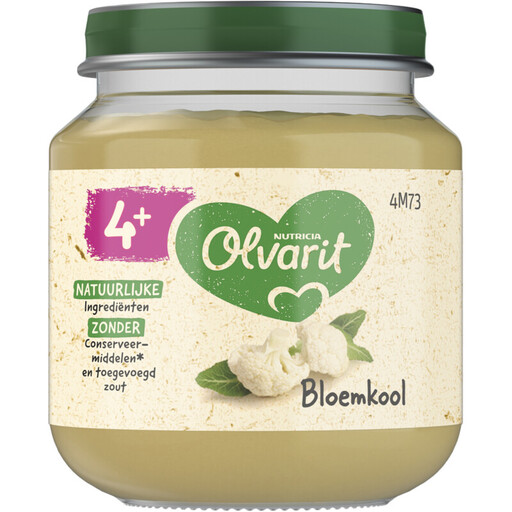
Why it suits this profile: The 125g portion and single-ingredient recipe are practical when you’re carefully introducing new flavours.
The ingredients list states that it contains 100% cauliflower, and according to the description, the product contains none of the 14 major EU allergens. Always check the current packaging.
Suitable from 4 months according to the product information; 125g; single-vegetable variety.
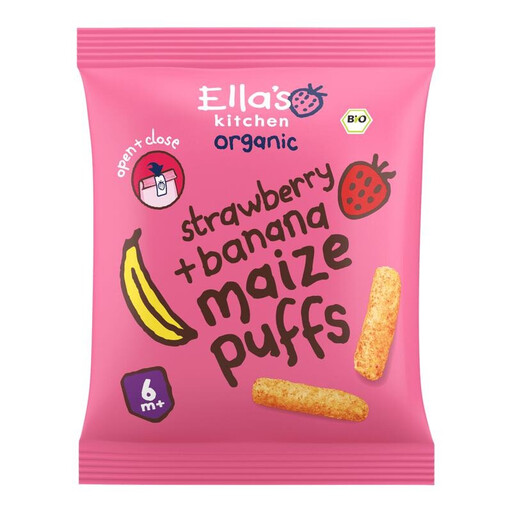
Why it suits this profile: This organic baby snack is for parents who look for organic ingredients and want to encourage independent eating.
The packaging states that the portion is 20g, contains no added sugar and may contain traces of milk and soya. This makes it easier to compare the snack with others.
Organic; suitable from 6 months according to the product information; resealable packaging.
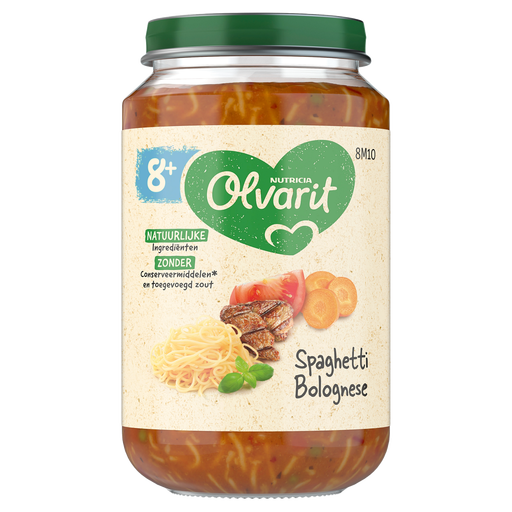
Why it suits this profile: Handy for busy days when you need a complete baby meal for children from 8 months, ready to serve in no time.
The product information lists the quantities of tomato, carrot, pasta and beef separately. It also states that the product contains gluten and egg, and may contain traces of mustard.
200g portion; suitable from 8 months; can be kept for up to 48 hours after opening.
We’ve put together a complete, up-to-date list of products that meet these strict selection criteria and the applicable European safety regulations.
The age recommendation on a product is the manufacturer’s guidance. In the Netherlands, solid foods are often introduced at around 6 months, but every child develops differently. Talk to your health visitor about when to start, especially if you have concerns about swallowing, allergies or moving on from milk feeds.
It depends on the product. Many opened jars and meals need to be refrigerated and used within 48 hours. Porridge, dairy desserts and ready-to-drink porridge may have different storage times. Always check the packaging and store leftovers according to the instructions provided.
Choose a snack that suits your child’s age and eating skills. Consider its texture, potential allergens, portion size and sugar content. It’s still important to supervise your child while they’re eating organic baby snacks. A product with no added sugar isn’t necessarily low in naturally occurring sugars; check the ingredients list and nutrition table for more detail.
