
Vandaag of morgen in huis

Kwaliteit gegarandeerd

Welkomstaanbiedingen ontgrendelen: GRATIS bezorging | Tot 80% korting | Gratis 30 dagen JoyPlus-proefperiode
Download de app
Choosing the right baby food might seem straightforward – until you’re standing in front of a shelf or browsing a webshop full of jars, pouches and desserts. Age labels vary, ingredient lists can be long, and terms like “natural” or “wholesome” don’t always tell you exactly what you’re buying.
Parents and carers usually focus on three things: does the product suit the baby’s age, what’s in it, and is it convenient to use? With these checkpoints, you can compare fruit purées, vegetable purées, meals and a baby dessert without being swayed by the packaging alone.
A picture of fruit doesn’t tell you how much fruit is actually inside. Always check the ingredients list and percentages. For example, Olvarit Apple Strawberry Banana 8M+ states 36.32% apple, 20% strawberry and 20% banana. With Olvarit Apple-Banana-Orange, the product information shows the composition is 78% apple, 18% banana and 4% orange juice.
Also pay attention to the difference between no added sugars and “sugar-free”. Fruit naturally contains sugars. The Olvarit fruit products mentioned, along with various Ella’s Kitchen products, contain no added sugars according to the product description, but they do contain naturally occurring sugars.
Baby food labelled from 4 months is not automatically suitable for a younger child. Check the age on the packaging and consider your child’s development. A smooth fruit purée for babies may be formulated differently from a baby meal for older children with more texture.
The range includes products for:
The age indication is a product information point, not personal dietary advice. If you’re unsure about introducing foods or allergens, consult your health visitor or another qualified healthcare professional.
A baby pouch is easy to take with you, but it doesn’t necessarily serve the same purpose as a meal. A fruit purée for babies is typically intended as a fruit moment or snack. A vegetable purée for babies with chicken, rice or potato may be more suitable for a mealtime.
So look at:
First, choose the age category stated on the product. Then pay attention to the texture. A smooth purée is practical for the first introduction to solid foods. For older babies, a product with a thicker texture can help introduce different textures, depending on what your child is already used to.
Read the full ingredients list, even if the front says “pure” or “natural”. Especially check for milk, yoghurt, oats, gluten and other ingredients your child might be sensitive to.
If you’re looking for organic baby food, look for the mention of organic ingredients and the EU organic logo on the packaging. Ella’s Kitchen states 100% organic ingredients for several products, such as Mangoes 4M+ and Pears, Peas & Broccoli 4M+. Always check the current packaging, as product information can change.
For a product with a brand claim about composition or origin, the following applies: according to the brand’s own product information, the product contains the stated ingredients or organic components. Judge this based on the label, not just on advertising claims.
Storage instructions vary by product. Many fruit purées and meals need to be stored in the fridge after opening and used within 24 or 48 hours. According to the product information, Nestlé Yogolino can be stored at room temperature unopened; after opening, it must be refrigerated and used within 24 hours.
Do not use damaged or swollen packaging. Do not heat a pouch in the microwave. For products that can be warmed in hot water, always check the temperature before serving.
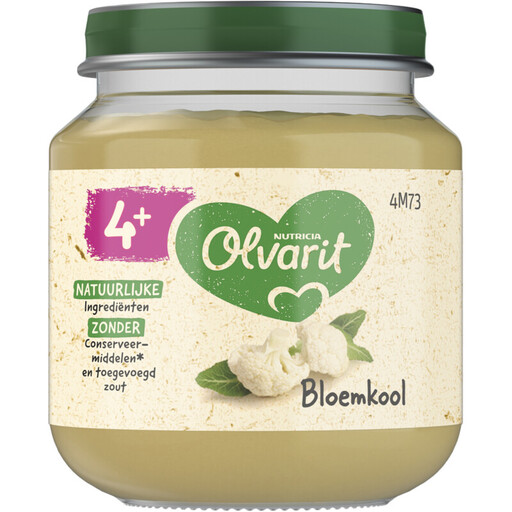
Why this fits the profile: A straightforward first vegetable purée with one main ingredient and a 125-gram portion.
The ingredients list states 100% cauliflower, so you don’t have to guess which vegetable is the star.
Suitable from 4 months according to the product information; contains none of the 14 listed EU major allergens.
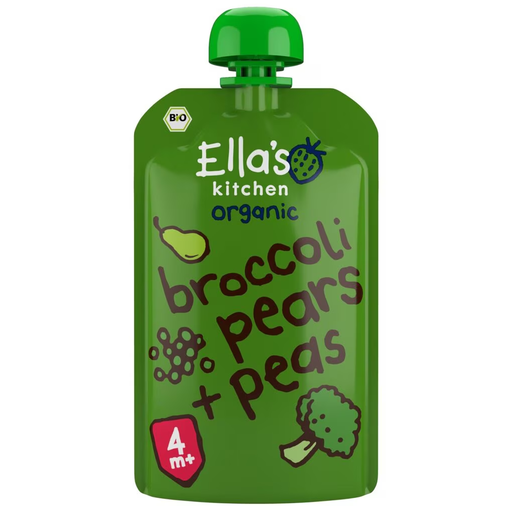
Why this fits the profile: For those who value organic ingredients and a combination of fruit and vegetables.
The product information states 60% organic pear, 30% organic peas and 10% organic broccoli, with no added water.
Suitable from 4 months; 120-gram pouch; according to the product information, gluten-free.
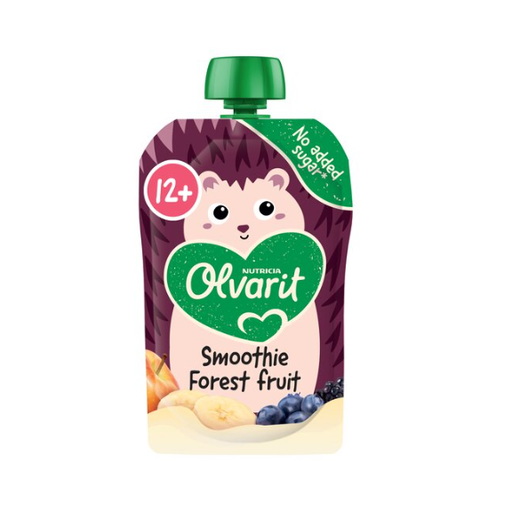
Why this fits the profile: Handy for families who regularly take a snack on the go from 12 months.
The packaging and product information clearly state 12M+ and no added sugars; natural sugars remain present.
100 grams; resealable and store in the fridge; according to the product information, use within 24 hours.
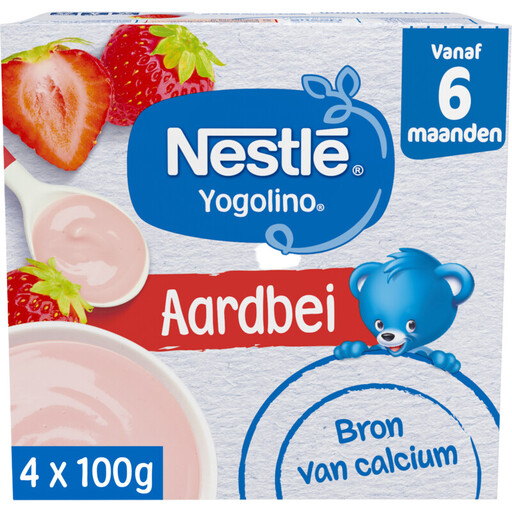
Why this fits the profile: A practical choice for a gentle dairy moment at home, with no refrigeration needed before opening according to the product information.
The pack contains four 100-gram portions, so you don’t automatically have to store a large opened pack.
Suitable from 6 months; dairy product with strawberry purée; unopened, it can be stored at room temperature.
We’ve put together a full, up-to-date list of products that fully meet these strict selection criteria and comply with current European safety regulations.
Look for a product from the age stated on the packaging and choose a simple purée with a smooth texture. A product like cauliflower purée with one clear main ingredient makes it easier to introduce new flavours separately. Always follow the usage instructions on the packaging.
This varies by product. Many jars and pouches need to be stored in the fridge and used within 24 or 48 hours. Always check the label. Discard any leftovers if the packaging is damaged, the product smells unusual or the storage time has passed.
A baby pouch is mainly handy as a fruit moment or snack, for example on the go. It doesn’t need to replace a full meal. Alternate fruit purées with vegetable meals and meals that suit your child’s age and development. Consider the portion size, ingredients and any allergens.
