
Vandaag of morgen in huis

Kwaliteit gegarandeerd

Welkomstaanbiedingen ontgrendelen: GRATIS bezorging | Tot 80% korting | Gratis 30 dagen JoyPlus-proefperiode
Download de app
Finding a suitable pack of baby food seems simple, until you compare the age guidance, ingredients list and storage advice. A cheerful pack or words such as “natural” and “organic” don’t automatically mean a product is right for your baby’s stage of feeding.
The most common pitfalls:
The age guidance is a useful starting point, not a substitute for personal advice. If you’re unsure about introducing solid foods or allergens, or about your baby’s development, speak to your health visitor or a doctor.
For a first introduction, simple baby foods with one main ingredient make it easier to see how your baby responds to a new flavour. A product such as a 100% cauliflower purée has a simple ingredients list and a smooth texture. Fruit purée is another option, but alternate sweet and savoury flavours.
Check:
Baby food from 6 months includes vegetable purée, fruit purée and complete baby meals. At this stage, you can try combinations of vegetables, potato, rice, pasta, meat or fish, as long as they fit your feeding plan.
A meal such as pumpkin, chicken and potato contains 43% pumpkin, 8% chicken and 8% potato, according to the product information. This makes it easy to check what’s in it. If a product contains fish, pay particular attention to the allergen information. For example, courgette with hake and rice contains fish.
From 8 months, you’ll find more baby meals with soft lumps, pasta or rice. Products such as Ella’s Kitchen organic pasta with vegetables are described as suitable for babies from 8 months and contain soft pieces to help them get used to chewing.
For snacks, there are fruit purées and baby snacks, such as corn sticks or fruit bars. Follow the age guidance and supervise your baby while they eat. A snack is an addition to meals, not a replacement for a varied diet.
First choose the right feeding stage, then check the texture. A smooth 125-gram purée can be handy for a first taste. A 200-gram meal is more suitable once your baby is familiar with several ingredients.
Check whether the pack describes the product as:
Age guidance is product information. Every child develops differently.
Read the full ingredients list, even if the front says “organic” or “no added sugar”. Check for:
A fruit purée made almost entirely from pear has a different composition from a fruit product with yoghurt. According to the product information, Olvarit pear contains 99.98% pear and L-ascorbic acid. The pear, apple and yoghurt variety contains milk as an allergen.
Even with organic baby food, it’s important to check the age guidance, portion size, texture and allergens. Organic describes where the ingredients come from, but doesn’t automatically mean a product is right for every baby.
Unopened jars, pouches and drinkable porridge often have specific storage requirements. Once opened, they usually need to be used within a short time:
Always follow the pack instructions. Check that a pouch isn’t damaged or swollen, and heat baby food evenly. Taste it or check the temperature before serving.
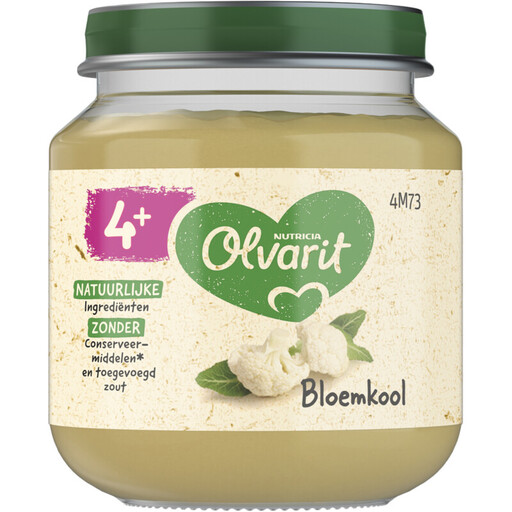
Why it suits this profile: A small portion with one vegetable is handy for introducing first tastes and means you don’t need to open several jars straight away.
According to the product information, this purée is made from 100% cauliflower and contains none of the 14 major EU allergens.
125 grams, a simple composition and can be kept chilled for up to 48 hours after opening.
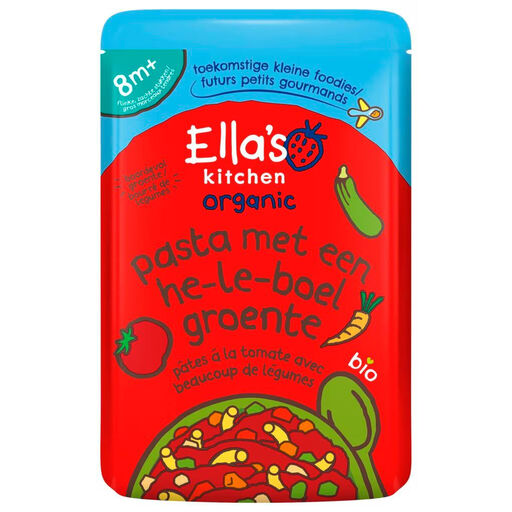
Why it suits this profile: An organic pasta meal with soft pieces, for families who pay attention to ingredients and texture.
The pack clearly states that it’s suitable from 8 months, contains soft pieces and lists allergens such as wheat and egg.
A 100% organic baby meal, weighing 190 grams and containing only naturally occurring sugars, according to the product information.
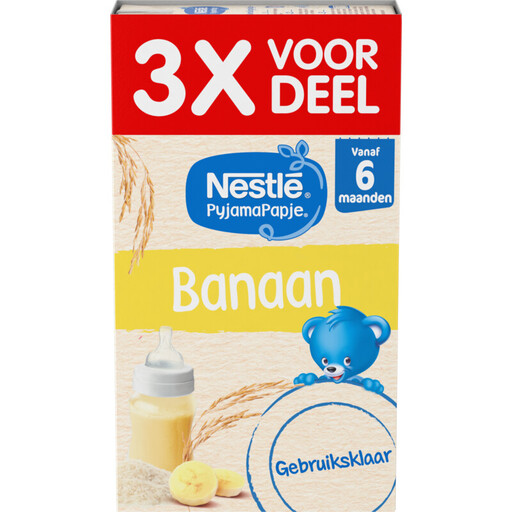
Why it suits this profile: Handy for carers looking for a ready-to-serve porridge option for the evening.
The pack states that it’s ready to eat, suitable from 6 months and gluten-free; milk is listed as an allergen, so it’s still important to check.
A 3-pack of ready-to-serve rice porridge; can be stored unopened at room temperature and kept chilled for up to 24 hours after opening.
We’ve put together a complete, up-to-date list of products that meet these strict selection criteria and the current European safety regulations.
Following the feeding advice you’ve received for your baby, start with small amounts and a simple flavour, such as cauliflower, carrot, pear or apple. A product with one main ingredient makes it easier to introduce new flavours. Always check the age guidance and preparation instructions.
It varies by product. Many opened jars and meals should be kept chilled and used within 48 hours. Some ready-to-serve porridge products state 24 hours, while a drinkable porridge may say it can be kept for up to 72 hours. Always follow the label on the specific product.
No. An organic certification or claim tells you something about how the ingredients were produced. You should also check the age guidance, texture, portion size, allergens and ingredients. This helps you choose baby food that’s better suited to your baby’s feeding stage and everyday needs.
