
Vandaag of morgen in huis

Kwaliteit gegarandeerd

Welkomstaanbiedingen ontgrendelen: GRATIS bezorging | Tot 80% korting | Gratis 30 dagen JoyPlus-proefperiode
Download de app
A jar of baby food or a squeeze pouch might seem like an easy choice. But small differences in age guidance, ingredients and storage times can make a big difference. A pack labelled “organic”, “natural” or “no added sugar” doesn’t automatically mean the product is right for your child or the occasion.
The three most common pitfalls:
Start with the age shown on the label. Examples include baby food from 4 months, baby food from 6 months, baby food from 8 months, and varieties for 12, 15 or 18 months. Also consider the texture:
Always check that the age guidance matches the information on the current packaging. Product information on a webshop may change.
Read the ingredients from top to bottom. Ingredients are usually listed in descending order by weight. Look out for:
For example, according to the product information, Olvarit Carrot Chicken Potato for babies from 8 months contains carrot, potato, tomato purée, chicken and wheat starch. The product is described as free from milk and gluten-containing cereals, but it does contain wheat. So always check the allergen information on the packaging.
Organic baby food may be worth considering if you specifically want ingredients from organic farming. Check for the official organic certification mark and read the full ingredients list: “organic” doesn’t automatically tell you anything about portion size, texture or sugar content.
A baby food pouch is handy when you’re out and about, but it’s best to serve the contents on a spoon if your child is still learning to eat. Drinking straight from the pouch may also be less suitable when they’re practising with different textures.
For jars and pouches, check:
A product with four small portions can be handy for several mealtimes. A large jar of baby food may seem better value, but it’s only practical if you’ll use the contents within the recommended storage period.
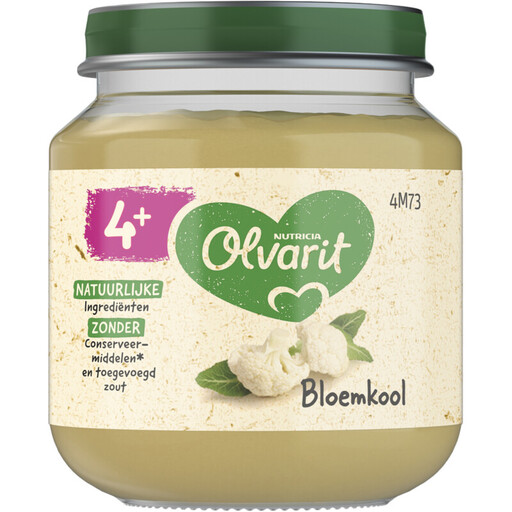
Why it suits this need: A small portion with one main vegetable is a straightforward way to introduce solid food for the first time.
The product information states that it contains 100% cauliflower and none of the 14 major EU allergens. Check the packaging when you buy it.
125g; designed for first tastes; no preservatives according to the product description.
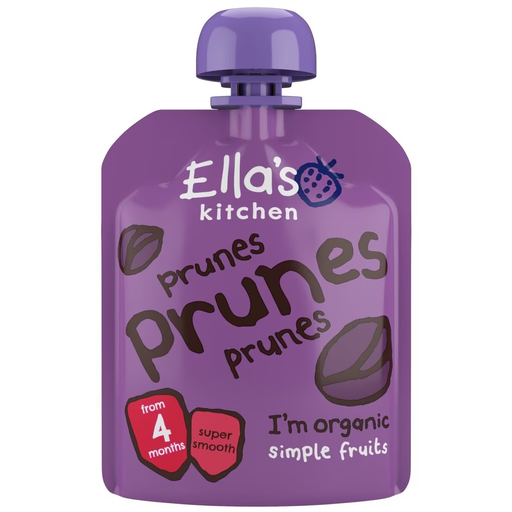
Why it suits this need: According to the product information, this organic fruit purée is made from 100% prunes and comes in a handy compact portion.
The ingredients list is short and contains no added sugar or water. The naturally occurring sugars in prunes are still present.
70g; organic; gluten-free according to the product information; store unopened in a cool, dark place.
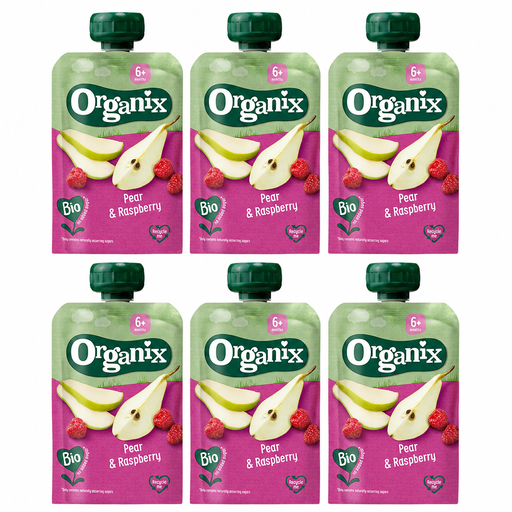
Why it suits this need: Six 100g portions are handy for nursery, days out or keeping in the cupboard at home.
The resealable squeeze pouch helps prevent mess when you’re on the move. For young children, it’s best to serve the purée on a spoon and follow the instructions on the label.
Organic fruit purée; six pouches; 100g per portion; no added colourings according to the product information.
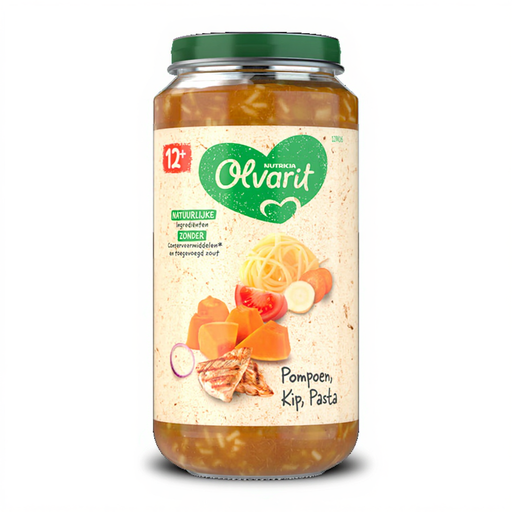
Why it suits this need: The 250g portion is a good fit for a larger mealtime for a child aged 12 months or over.
The product page clearly lists the age guidance, contents and allergens: the product contains egg and gluten. This makes it easier to compare with other options.
250g; a combination of pumpkin, chicken and pasta; no added salt according to the product information.
We’ve put together a complete, up-to-date list of products that meet these strict selection criteria and current European safety regulations.
It depends on your child’s development and your health visitor’s advice. Products for babies from 4 months are often smooth and made with simple ingredients, such as cauliflower or fruit purée. Start with small amounts and check the ingredients and allergens.
It varies by product. The product information for several jars states that leftovers should be covered, refrigerated and used within 48 hours. Ella’s Kitchen BIO Prunes should be used within 48 hours of opening; Ella’s Kitchen chicken meal should be used within 24 hours. Always follow the instructions on your pack.
No. A baby dessert, such as Nestlé Yogolino Strawberry from 6 months, is intended as a dessert or snack according to the product description. It contains milk and fruit and can be stored unopened outside the fridge. Don’t treat it as a complete baby meal, and check the age guidance and storage instructions.
