
Vandaag of morgen in huis

Kwaliteit gegarandeerd

Welkomstaanbiedingen ontgrendelen: GRATIS bezorging | Tot 80% korting | Gratis 30 dagen JoyPlus-proefperiode
Download de app
The move to solid foods brings plenty of choices. Are you looking for baby food from 4 months, a complete meal for a toddler or handy baby food pouches for when you’re out and about? Packaging often highlights claims such as organic, natural, no added sugars or extra vitamins. These terms don’t always tell you whether a product is right for your child, the occasion or your stock cupboard.
Look out for these three common pitfalls:
So a convenient pack isn’t automatically the right choice. Consider the age guidance, ingredients, allergens, texture, portion size and how long the food will keep after opening.
The age guidance on the pack is a useful starting point. Products for baby food from 4 months are often smoothly puréed and designed to introduce new flavours. A product from 6 months may contain vegetables, fruit, dairy or a combination. From 8 months, you’ll often find soft pieces, helping your child gradually get used to more texture.
Examples from the range:
Age labels don’t replace individual feeding advice. Follow the instructions on the packaging and, if you’re unsure, speak to your health visitor before introducing new foods.
Don’t just compare the front of the pack. Check the order of the ingredients: those listed first are generally present in the greatest amounts. Also look out for milk, egg, cereals containing gluten, soya, nuts and other allergens.
For example:
“Organic baby food” may suit your preference for the origin of the ingredients, but always check the full composition. Organic doesn’t automatically mean a product is suitable for every age or diet.
A 200-gram jar can be handy at home, while a pouch is a better fit for a changing bag. Storage times after opening vary by product. Many fruit purées should be used within 24 to 48 hours when kept in the fridge. Some meals should be used within 24 hours of opening.
Also check:
Eating straight from a baby food pouch can be practical at times, but serving it on a spoon helps encourage a calm mealtime.
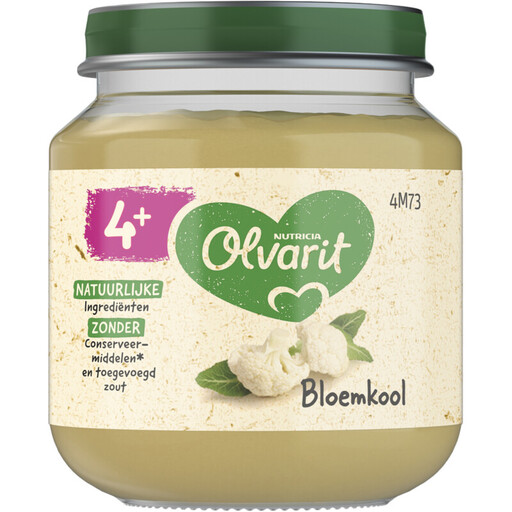
Why it suits this profile: A straightforward portion for parents who want to start with one vegetable flavour.
The age guidance and simple ingredients list make it clearer what you’re buying.
125 grams, 100% cauliflower according to the product information, and no preservatives.
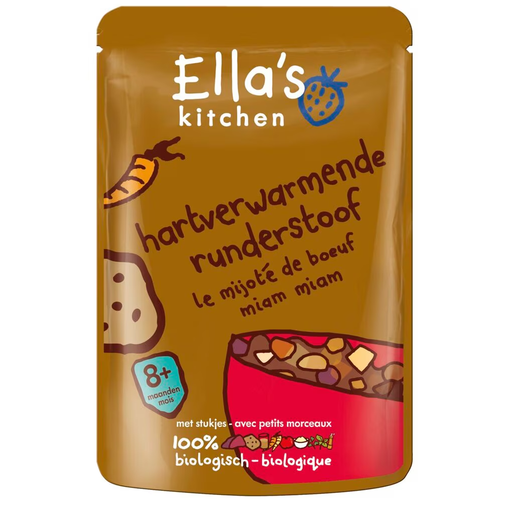
Why it suits this profile: A good choice for parents looking for organic baby food with the texture of a complete meal.
The packaging clearly states that it’s suitable from 8 months and gives an easy-to-read overview of the ingredients and allergens.
Organic ingredients according to the product information, 190 grams and soft pieces for a coarser texture.
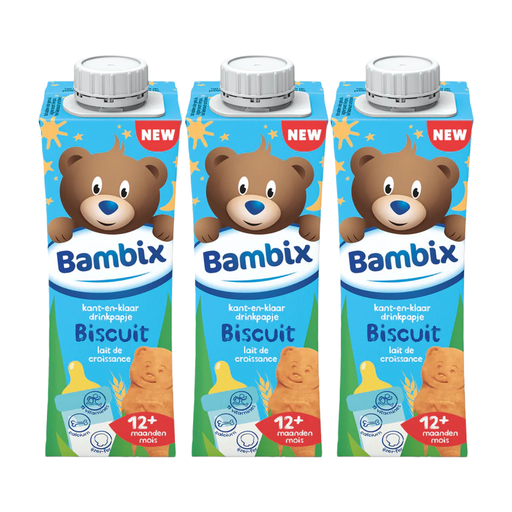
Why it suits this profile: Handy for families who want to keep drinkable porridge available for different occasions.
The packaging clearly states 12+ months, and the allergen list helps you check for milk, cereals and egg.
Three 250 ml packs; serve cold or gently warmed according to the instructions.
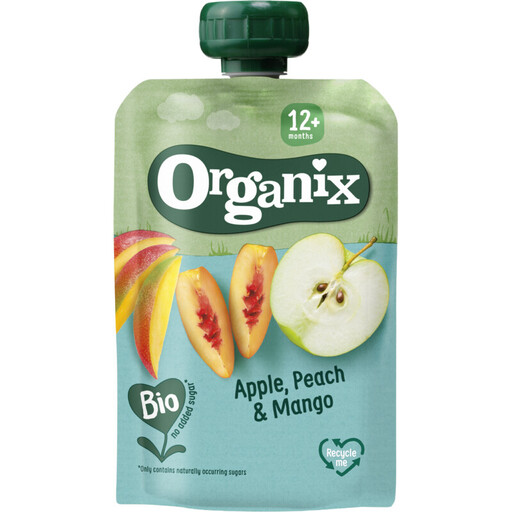
Why it suits this profile: A compact fruit snack for your bag, for when you’re out and about or as an extra snack.
The 12-month age guidance is clearly stated, and the 100-gram portion means you don’t have to open a large pack for a small snack.
A handy pouch with apple, peach and mango, and no added sugars according to the product information.
We’ve put together a full, up-to-date list of products that meet these strict selection criteria and the applicable European safety regulations.
That depends on your baby’s development and the advice you receive. Products from 4 months are often smoothly puréed vegetable or fruit foods. Start with small amounts and always check the age guidance, ingredients and preparation instructions on the packaging.
It varies by product. The products mentioned often state that they should be kept in the fridge and used within 24 to 48 hours of opening. For some packs, Bambix specifies a longer refrigerated storage period. Always follow the instructions on the packaging and keep leftovers covered.
A pouch can be handy when you’re out and about, but alternate with spoon-feeding and different textures. This leaves room for fruit purées, vegetable purées and baby meals with soft pieces. Also keep an eye on the cap, and don’t let young children eat straight from the pack unsupervised.
