
Vandaag of morgen in huis

Kwaliteit gegarandeerd

Welkomstaanbiedingen ontgrendelen: GRATIS bezorging | Tot 80% korting | Gratis 30 dagen JoyPlus-proefperiode
Download de app
Choosing the right baby food might seem straightforward, until you start comparing labels. One pack emphasises "natural", another mentions extra vitamins or a handy portion size. That doesn't always tell you what's right for your baby, your routine, or their stage of weaning.
Watch out for three common pitfalls:
The age on the label is your first filter. In the range you'll find:
If you're unsure about introducing solid foods, speak to your health visitor or doctor. Always follow the instructions on the packaging.
Don't just look at the front of the pack. Ingredients are listed in descending order. If fruit, vegetables or grains are at the top, they usually make up a significant part of the recipe.
Examples from product information:
"No added sugars" does not mean there are no sugars present. In fruit puree, sugars occur naturally. A baby food with no added sugars can therefore still have a sweet taste.
If your baby has allergies, always check the current label. Look out for milk, gluten-containing grains, egg, soya, mustard and possible traces. Product information online may differ from the packaging.
The correct storage time varies by product type:
A small pack can be handy for on-the-go, while a multi-pack may work out more cost-effective for regular use. So compare the price per 100 grams or per portion, not just the total price.
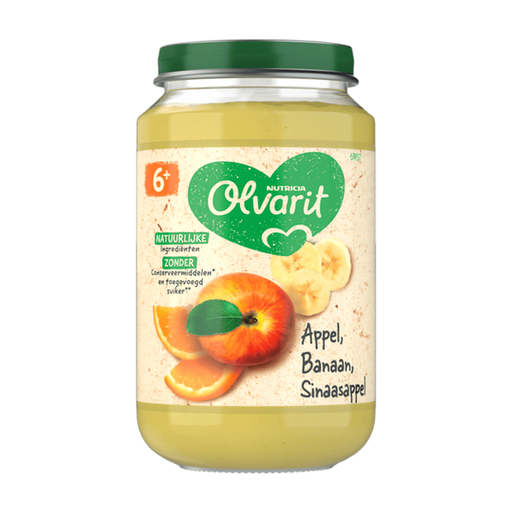
Why this fits the profile: A recognisable fruit puree from 6 months for parents who want an easy introduction to different flavours.
The product information states the ingredient ratio: 78% apple, 18% banana and 4% orange juice. This gives you a clearer picture of what you're buying than a general flavour claim.
Suitable from 6 months, 200 grams per pack and a simple fruit combination.
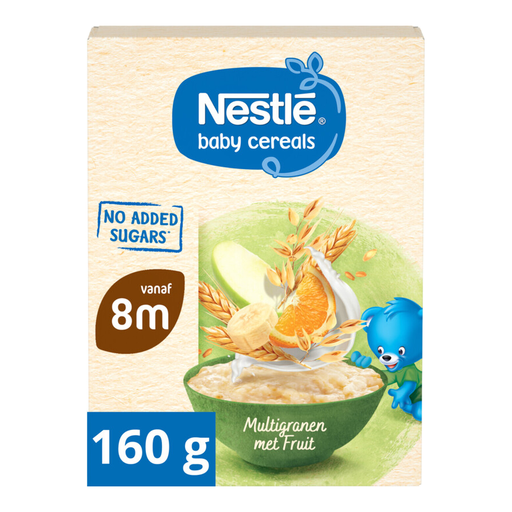
Why this fits the profile: Ideal for families looking for a dry breakfast base and who want to check the composition of grains, vitamins and minerals.
The age indication from 8 months and the allergens, including wheat, oats, rye and barley, are stated in the product information.
95% grains according to the ingredients list, with added vitamin D and iron; the packaging states no added sugars.
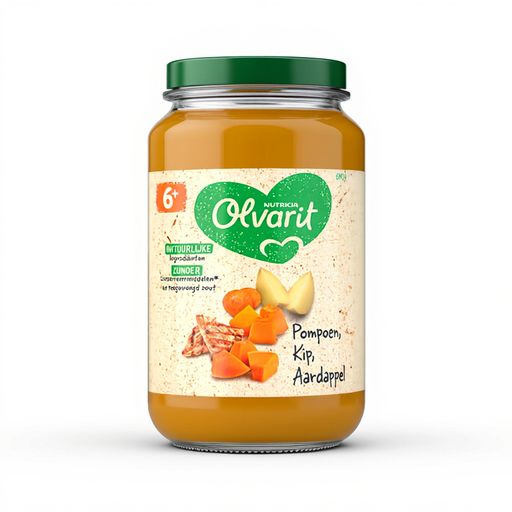
Why this fits the profile: A practical option for parents who want to offer a savoury baby meal with vegetables and chicken alongside fruit.
The product description specifies ingredients and nutritional values, including 2.5 grams of protein and 0.05 grams of salt per 100 grams.
Suitable from 6 months, 200 grams content, with pumpkin as the main ingredient and no added salt according to the product information.
We've put together a full, up-to-date list of products that fully meet these strict selection criteria and comply with current European safety regulations.
Most solid foods are introduced around 6 months, but the exact timing depends on your baby's development. Use the age indication on the product as a guide and, if in doubt, speak to your health visitor or doctor. Start with small amounts and gradually build up flavours and textures.
A baby fruit puree usually consists of puréed fruit and has a naturally sweeter taste. A baby vegetable meal contains vegetables, sometimes combined with potato, rice, chicken or other ingredients. Vary the flavours and always check the full ingredients list. A fruit puree is not automatically a complete meal.
This varies by product. Many fruit and baby meals must be stored sealed in the fridge after opening and used within 48 hours. For dairy desserts, the limit may be a maximum of 24 hours. Prepared follow-on formula generally has a much shorter use time. Always follow the label and do not keep leftovers if the packaging advises against it.
