
Vandaag of morgen in huis

Kwaliteit gegarandeerd

Welkomstaanbiedingen ontgrendelen: GRATIS bezorging | Tot 80% korting | Gratis 30 dagen JoyPlus-proefperiode
Download de app
The transition to solid food is a milestone for you and your baby. But once you're in the supermarket, the range of baby food can be overwhelming. Jars, pouches, organic, with or without sugar... How do you make a choice that feels right and meets your child's needs?
As a parent, you naturally want a safe and nutritious option. This guide is designed to help you navigate the various choices. We'll highlight some popular products and give you practical tips so you can make your decision with more confidence.
Before we look at specific products, here are a few general points to consider that can help with your choice.
The age indication on the packaging is an important guideline. For the very youngest (from 4-6 months), the first foods are often pureed and consist of a single type of fruit or vegetable. This helps your baby gently get used to new flavours. As your child gets older, the texture changes and more ingredients are combined. So, pay close attention to the recommended age to ensure the texture and composition match your child's development.
Many parents prefer baby food without sugar. It's good to know that fruit naturally contains sugars. The term 'no added sugars' means the manufacturer has not added any extra sugars, like granulated sugar or syrup. Check the ingredients list to see exactly what's in the product. By law, salt cannot be added to baby food for children up to 12 months, and preservatives are strictly regulated.
More and more parents are also choosing organic baby food. These products are identifiable by the EU organic logo and are produced according to specific guidelines for organic farming.
Consider what you want to use the product for. A baby fruit puree is often intended as a snack or part of a meal. Baby snacks, like rice cakes or breadsticks, are more suitable for older babies and toddlers who can eat independently. They are convenient for on-the-go or when your little one wants something to nibble on.
Based on product specifications and parents' needs, we have listed some interesting options for you.
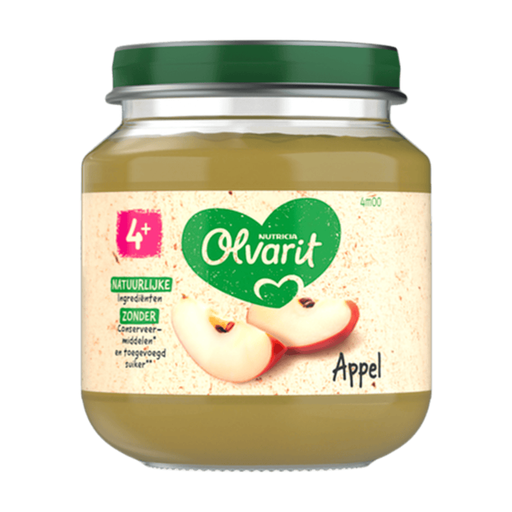
Why it stands out: This fruit puree from Olvarit is specially developed for starting first foods. It contains a single fruit type, apple, with a recognisable and mild flavour. The texture is a completely smooth puree, making it suitable for babies just beginning with solid food.
Product Features:
Who it's for: For parents who want to start with the very first foods and gently introduce their baby to the taste of fruit.

Why it stands out: These organic raisins are a convenient snack for toddlers. They come in small boxes, ideal for on-the-go. According to the manufacturer, De Kleine Keuken, they contain no unnecessary additives like sulphites and are a source of fibre.
Product Features:
Who it's for: For parents of toddlers looking for an easy and nutritious snack for in-between meals or on the go. Please note: always give these types of snacks under supervision.
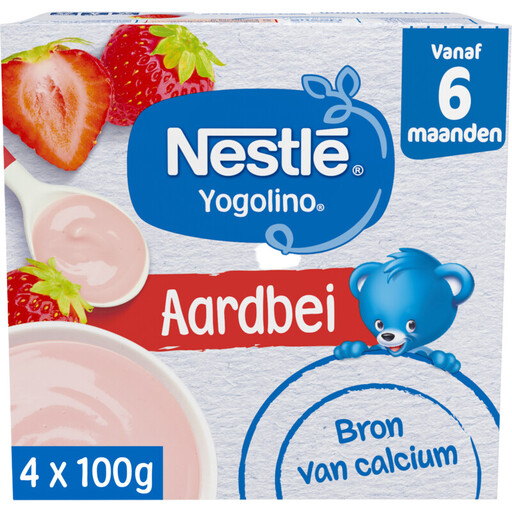
Why it stands out: Nestlé Yogolino is a dairy snack that doesn't need to be refrigerated, making it a convenient option for the diaper bag. It combines milk with fruit puree and, according to Nestlé, is a natural source of calcium.
Product Features:
Who it's for: For parents looking for an easy dessert or a dairy snack that doesn't require refrigeration. Perfect for a day out.
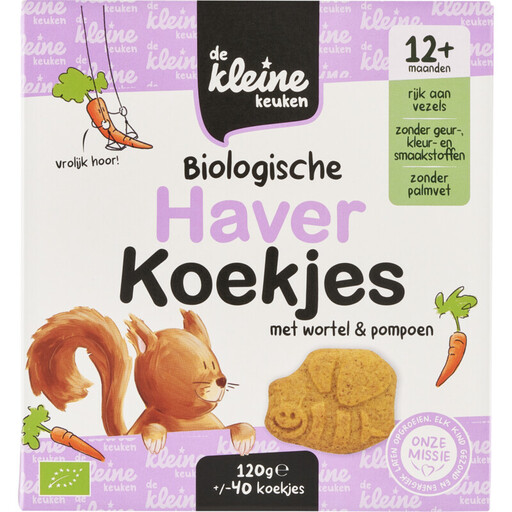
Why it stands out: These organic biscuits from De Kleine Keuken are made from whole grains like oats and spelt. The flavour comes from carrot and pumpkin puree. According to the manufacturer, they are a source of fibre and iron, with iron supporting the normal cognitive development of children.
Product Features:
Who it's for: For parents of older toddlers and preschoolers looking for a more substantial, fibre-rich biscuit as a snack.
Every child has their own preferences, and you might be looking for a different flavour, a vegetable puree, or a snack for another age group. For a broader overview of our range, you can take a look at our category of snacks and bites.
View all our snacks and finger food
Most child health clinics advise starting with first tastes between 4 and 6 months. These first foods are purely for getting used to new flavours and textures and do not yet replace milk feedings. Start with soft, single-ingredient flavours like carrot, pumpkin, or banana. Always consult with your health clinic or doctor to determine the right time for your child.
Check the ingredients list on the packaging. If terms like 'sugar', 'glucose syrup', 'fructose', or other forms of syrup are listed, then sugars have been added. Products containing only fruit or vegetables will have the statement 'contains naturally occurring sugars'.
Organic baby food is produced according to the strict EU guidelines for organic farming. This means, among other things, that no synthetic pesticides are used and that attention is paid to animal welfare and the environment. You can recognise these products by the green EU organic logo on the packaging.
Kind regards,
Joybuy Product Recommendation Officer
