
Vandaag of morgen in huis

Kwaliteit gegarandeerd

Welkomstaanbiedingen ontgrendelen: GRATIS bezorging | Tot 80% korting | Gratis 30 dagen JoyPlus-proefperiode
Download de app
Making the switch to solid foods brings plenty of choices. When you search for baby food from 6 months, you'll find fruit purées, yoghurts, meal pots, pouches and drinking porridge all mixed together. The age on the packaging is important, but it doesn't tell you everything about the ingredients, texture or when to use it.
As a Joybuy Product Recommendation Officer, I've filtered the key product information so you're less likely to pay for a pack that doesn't suit your family.
A product labelled baby food with no added sugars can still contain naturally occurring sugars from fruit or milk. For example, the Organix Bio Pear & Raspberry contains only sugars that occur naturally in the ingredients, according to the product information. Per 100 grams, it lists 10 grams of sugar.
So don't just look at the front of the pack. Also check:
“From 6 months” is a product guideline, not a personal feeding instruction. Babies differ in their development and how they accept new textures. Start gently and, if in doubt, follow the advice of your health visitor or another healthcare professional.
A smooth fruit purée for babies is not the same as a meal with vegetables and chicken. Also watch out for allergens. Nestlé Yogolino contains milk and, according to the product information, is not suitable for babies with a milk allergy or lactose intolerance.
A baby food pouch is handy for on the go, but a pot or bowl can be more suitable for eating at home with a spoon. What's more, an opened product doesn't stay fresh indefinitely. For several products, leftovers must be kept refrigerated and used within 24 or 48 hours.
So always check the packaging for:
First, choose the right age category: 6+, 8+ or 12+ months. Then look at the texture. A fruit purée, a yoghurt product and a baby meal each serve a different purpose.
For a first introduction to vegetables, a meal with a short ingredients list can be straightforward. The OLVARIT Meal 6months+ Pumpkin Chicken Potato contains, according to the product information, 43% pumpkin, 8% chicken, 8% carrot and 8% potato. The product is intended for babies from 6 months and, according to the label, contains no added salt.
Compare products by the order of ingredients. These are usually listed from largest to smallest amount. Also check for milk, gluten, wheat and other allergens.
With a baby meal with vegetables and chicken, it's useful to see how much vegetable and chicken it actually contains. A product with a brand name or attractive picture doesn't automatically have the ingredients you're looking for.
A 100-gram portion can work well as a snack, while a 200-gram pot is better suited to a meal or sharing. A pouch is practical on the go, but when you're calmly introducing new flavours and eating skills, it's best to offer the contents on a spoon.
With reusable pouches, such as the Momcozy Baby Food Pouches RP01, check whether they are suitable for the freezer and dishwasher, how the seal works and whether they can dry completely. These are practical product features; they don't replace checking hygiene and usage instructions.
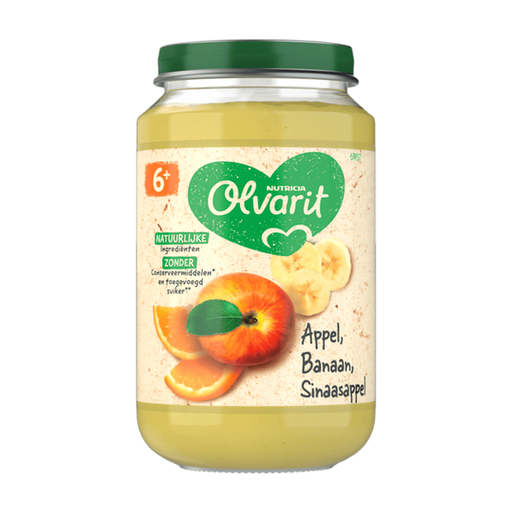
Why This Fits Their Persona: A simple fruit combination for parents looking for a familiar portion to use at home.
The age is clearly marked at 6 months and the ingredients list mentions apple, banana and orange juice.
200 gram content; according to the product information, approximately 100% fruit, with vitamin C.
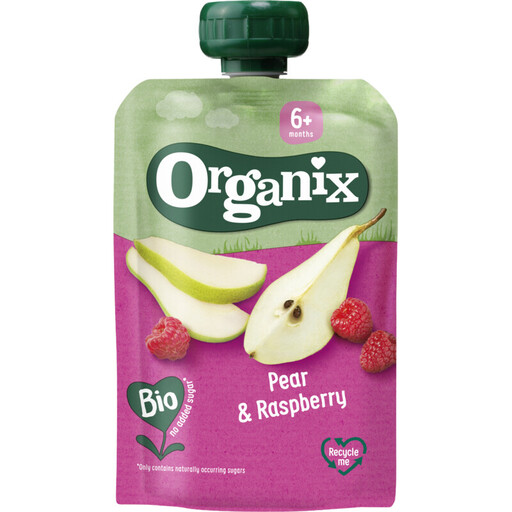
Why This Fits Their Persona: Suits parents who want an organic fruit snack in a compact pack to take with them.
The ingredients list 90% organic pear purée and 10% organic raspberry purée, with no added sugars.
100 grams; suitable from 6 months; squeeze pouch for use on the go.
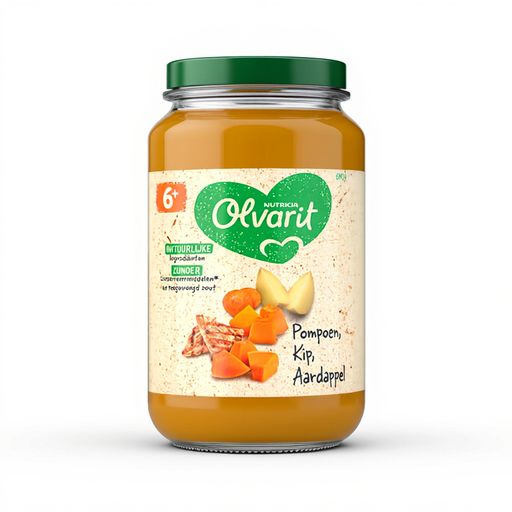
Why This Fits Their Persona: Handy when you want to offer a savoury meal with vegetables alongside a fruit snack for your baby.
The product information states the age, ingredients and a storage period of up to 48 hours after opening.
200 grams; 43% pumpkin; 8% chicken; according to the label, no added salt.
Browse our current range of baby feeding bibs and choose a practical product for mealtimes with less mess.
For babies from 8 months, there are varieties such as OLVARIT Fruit Snack Apricot Apple Banana and OLVARIT Fruit Snack Pear Apple Yogurt. With yoghurt products, check the milk allergen label and, with pots, the storage time after opening.
From 12 months, you can also look at Organix Squeezers Apple, Strawberry & Quinoa or Bambix Drinkable Porridge Biscuit. According to the product information, these products are intended for children from 12 months. Always check that the texture is suitable for what your child can safely eat.
For children from 3 years old, children's vitamins from 3 years fall under food supplements. Davitamon Junior chewable tablets contain various vitamins and minerals according to the label and are intended as a supplement, not a replacement for a varied diet. Stick to the recommended dosage, let the child chew the tablet under supervision and do not simply combine multiple vitamin products.
That depends on your baby's development and preferences. Products with a clear 6+ indication, such as a smooth fruit purée or meal pot, can be practical. Always check the ingredients, allergens and preparation instructions on the current packaging.
This varies by product. The product information provided usually states 24 or 48 hours, refrigerated and well sealed. Always follow the time stated on the label. Do not smell, taste or serve a product again if the packaging is damaged or the storage instructions have not been followed.
A pouch is mainly practical for on the go. For daily mealtimes, alternating with a spoon, soft pieces and different textures can help provide variety. Also look at the portion size and sugar content per 100 grams, even when no sugar has been added.
