
Vandaag of morgen in huis

Kwaliteit gegarandeerd

Welkomstaanbiedingen ontgrendelen: GRATIS bezorging | Tot 80% korting | Gratis 30 dagen JoyPlus-proefperiode
Download de app
The baby food aisle can be overwhelming. Dozens of brands, flavours, and colourful packages vie for your attention. As a parent, you want to make a healthy and effortless choice, but marketing jargon often makes it unnecessarily complicated. Before you make a decision, it's wise to be aware of a few common pitfalls.
organic baby food, however, is, and must comply with strict EU regulations.baby puree for a 4-month-old should be silky smooth, whereas a 12-month-old toddler benefits from more texture to learn how to chew. The wrong texture can hinder your child's eating development.To avoid these pitfalls and make a sound choice, there are a few practical things you can look out for.
The key to choosing sugar-free baby food (meaning no added sugars) lies in the ingredients list.
sugar-free baby food only contains the sugars naturally present in the whole fruit or vegetable.baby's first foods, a short ingredient list with recognisable products is often the safest choice.The age on the packaging is more than a suggestion; it's an indicator of the food's texture.
Packaging is primarily a matter of practical convenience.
Olvarit are a well-known player in this category.Ella's Kitchen and Organix are popular for their fruit pouches. Be mindful of the cap, as it can be a choking hazard for young children.To help you with your choice, we've matched a few popular products to different needs.
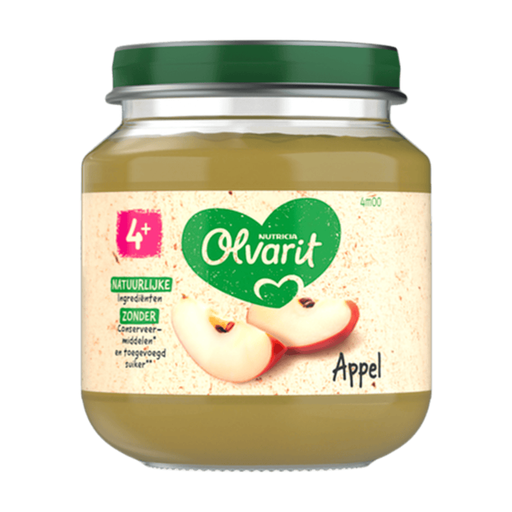
Why This Fits Their Persona: Ideal for a baby's first foods. The pure taste of apple is mild and perfect for helping your little one get used to solid food. The texture is completely smooth, just right for a baby who is just starting to eat.
This product has a very short ingredient list, and the texture is specifically tailored for baby food for 4 months. No complex blends or unexpected textures.
Contains no added sugars and is free from gluten and cow's milk protein. The mild, recognisable taste of apple is often well-accepted.
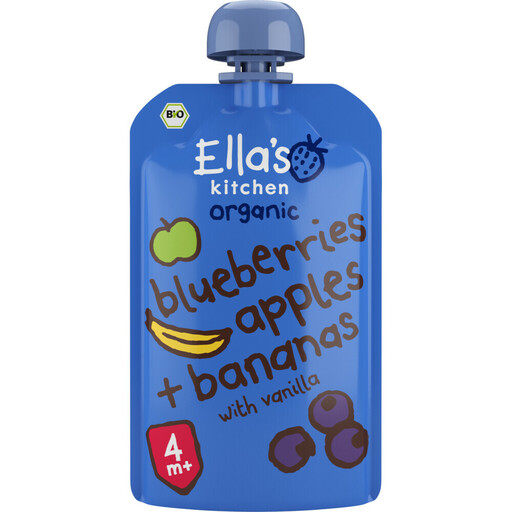
Why This Fits Their Persona: For parents who value organic baby food. This fruit pouch from Ella's Kitchen is made from 100% organic fruit, with no unnecessary additives like water or artificial ingredients.
This product bypasses the sugar trap. It contains no added sugars or concentrates, only the sugars naturally present in the apples, bananas, and blueberries. The ingredient list is short and transparent.
100% organic and packed in a convenient pouch for on the go. The flavour combination is interesting for babies who are already accustomed to basic tastes.
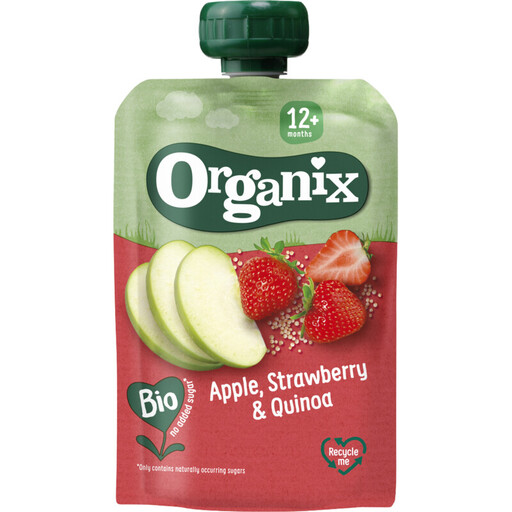
Why This Fits Their Persona: Toddlers need more of a challenge. This fruit puree contains quinoa, which provides an interesting texture and helps your child get used to more complex foods. The pouch is ideal for a snack at the playground or on the go.
The texture is intentionally coarser and tailored to the 12+ month age group, avoiding the pitfall of a puree that's too smooth for a toddler. It's organic and contains no added sugars.
Introduces grains (quinoa) in an accessible way. The practical pouch packaging encourages independent eating.
We have compiled a complete, up-to-date list of products that meet these selection criteria. Find the perfect flavour for your little one.
The only way to be sure is to read the ingredients list. Look for words like "sugar," "syrup," "glucose," "fructose," or "fruit juice concentrate." If the list only mentions whole fruits and vegetables (for example: 60% apple, 40% banana), then the product only contains naturally occurring sugars.
Most brands offer fruit pouches starting from 4 or 6 months. However, it's important to serve the puree on a spoon at first. Letting a baby drink directly from the pouch is only recommended once they can sit up and eat independently, usually around 8-10 months. Always supervise and never leave your child alone with the cap.
The main difference is the texture. A fruit puree for a 4-month-old is completely smooth to make the transition from milk to solid food as easy as possible. A fruit puree for 6 months often has a slightly coarser texture. This helps develop the muscles in the mouth and prepares your baby for learning to chew more solid food.
