
Vandaag of morgen in huis

Kwaliteit gegarandeerd

Welkomstaanbiedingen ontgrendelen: GRATIS bezorging | Tot 80% korting | Gratis 30 dagen JoyPlus-proefperiode
Download de app
The baby food aisle can be overwhelming. Dozens of brands, flavours, and stages compete for your attention, all promising healthy and happy babies. But how do you navigate this jungle of jars and pouches without falling into the usual traps? As a Product Recommendation Officer at Joybuy, I'll help you see through the marketing jargon and make a choice that suits your child and your situation.
Before you fill your shopping cart, it's wise to consider a few common pitfalls:
baby fruit puree can still contain a lot of natural sugars from sources like fruit concentrate. This isn't necessarily bad, but it's important to be aware of the total sugar content.Organic baby food is a popular choice and guarantees that the ingredients were grown without artificial fertilisers and chemical pesticides. However, this says nothing about the nutritional value, sugar content, or texture, which are just as important for your child's development.To make an informed choice, it's helpful to check a few key points. This will help you compare products objectively, beyond the colourful packaging.
The ingredients list is your most important tool. Ingredients are listed in order of quantity; whatever is listed first is the most abundant.
sugar-free baby food or products with low sugar content, compare this number between different products.The texture of baby food is tailored to your child's motor skill development.
first baby foods. The texture is completely smooth and pureed to make swallowing easy. They often consist of single-flavour vegetable or fruit purees.baby meal.The packaging is more than just a container; it determines how practical the food is in your daily life.
Olvarit jars): Jars are sturdy and easy to stack in the pantry. You can spoon directly from them and store leftovers in the refrigerator. Glass is also highly recyclable.Ella's Kitchen pouches): These are lightweight and unbreakable, ideal for on the go. Older babies can sometimes eat from them independently, which makes it a convenient baby snack. Be sure to keep the cap out of the reach of small children.To help you get started, we've highlighted a few products that suit different situations and parental needs.
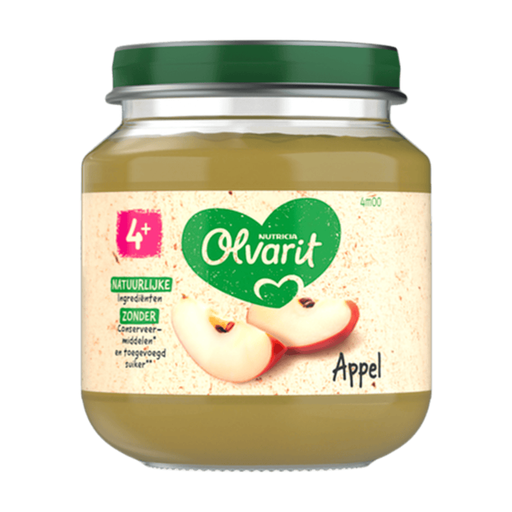
Why This Fits Their Persona: Perfect for first solids. The smooth texture and pure, recognizable apple flavor provide a gentle introduction to solid food. It's a simple and straightforward start.
This product bypasses the pitfall of premature complexity. By focusing on a single fruit, you can easily trace any potential reactions and let your baby get used to a new taste gradually.
Contains no added sugars and is free from gluten and cow's milk protein. The texture is specifically designed for babies from 4 months.
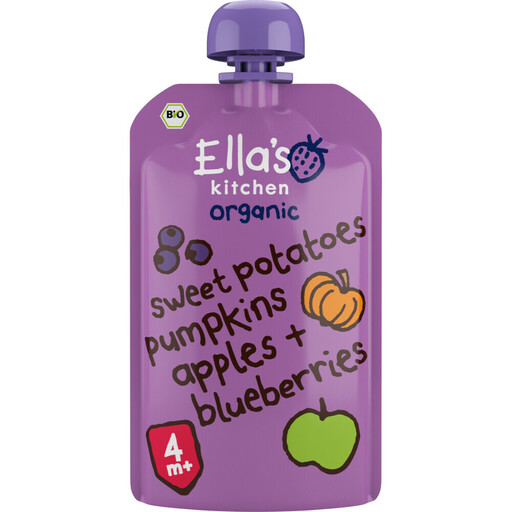
Why This Fits Their Persona: For parents who value organic ingredients and have an active lifestyle. This squeeze pouch is easy to take along, and the combination of fruit and vegetables offers a varied taste.
This product is transparent: 100% organic and with no added sugars. It debunks the assumption that organic is boring by offering an interesting flavour combination.
100% organic fruit and vegetable puree. The packaging is a convenient squeeze pouch, ideal for a snack away from home.
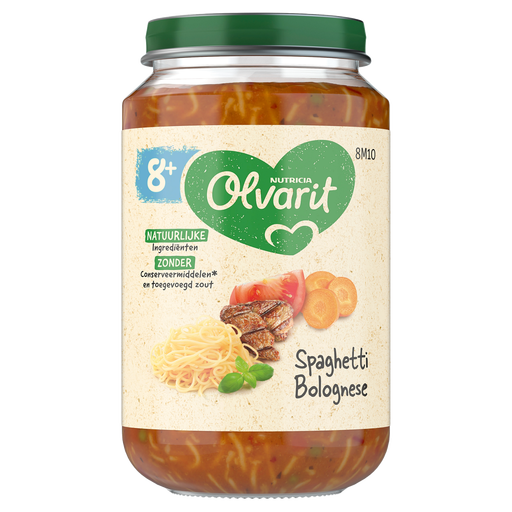
Why This Fits Their Persona: For babies who are ready for the next step. This baby meal introduces a classic flavor and a coarser texture with soft pieces, which helps with the transition to 'real' food.
This product tackles the challenge of texture development. It prevents a child from getting too accustomed to smooth purees by providing a structure that encourages chewing.
A complete baby meal with vegetables, pasta, and beef. The flavour and texture are recognizable and contribute to taste development.
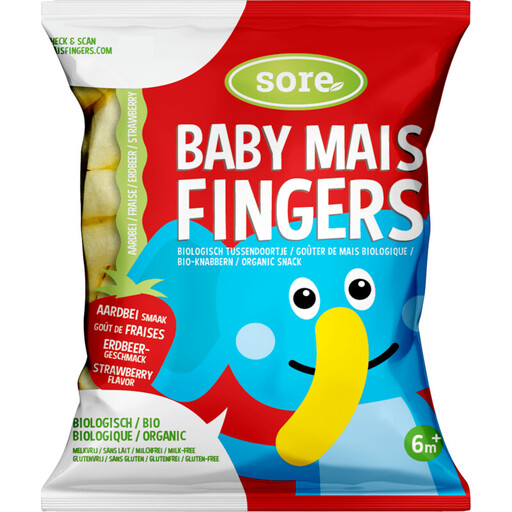
Why This Fits Their Persona: Ideal as a responsible baby snack for little ones who are starting to feed themselves. The shape is easy to hold, and the texture melts in the mouth, making it a safe choice.
This product is specifically designed as a snack, not a meal replacement. It is free from the 14 major allergens and contains no added salt or sugar, unlike many adult snacks.
100% organic and allergen-free. The puffed corn is easily digestible, and the shape encourages hand-mouth coordination.
We have compiled a complete, up-to-date list of products that meet these selection criteria and current guidelines.
Most health clinics advise starting with first practice foods between 4 and 6 months. These are the first baby foods. Pay close attention to your child's cues, such as showing interest in your food and being able to hold their head up properly. Always start with soft, smooth purees of a single type of vegetable or fruit. If in doubt, always consult your health clinic or doctor.
Start with the ingredients list. The ingredient listed first is the most abundant. Next, check the nutrition table for the amount of "sugars" and "salt". For sugar-free baby food, it's important to know that this often means "no added sugars"; natural sugars from fruit are still present. Also, pay attention to allergens, which are usually listed in bold or separately.
Organic baby food is made from ingredients grown without the use of chemical pesticides and artificial fertilisers. The "organic" label is legally protected and strictly controlled. Conventional baby food must also meet very strict quality standards, but the cultivation methods of the ingredients are different. The choice between organic and conventional is personal and depends on what you find important. Both options are safe for your child.
