
Vandaag of morgen in huis

Kwaliteit gegarandeerd

Welkomstaanbiedingen ontgrendelen: GRATIS bezorging | Tot 80% korting | Gratis 30 dagen JoyPlus-proefperiode
Download de app
The baby food aisle can be overwhelming. Dozens of brands, flavours, and colourful packages are all competing for your attention. As a parent, you want to make the right choice, but marketing promises don't make it any easier. Many parents unwittingly fall into the same traps, leading to unsuitable purchases. Let's look at the most common missteps so you can avoid them.
Pitfall 1: The "no added sugar" deception. A product without added sugar can still be a sugar bomb due to the use of concentrated fruit juices. This unnecessarily drives up the amount of natural sugar.
Pitfall 2: The wrong texture for their age. A purée that's too smooth for a 10-month-old baby doesn't help them learn to chew. Conversely, a texture that's too coarse for a 6-month-old can be hazardous. The age recommendation is there for a reason.
Pitfall 3: Vague ingredient lists. Terms like "grain blend" or "fruit preparation" say very little about what's actually in the jar or pouch. Transparency is the key to making an informed choice.
To see through the marketing, it's helpful to focus on a few objective criteria. These specifications will help you determine if a product truly fits your child's needs.
The ingredient list is your most important tool. Ingredients are listed in order of quantity; what's listed first is most abundant. Look for products where whole vegetables, fruits, or grains take the lead, rather than water or concentrates. Pay specific attention to:
The texture of baby food is crucial for the development of oral motor skills. Manufacturers like Olvarit and Ella's Kitchen tailor their products accordingly.
Always choose a product that matches your child's developmental stage, not necessarily their calendar age. Every child develops at their own pace.
A varied diet is important. Therefore, alternate between different types of food:
Extra vitamins for your child are usually not necessary with a varied diet, but always discuss this with your healthcare provider or doctor.
Based on clear product specifications, we have selected a number of options that suit the different needs of parents.
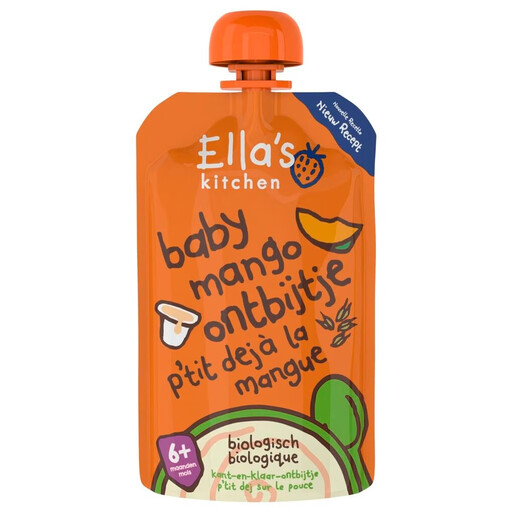
Why This Fits Their Persona: Ideal for first tastes. The soft, smooth texture and simple, recognisable flavour of mango make this a suitable choice to introduce your baby to solid food. Convenient for at home or on-the-go.
This product contains only naturally occurring sugars from fruit and yoghurt. The ingredient list is short and clear, with 63% mango as the main ingredient, which avoids the pitfall of vague 'fruit preparations'.
100% organic and gluten-free. The combination of fruit, yoghurt, and grains provides a nutritious breakfast or snack.
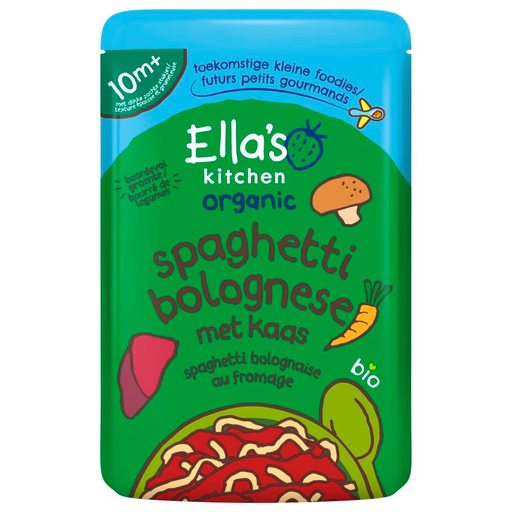
Why This Fits Their Persona: A complete, nutritious baby meal that's ready in minutes. Perfect for days when you don't have time for elaborate cooking but still want to give your child a complete meal. Can be eaten warm or cold.
The coarse texture is specifically tailored for babies from 10 months onwards to practice chewing. This avoids the pitfall of a purée that is too smooth for an older baby, which can slow down development.
100% organic and contains a mix of vegetables, beef, pasta, and cheese. No added salt, only what is naturally present.
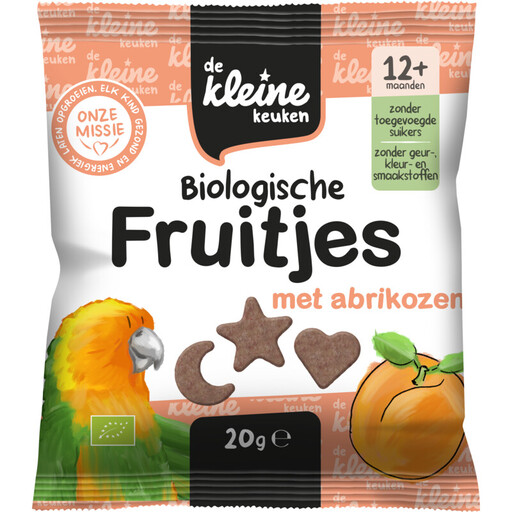
Why This Fits Their Persona: For parents looking for a healthy snack for their toddler (from 12 months). These baby snacks are an alternative to biscuits or sweets with unnecessary additives.
This product is made from just four ingredients: dried apricots, dates, bananas, and rice flour. It contains no added sugars, flavourings, or preservatives, bypassing the pitfall of misleading 'healthy' snacks.
Organic, high in fibre, and the fun shapes are easy for little hands to hold. A clear and pure snack option.
We have compiled a complete and up-to-date overview of products that meet these selection criteria and current guidelines.
Always look at the first three ingredients; they form the basis of the product. Avoid products where sugar, syrup, or fruit juice concentrate are high on the list. Also, check the nutritional information table for the amount of sugar per 100 grams. Finally, scan the list for allergens in bold if your child has an allergy.
You can start with first tastes, often smooth vegetable or fruit purées, from 4 to 6 months. Always follow the age recommendation on the packaging, as the texture and ingredients are tailored to it. Every step, from a smooth baby fruit purée to a coarser baby meal, supports your child's development. If in doubt, consult your healthcare provider.
Organic baby food is produced according to strict EU guidelines. This means the ingredients are grown without the use of synthetic chemical pesticides and artificial fertilisers. Brands like Ella's Kitchen and De Kleine Keuken focus specifically on organic products. Whether this is a benefit is a personal choice that depends on your own preferences and priorities.
