
Vandaag of morgen in huis

Kwaliteit gegarandeerd

Welkomstaanbiedingen ontgrendelen: GRATIS bezorging | Tot 80% korting | Gratis 30 dagen JoyPlus-proefperiode
Download de app
The baby food aisle can be overwhelming. Dozens of brands, flavours, and promises. As a parent, you want to make the right choice for your child, but how do you navigate all the marketing claims? Many products seem healthy, but the reality is sometimes different. Let's look at a few common pitfalls and discover what you really need to pay attention to.
To make an informed choice, it's helpful to check three key points before putting anything in your shopping cart. This will help you look beyond the packaging and focus on what's really inside.
The age on the packaging is more than a suggestion; it's a guideline for the texture and composition.
The ingredient list tells the true story. Pay attention to the following:
The choice between a glass jar and a baby pouch depends on the situation.
To help you get started, we've selected a few products that suit different needs and age stages.
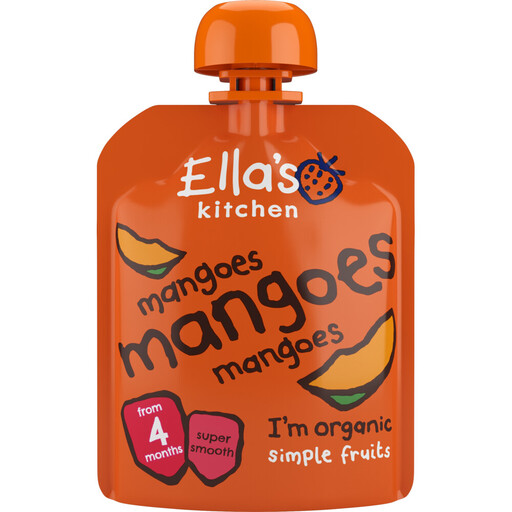
Why This Fits Their Persona: Perfect for the introductory phase. The ultra-smooth texture and the pure taste of a single fruit make it an ideal choice for introducing your baby to solid foods. Simple and gentle on the stomach.
This product contains 100% organic mango with a little bit of lemon juice. No hidden sugars, concentrates, or other unnecessary additives.
100% organic fruit. The ingredient list is extremely short and clear, which inspires confidence.
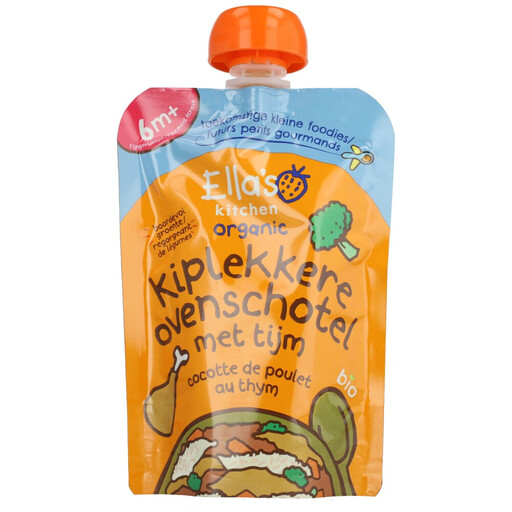
Why This Fits Their Persona: A complete and nutritious baby meal for when you're short on time or on the go. The pouch is easy to carry and can be served directly onto a spoon.
The texture is adapted for babies from 6 months, with a slightly coarser consistency to encourage oral motor skill development. No salt has been added.
Contains a mix of organic vegetables, chicken, and rice for a balanced meal. Convenient for home and on the go.
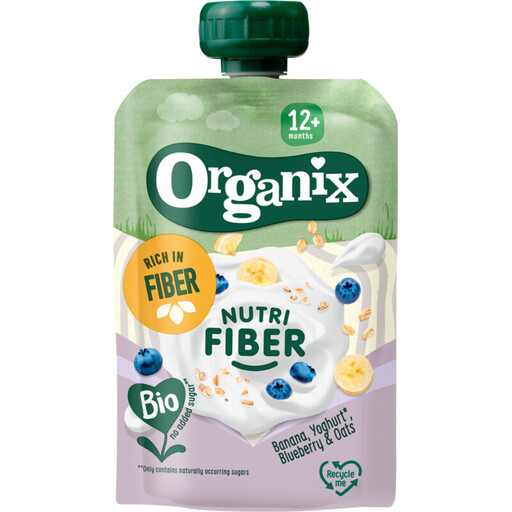
Why This Fits Their Persona: For toddlers who are ready for more. This pouch combines fruit, yoghurt, and oats for a more complex flavour and texture. A nutritious snack that also promotes further taste development.
This product is a source of fibre and contains no added sugars. The sweetness comes from the organic fruits, and the ingredients are clearly listed.
A 3-in-1 snack with fruit, dairy, and grains. Fully organic and convenient for on the go.
We have compiled a complete, up-to-date list of products that fully meet these strict selection criteria and local regulations.
Always check the age indicator on the packaging (e.g., 4m+, 6m+, 12m+). This indication is based on the average development of a baby. The texture and ingredients are tailored accordingly. Start with smooth, single-flavour foods and gradually build up to meals with more texture and complex ingredients. If in doubt, always consult your paediatrician or health clinic.
Organic baby food is produced according to strict EU guidelines. This means the ingredients are grown without the use of synthetic pesticides and artificial fertilisers. While regulations for all baby food are generally very strict, an organic seal provides extra assurance about the origin and production method.
Most manufacturers recommend storing an opened product sealed in the refrigerator and using it within 24 to 48 hours. Always check the label for the product's specific storage instructions. If you have fed your baby directly from the jar or pouch with a spoon that has been in their mouth, bacteria can shorten its shelf life. In that case, it's better to discard any leftovers.
