
Vandaag of morgen in huis

Kwaliteit gegarandeerd

Welkomstaanbiedingen ontgrendelen: GRATIS bezorging | Tot 80% korting | Gratis 30 dagen JoyPlus-proefperiode
Download de app
Buying baby food seems simple, until you have to choose between infant formula, follow-on milk, a fruit purée, a fruit pouch or a baby smoothie. Packaging often uses appealing terms such as “natural”, “no added sugar” and “with extra fibre”. This information can be useful, but it doesn’t automatically tell you whether a product is suitable for your child’s age, stage of weaning or allergies.
As a Joybuy Product Recommendation Officer, I filter the key product information using verifiable specifications. That way, you can avoid basing your choice solely on the brand name, packaging or a prominent nutritional claim.
A product for 6 months and over is not the same as food for a newborn. Fruit purées, follow-on milk and toddler milk all have different uses. Always check the age guidance on the label and compare it with your child’s stage of development.
For example, a fruit pouch for babies aged 12 months and over is not automatically suitable for a 6-month-old. A smoothie for toddlers, such as a product for children aged 2 and over, is not suitable for young babies either.
Products such as Olvarit baby food, organic baby food and fruit purée may say on the packaging that no sugar has been added. Fruit naturally contains sugars, so check the ingredients list and nutrition table too.
A product containing apple, banana, mango or berries can still contain naturally occurring sugars. That doesn’t make the claim incorrect, but it’s important to understand exactly what it means.
A pouch is handy when you’re out and about, but check how long it can be kept after opening. Various fruit products say that any leftovers should be sealed, stored in the fridge and used within 24 hours. Ella’s Kitchen The Red One product information gives a maximum storage time of 48 hours at a maximum of 7 °C.
Always check the cap warning too. For some pouches, the cap must be kept out of reach of children under 36 months. Don’t use a pouch if it’s damaged or swollen.
First, distinguish between:
Nutrilon baby food, for example, is available in different stages. Nutrilon 1 is intended from birth, Nutrilon 2 from 6 months and Nutrilon 4 from 12 months. Always follow the instructions on the packaging. If you’re unsure about bottle-feeding, it’s a good idea to speak to your health visitor, doctor or another qualified healthcare professional.
Check for milk, soya, fish, gluten and other allergens before buying a product. For example, the product information for Olvarit Mango Spelt lists milk and cereals containing gluten. Nutrilon formulas may contain milk, fish and soya. A plant-based label doesn’t automatically mean a product is free from allergens, so always check the full ingredients list.
For a medical indication, such as food for special medical purposes, don’t rely on the product name alone. According to its product description, Nutrilon A.R. 2 should only be used under medical supervision. Follow the advice of a qualified healthcare professional.
For powdered milk, the water-to-powder ratio, temperature and storage time are important. For example, the product information for Nutrilon 2 specifies 14,4 grams of powder per 100 millilitres of water. Prepared feeds should be used within the stated time; leftovers must not be stored or reheated.
When buying, check:
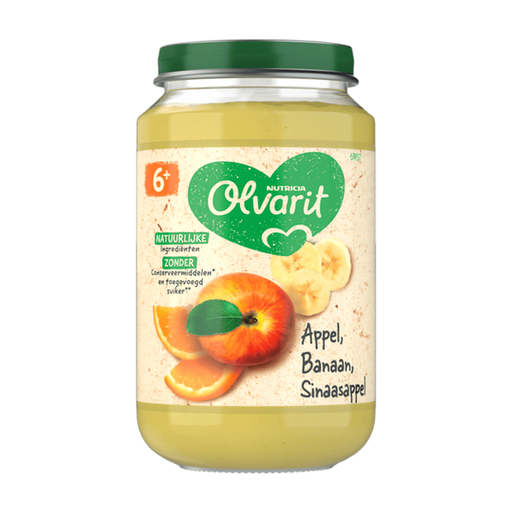
Why it suits this profile: This fruit purée is intended for babies aged 6 months and over and has a simple blend of apple, banana and orange juice. It’s a practical choice if you’re looking for a straightforward fruit purée for your baby.
The age guidance is clearly stated. The ingredients list specifies 78% apple, 18% banana and 4% orange juice, so you don’t have to rely on the front of the pack alone.
200 grams; suitable from 6 months; fruit is the main ingredient.
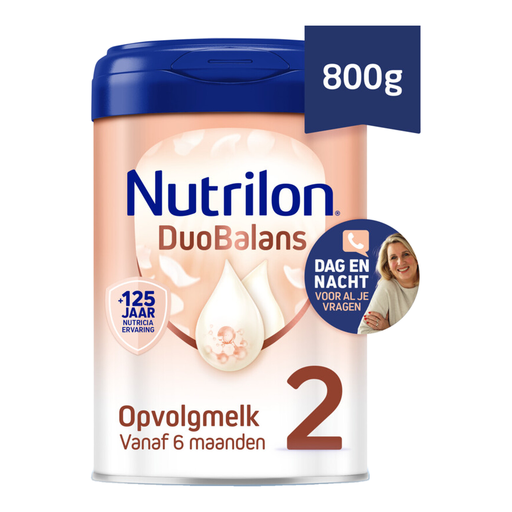
Why it suits this profile: If you pay close attention to ingredients and nutritional information, this follow-on milk for babies aged 6 to 12 months provides stated quantities per 100 millilitres of prepared feed.
The product information includes the mixing instructions, allergens and storage time. This lets you compare claims about fibre and nutrients with the actual ingredients.
800-gram pack; suitable from 6 months; the ingredients list includes milk, soya and fish.
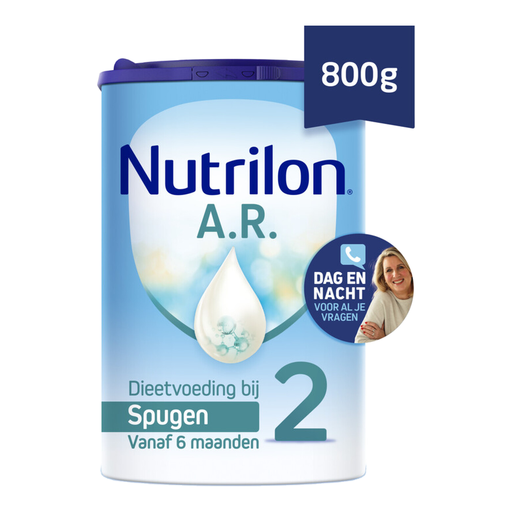
Why it suits this profile: This formula is intended for babies aged 6 months and over. The product information describes it as food for special medical purposes with anti-regurgitation properties, so it’s important to seek medical advice before use.
The product isn’t presented as ordinary follow-on milk: the product information explicitly states that it should be used under medical supervision. This makes it clear that marketing alone shouldn’t determine your choice.
800-gram pack; thickener locust bean gum listed; clear preparation steps based on the product information.
We’ve put together a complete, up-to-date list of products that meet these strict selection criteria and comply with the applicable European safety regulations.
From 6 months, you can look at follow-on milk and complementary foods such as fruit and vegetable purées. The right choice depends on your child’s existing diet, any allergens and the advice of your health visitor or doctor. Always check the age guidance on the specific product.
It varies by product. Many fruit pouches need to be resealed, stored in the fridge and used within 24 hours of opening. Some products state a longer storage time, such as up to 48 hours. Always follow the packaging instructions.
Toddler milk is intended for children aged 12 months and over and can be part of a varied diet. It isn’t automatically necessary for every child. Compare the ingredients, nutritional values, allergens and preparation instructions, and speak to a qualified healthcare professional if you’re unsure.
