
Vandaag of morgen in huis

Kwaliteit gegarandeerd

Welkomstaanbiedingen ontgrendelen: GRATIS bezorging | Tot 80% korting | Gratis 30 dagen JoyPlus-proefperiode
Download de app
Finding the right product among all the different types of baby food isn’t always straightforward. Age labels, organic ingredients, “natural” claims and “no added sugars” may sound clear, but they don’t tell the whole story. The texture, allergens, portion size and preparation method are just as important in determining whether a product is right for your child.
This guide will help you compare baby food, fruit purées, baby meals and baby snacks objectively.
A product with no added sugars can still contain natural sugars from fruit. You’ll see this, for example, in mango, banana or pear purées. So don’t just look at the front of the packet – check the ingredients list and the nutritional information table too.
With a fruit purée, it’s perfectly normal for sugars from fruit to be present. The claim simply means that, according to the product information, no extra sugar or sweetener has been added.
“Baby food from 4 months”, “baby food from 6 months” and “baby food from 8 months” are practical guides, but they aren’t personalised feeding advice. Every child develops differently. Alongside the age, pay attention to:
A baby pouch can be handy when you’re out and about, but it’s best to serve the contents on a spoon or in a bowl. That way, your child keeps practising with different textures and ways of eating.
Organic baby food meets the rules for organic production, but that doesn’t automatically mean the product is suitable for every age or stage of weaning. Always check the ingredients, allergens and preparation instructions. An organic fruit purée, for example, might be mostly fruit and therefore offer little variety as a complete meal.
First, choose based on the stated age and your child’s development. For baby food from 4 months, smooth fruit purées are a common starting point. For baby food from 6 months, you can also look at purées with a slightly more recognisable taste or adapted texture.
From around 7 or 8 months, some children can start practising with soft snacks that dissolve in the mouth. Always check the official age label here. A product for baby food from 12 months, such as dried fruit, isn’t automatically suitable for younger children.
Look at the ingredients list rather than just the marketing claims. Pay particular attention to:
For example: Olvarit Courgette white fish rice contains, according to the product information, 32% courgette, 19% rice and 9.5% hake. The product contains fish as an allergen and is intended from 8 months. That makes it an option for parents who want to offer a savoury baby meal with fish alongside fruit.
A large pack might seem good value, but it’s only practical if you can use it within the stated time. Always check:
With several fruit purées in pouches, you need to keep any leftovers in the fridge and use them within 24 or 48 hours, depending on the product information. Don’t heat a pouch in the microwave; only warm it according to the instructions on the label.
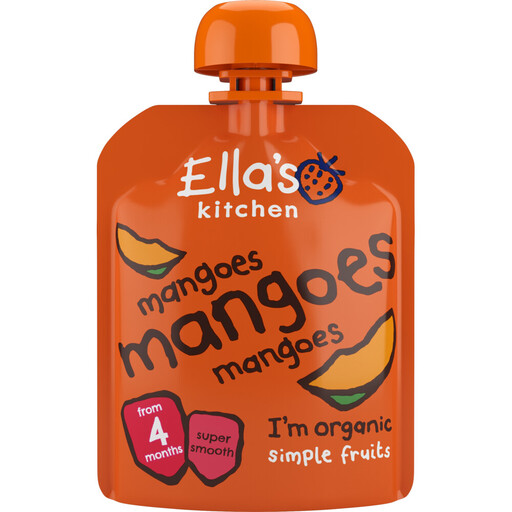
Why this fits the profile: The 70g portion is manageable for a first introduction to fruit from 4 months and is easy to take with you.
The ingredients list states 100% organic mango and less than 1% concentrated lemon juice. According to the product information, there is no added sugar.
Suitable from 4 months, 70g per pack and can be served on a spoon or in a bowl.
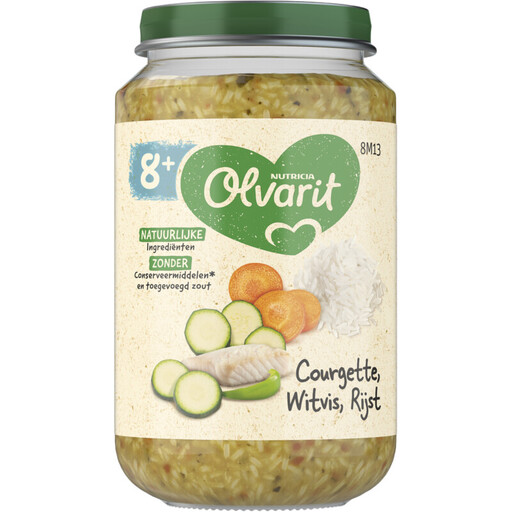
Why this fits the profile: This meal offers a savoury combination for children from 8 months who are discovering more flavours and an adapted texture.
The product description gives specific percentages for courgette, rice and hake. This means you can check the composition rather than relying only on the front of the pack.
200g, courgette listed as the main ingredient and a stated fish source. Contains fish as an allergen.
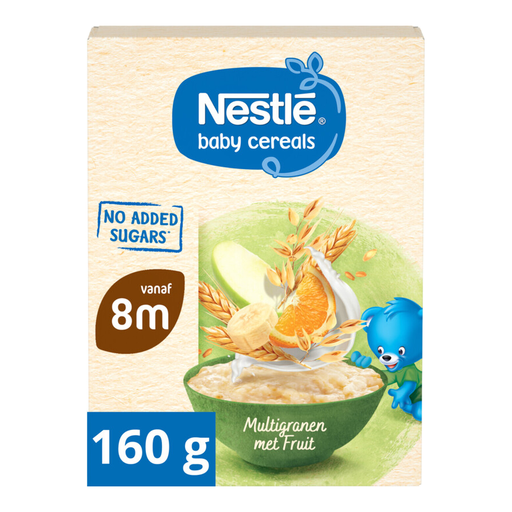
Why this fits the profile: Handy for parents who want to prepare a quick baby breakfast from 8 months with a fixed portion per meal.
The preparation ratio and storage time after opening are stated. This means you don’t have to guess the amount of water or how long it will keep once opened.
Contains, according to the product information, 95% cereals, fruit components, iron and vitamin D. Contains gluten-containing cereals.
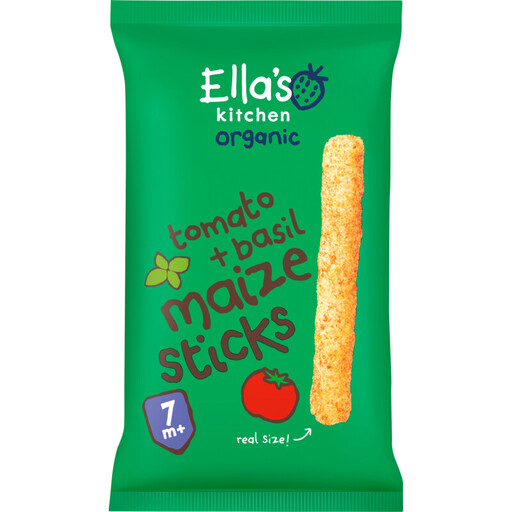
Why this fits the profile: A small, resealable pack for children from 7 months who are learning to eat with their hands under supervision.
The packaging states the age, portion size and possible cross-contamination with gluten, soya and milk. This makes the choice easier to verify.
16g, resealable packaging and, according to the product information, no added sugar.
We’ve put together a full, up-to-date list of products that fully meet these strict selection criteria and comply with current European safety regulations.
Products clearly labelled from 4 months, such as smooth fruit purée, can be suitable for the first stage of weaning. Always check the current packaging and discuss starting solids with your health visitor, especially if there are allergies or any concerns about your child’s development.
This varies by product. For the fruit purées mentioned, a storage time of 48 hours in the fridge is often stated; for some pouches, it’s 24 hours. Always follow the label. Store leftovers sealed, use clean utensils and throw away any food if the packaging is damaged or bloated.
“No added sugars” doesn’t mean a snack contains no natural sugars or calories. Use baby snacks as a supplement, not a replacement for varied meals. Pay attention to age, texture, allergens and supervision during eating. With dried fruit, such as raisins from 12 months, extra care is needed regarding the warnings and eating safety.
