
Vandaag of morgen in huis

Kwaliteit gegarandeerd

Welkomstaanbiedingen ontgrendelen: GRATIS bezorging | Tot 80% korting | Gratis 30 dagen JoyPlus-proefperiode
Download de app
The move to solid food raises lots of questions. What texture is right for a 4-month-old baby? When are fish, meat, grains or dairy suitable? And is a handy pouch automatically a good choice?
With baby food from 4 months, there are three key pitfalls to watch out for:
First, check the age label: 4 months+, 6 months+ or 8 months+. This guide helps with selection, but it doesn’t replace advice about your baby’s development.
For a first introduction, smooth baby purées with one or a few ingredients are straightforward. Think of a baby vegetable purée with cauliflower or a baby fruit purée with mango, pear or plum. As your child gets older, you can vary with chunkier textures and mixed meals.
A product for 8 months may contain pieces, pasta, rice or combinations of meat and vegetables. That doesn’t make it suitable for a younger baby, even if the individual ingredients are familiar.
Read the ingredients from top to bottom. The ingredients present in the largest amounts are listed first. Look out for:
Pouches are lightweight and easy to take with you. An opened product usually needs to be stored in the fridge and used within 48 hours. For some dairy products, a shorter period of up to 24 hours applies. Always check the instructions on the packaging.
Do not heat a pouch directly in the microwave. Squeeze the contents onto a spoon or into a bowl and check the temperature. With snacks, pay attention to the age label, allergen information and how you supervise your child while they eat.
A 200g jar can be handy for a full meal, while a 70g to 120g pouch may be suitable for a small portion or for when you’re out and about. The right amount depends on your baby’s eating stage and how much they’re used to.
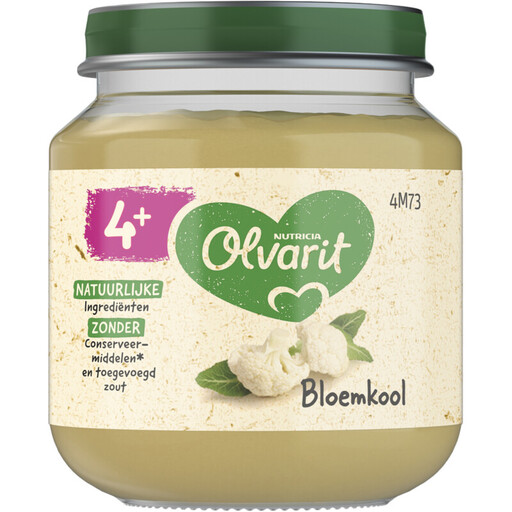
Why this suits the profile: A simple first vegetable purée with one main ingredient and a 125g portion.
The ingredients list states 100% cauliflower. So you can see straight away what you’re introducing, without having to decipher a long mixture.
Suitable from 4 months according to the product information, with none of the 14 major EU allergens listed and no preservatives according to the product details.
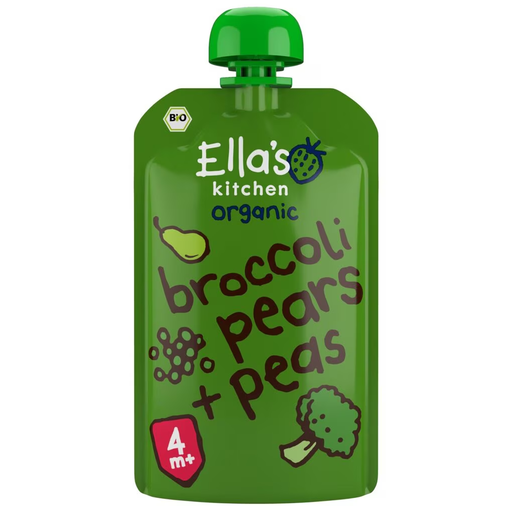
Why this suits the profile: Ideal for parents looking for organic ingredients, a pouch and a combination of fruit and vegetables.
The product information states 60% organic pear, 30% organic peas and 10% organic broccoli, with no added water or extra ingredients.
Organic according to the product details, labelled gluten-free and can be stored in the fridge for up to 48 hours after opening.
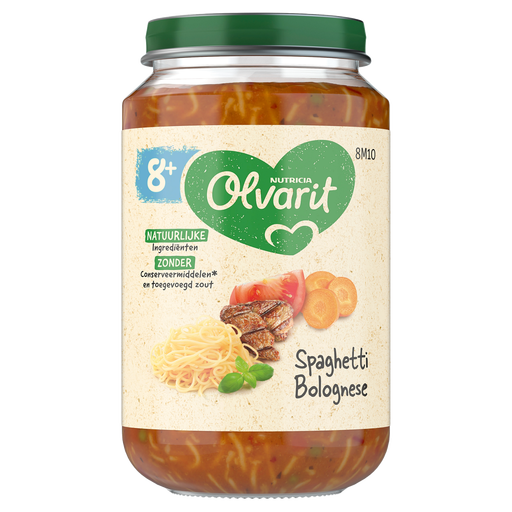
Why this suits the profile: A 200g portion for families who regularly need a complete baby meal from 8 months.
The composition lists, among other things, 32% tomato juice, 18% carrot, 15.6% pasta and 8% beef. Gluten and egg are also listed as allergens.
From 8 months, 200g per jar and can be stored in the fridge for up to 48 hours after opening according to the product information.
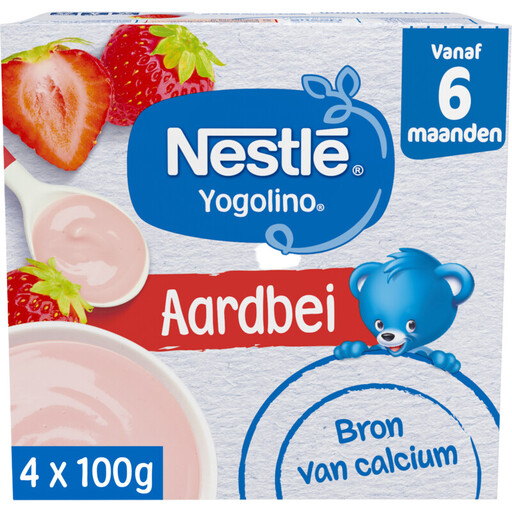
Why this suits the profile: Handy 100g portions for a baby dessert or snack from 6 months.
The product information lists milk as an allergen and clearly states that an opened pot should be stored in the fridge for a maximum of 24 hours.
Four individual portions, suitable from 6 months and, according to the product information, a natural source of calcium.
We’ve put together a full, up-to-date list of products that fully meet these strict selection criteria and comply with current European safety regulations.
That depends on your baby’s development and cues. The label on the packaging indicates the age the product is intended for. Start gently with small amounts and, if you’re unsure, speak to your health visitor. Breast milk or formula remains important as the basis of your baby’s diet at this stage.
Both can be suitable when the product matches your baby’s age. A baby vegetable purée, such as cauliflower, sometimes contains just one ingredient, making it easy to introduce a new flavour. A baby fruit purée, for example with mango or plum, may be more readily accepted because of its sweeter taste. Vary the flavours and offer the purée on a spoon.
Always follow the label. In the product information provided, 48 hours in the fridge is often stated for purées and meals. For Nestlé Yogolino and Pyjamapapje, a maximum of 24 hours after opening is stated. It’s a good idea to note the opening date and don’t use leftovers if the smell, colour, packaging or texture seems off.
