
Vandaag of morgen in huis

Kwaliteit gegarandeerd

Welkomstaanbiedingen ontgrendelen: GRATIS bezorging | Tot 80% korting | Gratis 30 dagen JoyPlus-proefperiode
Download de app
Parents often buy several baby-feeding accessories at once: baby bottles, bottle teats, a bottle brush, a baby bottle steriliser and perhaps a portable bottle warmer. But these products don’t always work well together. The wrong teat, for example, can make feeding too fast or too slow, while a warmer may not fit the bottle you use.
As a Joybuy Product Recommendation Officer, I filter out the most important product specifications from the range. This helps you see which details matter and which marketing claims are worth checking before you order.
An age marking such as 0+, 3+ or 18+ is useful, but it isn’t enough on its own. Babies feed at different speeds, so check the type of teat and flow rate too. A medium-flow bottle teat set for babies aged three months and over isn’t automatically suitable for every baby of that age.
Also check compatibility. According to the product information, the Difrax Natural Bottle Teat Medium fits narrow Difrax S baby bottles in 170, 240 and 250 ml sizes, but not the Wide versions.
For a portable bottle warmer or breast pump accessories, “multi-brand” doesn’t mean that every bottle will fit without checking. Look at the adapter supplied, the bottle’s diameter and any exceptions. For example, the Momcozy Travel Series Portable Bottle Warmer comes with an adapter; according to the product information, certain Dr. Brown’s bottles have specific requirements.
The neck of the bottle matters too. A Difrax Natural teat won’t necessarily fit a wide bottle from another system.
A baby bottle steriliser doesn’t replace pre-cleaning. Remove milk residue first with warm water, mild washing-up liquid and a suitable bottle brush. Also check whether a product is dishwasher-safe and which parts need to be cleaned separately.
For an electric steriliser or bottle warmer, it’s also important to consider descaling, the amount of water needed and safe cooling. A device with lots of functions often needs more maintenance too.
Choose accessories with clearly stated materials, such as BPA-free silicone, food-safe plastic or medical-grade silicone where specified on the product page. A material claim doesn’t guarantee that every part is made from the same material, so check the bottle, teat, ring, valve and cap individually.
Check silicone bottle teats for cracks, stickiness, distortion or other signs of wear before every use. Replace a damaged teat straight away. The same applies to soothers: use them under supervision and follow the replacement advice on the packaging.
When choosing baby bottles, check:
According to the product information, the 170 ml Difrax S baby bottle is suitable from birth and comes with an S teat. The 250 ml version also has an S teat, but always check the current packaging and instructions for use.
The term anti-colic baby bottle usually describes a design with air ventilation. According to Difrax’s product description, the S bottle is designed to limit air mixing. This is a design feature, not a medical guarantee.
When feeding your baby on the go, there are three practical questions to consider:
A portable bottle warmer with a built-in battery is handy when there’s no mains socket available, but check the charging time, adapter and how it attaches. Always test the temperature on the inside of your wrist before feeding your baby.
A breast milk cooler works differently from a warmer. According to the product information, the cooling tube in the Momcozy Portable Breast Milk Cooler must be frozen solid. Also store expressed milk in line with current food safety guidelines for babies. Don’t use a cooler as a substitute for proper storage.
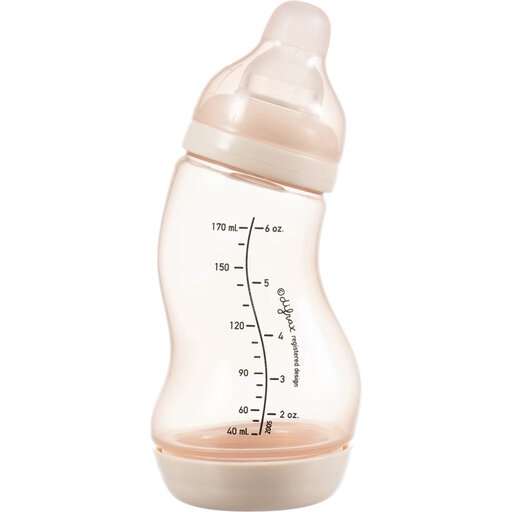
Why it suits this profile: A straightforward way to get started, with one 170 ml bottle and an S teat that, according to the product information, is suitable from birth.
The product information clearly states the bottle capacity, teat size and cleaning method, so you don’t need to buy several sizes straight away.
170 ml capacity, BPA-free PP and a screw-off base, according to the product description.
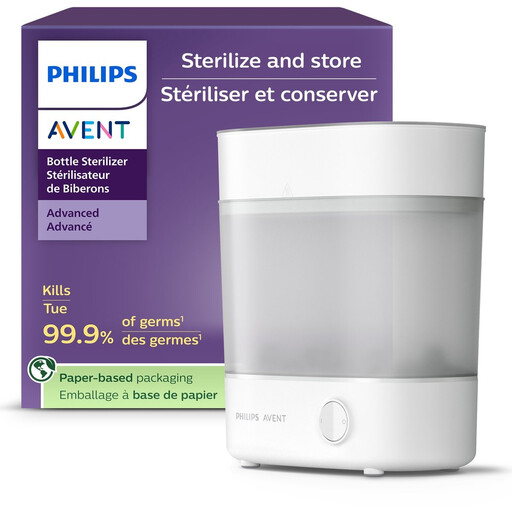
Why it suits this profile: For households that clean several baby bottles, teats or breast pump accessories every day and want a dedicated appliance.
The appliance combines steam sterilisation with drying and, according to Philips, holds up to six Avent bottles. Remember to clean the parts first.
Automatic shut-off, an integrated drip tray and a drying function, with a total cycle of around 40 minutes according to the product information.
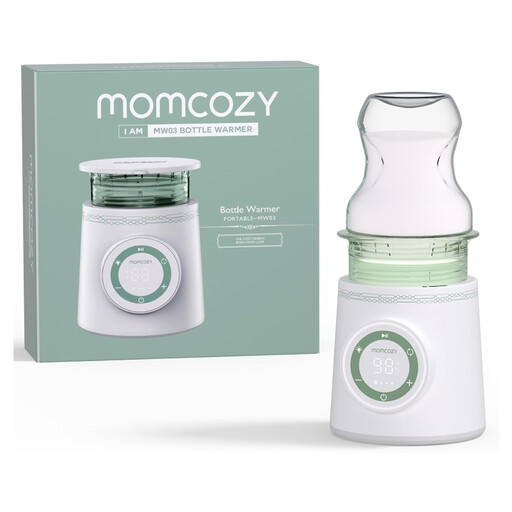
Why it suits this profile: Handy for families who are often out and about and want to warm feeds without a mains connection, such as during car journeys or days out.
The set includes a built-in battery, double leak protection and an adapter. Be sure to check that your bottle is compatible before buying.
Portable design, USB charging and a multi-brand adapter included, according to the product description.
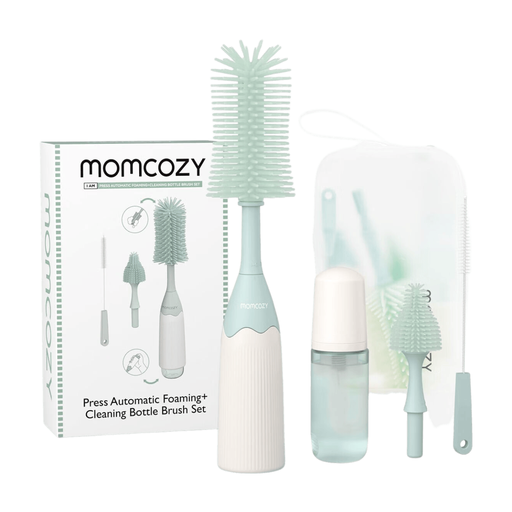
Why it suits this profile: A good choice if you want to clean bottles, teats, straws or narrow parts with one compact set, at home or on the go.
The set includes a main brush, a teat brush and silicone tube brushes. That means you can reach narrow openings, not just the inside walls of the bottle.
Food-grade silicone, removable brush heads, a compact storage case and a foaming function, according to the product information.
We’ve put together a complete, up-to-date list of products that meet these strict selection criteria and the applicable European safety regulations.
A practical starter kit includes a few baby bottles with suitable teats, a bottle brush and, if you wish, a steriliser. If you combine breastfeeding and bottle-feeding, breast pump accessories and a breast milk cooler may be useful. A portable bottle warmer is only necessary when you’re out and about if you don’t have easy access to warm water or a mains socket.
Check silicone parts before every use. Replace them if you notice cracks, stickiness, discolouration, distortion or other signs of wear. For some Difrax soother models, the product information recommends replacing them after around six weeks. Always follow the instructions on the packaging, and never use a soother as a bottle teat.
Not every household needs an electric appliance. Thorough cleaning with a bottle brush and mild washing-up liquid is still the first step. A baby bottle steriliser can be especially useful if you use several bottles, teats or pump parts every day. Before buying, check the capacity, drying function, dimensions and maintenance costs, such as descaling products or replacement parts.
