
Vandaag of morgen in huis

Kwaliteit gegarandeerd

Welkomstaanbiedingen ontgrendelen: GRATIS bezorging | Tot 80% korting | Gratis 30 dagen JoyPlus-proefperiode
Download de app
The right baby feeding accessories can make feeding easier, but the wrong purchase can quickly become a hassle. A bottle that’s difficult to clean, a cool bag with no clear indication of how long it keeps things cool, or a steriliser that doesn’t fit your bottles: these are common reasons for having to buy again later.
Look out for these three pitfalls:
Marketing claims without practical context
A brand might, for example, claim that a product keeps things cool for a long time or offers a high level of hygiene. Always check the conditions under which this applies. A breast milk cooler’s performance may depend on the cooling element being fully frozen, the ambient temperature and how often the bag is opened.
Accessories that don’t fit together properly
Not every bottle fits in every steriliser or cool bag. Breast pump parts may also have an unusual shape or diameter. So check the capacity, dimensions and compatibility before you order.
Focusing too much on extra features
A device with lots of programmes may sound appealing, but it often takes up more space and needs more maintenance. First decide whether your main priority is cleaning, sterilising, drying, warming or keeping milk cool while you’re out.
Baby feeding accessories come into direct or indirect contact with milk. So check the materials used and the care instructions. Products labelled BPA-free are popular, but also check whether this applies to every part: the bottle, lid, teat, sealing ring and any other accessories.
For a BPA-free soother, the age range is also important. A teat for 0–6 months isn’t the same size as one for 6–12 months. BIBS product information states that various models are free from BPA, PVC and phthalates, and lists EN 1400+A2 certification. Always check the packaging and the latest instructions for use.
A good routine for cleaning baby bottles starts with taking them apart. Rinse the bottle, teat, ring and lid after use, and use a separate bottle brush for baby items. A brush with soft silicone parts can help reduce the risk of scratches, but check for cracks, discolouration and signs of wear over time.
Drying is just as important as cleaning. Moisture left in a closed bag or box can become stale. A folding drying rack is handy at home and on the go.
A breast milk cooler’s capacity, cooling element and how it’s used all matter. Check how many bottles it holds and whether they stay upright. The Momcozy cooler in this selection comes with one cooling tube and two 650 ml bottles. According to the product information, when fully frozen, the cooling tube can keep the interior cool for up to 24 hours. This is not a general guarantee for storing breast milk: always follow the current guidelines for storing and transporting baby food.
A bottle steriliser can save time at home. Check how many bottles and small parts it holds, how long a cycle takes and whether the lid needs to stay closed to maintain the stated hygiene period. Steam doesn’t remove dirt on its own, so bottles must be cleaned thoroughly first.
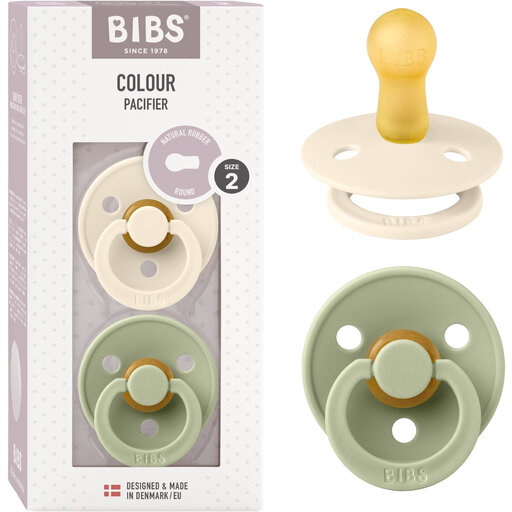
Why it suits this profile: A pack of two soothers is handy as a spare for home, your changing bag or when you’re out and about. The 0–6 months age range makes it easy to choose the right one.
The age range is clearly stated, making it less likely that you’ll choose the wrong size. Remember to check the condition of the teat regularly.
Two per pack; stated to be free from BPA, PVC and phthalates according to the product information; EN 1400+A2 listed.
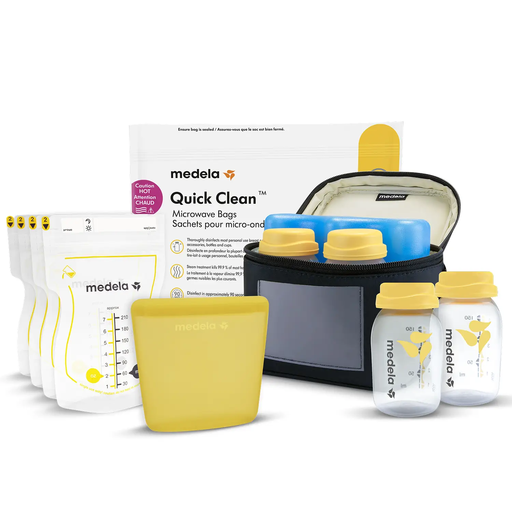
Why it suits this profile: This set is designed for parents who want to combine several expressing, storage and travel essentials in one package.
The set lists everything included separately: a cool bag, cooling element, four bottles, storage bags and a microwave sterilisation bag. This makes it easy to check what you’ll receive before buying.
Four BPA-free polypropylene bottles; cooling element with a moulded fit; suitable from birth according to the product information.

Why it suits this profile: For families who are often out and about or use several feeding accessories, this set brings together different brushes, a soap dispenser, drying rack and storage case.
The set includes separate brushes for bottles, teats and straws, so you don’t have to use one large brush for every small part.
Food-grade silicone and BPA-free plastic according to the product description; folding drying rack; compact case for carrying.
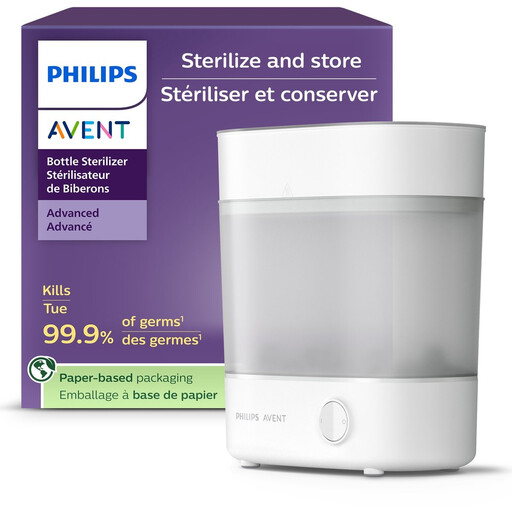
Why it suits this profile: If you use several bottles and breast pump parts every day, having a dedicated place for steam sterilising and drying can be useful.
According to the product information, the appliance has an integrated drip tray and automatic shut-off. Make sure you clean the parts first and use the stated amount of water.
Holds up to six Philips Avent bottles; ten-minute steam cycle; drying function with a full cycle of around 40 minutes.
We’ve put together a complete, up-to-date list of products that meet these strict selection criteria and the applicable European safety regulations.
Take the bottle apart completely and rinse away any milk residue as soon as possible. Clean all the parts with warm water, suitable washing-up liquid and a separate bottle brush. Pay particular attention to the teat opening, screw thread and sealing ring. Leave the parts to air-dry completely before putting them away. Also follow the manufacturer’s instructions.
This depends on your baby’s age, the type of feed and the manufacturer’s instructions. Clean the bottle after every use. You can sterilise a baby bottle using steam, boiling water or a suitable appliance. Check first that the bottle and accessories can withstand the method you choose.
There’s no set lifespan for every product. Replace teats and soft parts as soon as you notice cracks, stickiness, discolouration or distortion. Replace brushes when the bristles or silicone head become damaged. For electrical appliances, limescale build-up, leaks or irregular operation are signs that you should stop using the product.
