
Vandaag of morgen in huis

Kwaliteit gegarandeerd

Welkomstaanbiedingen ontgrendelen: GRATIS bezorging | Tot 80% korting | Gratis 30 dagen JoyPlus-proefperiode
Download de app
A newborn baby doesn’t need a wardrobe full of things. Even so, a shopping list can quickly grow into a collection of care kits, feeding accessories and products that are hardly used. Choosing the right baby essentials is therefore less about the number of items and more about safety, age, materials and everyday use.
A baby starter set with lots of accessories can seem appealing. In practice, you may not use some of the items for months, or at all. So check in advance:
A compact baby care set gift may therefore be a better choice than a large bundle with features you don’t need.
Marketing terms such as “soft”, “natural” or “safe” give you little information without further detail. Look instead for specific information, such as BPA-free, food-grade silicone, whether the item is washable and any warnings about supervised use.
For products for newborns, hygiene matters more than a long list of extra features. An item that’s difficult to clean can be inconvenient as part of your daily routine.
A product for a baby who is a few weeks old isn’t automatically suitable for a six-month-old. This applies to feeding accessories, nail care, vitamins for children and skincare products.
Always check:
For food supplements, you should also follow the dosage on the label. Supplements are not a substitute for a varied diet. If you’re unsure about feeding, breastfeeding or supplements, it’s sensible to speak to your GP, midwife or health visitor.
Clear information about materials is important for accessories that come into contact with food or your baby’s mouth. One example is BPA-free, food-grade silicone. Also check whether a product is heat-resistant, freezer-safe or unsuitable for the dishwasher. These properties vary from item to item.
For skincare, check:
A product description is not a medical diagnosis. A brand’s claims about soothing, restoring or protecting should therefore be read as product information, not as a guaranteed effect. Stop using the product if irritation occurs and ask a healthcare professional for advice.
Baby care products are often used several times a day. An electric nail file, nasal aspirator or thermometer should be cleaned and stored according to the instructions. Electrical components should not come into contact with water unless this is explicitly permitted.
Also check when items need replacing. Silicone collectors, soothers and other parts should be checked for cracks, discolouration or other damage before each use.
For breastfeeding accessories, a small capacity is often more practical than a large bottle. A 5 ml colostrum collector, for example, is designed to collect small amounts. Also check:
According to the Momcozy collector product information, the set contains two reusable collectors made from food-grade, BPA-free silicone. The collectors are not dishwasher-safe. Always follow the instructions provided and ask a healthcare professional for advice on collecting and storing colostrum.
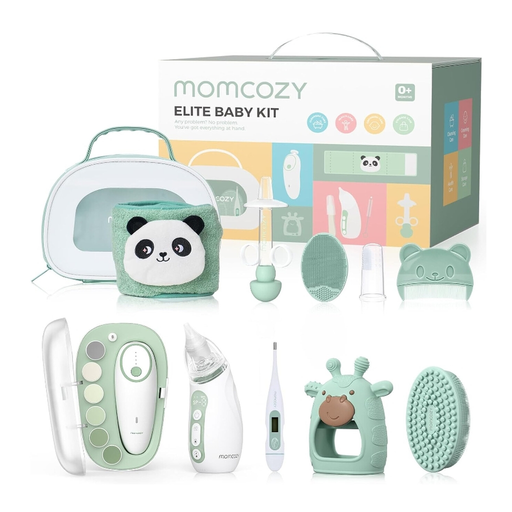
Why it suits this profile: This bundle combines care and cleaning items with a few health-related accessories in one storage case. It could be useful if you’d rather not buy each item separately.
The contents are listed in advance, so you can check whether the combination suits your routine. Do check the age guidance, and only use the electrical items under supervision.
Storage case; battery-powered electric nail file and nasal aspirator; thermometer and several care accessories.
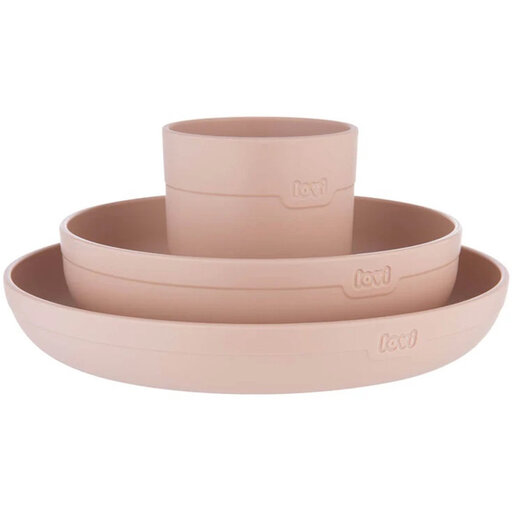
Why it suits this profile: For parents who want simple shapes, easy everyday care and clear materials information for their baby’s first tastes. According to the product description, the set is suitable from 6 months.
Its intended use and age suitability are clearly stated. This means you won’t buy the set expecting it to be suitable for a newborn.
Plate, bowl and open cup; dishwasher- and microwave-safe according to the product information; free from melamine and BPA.
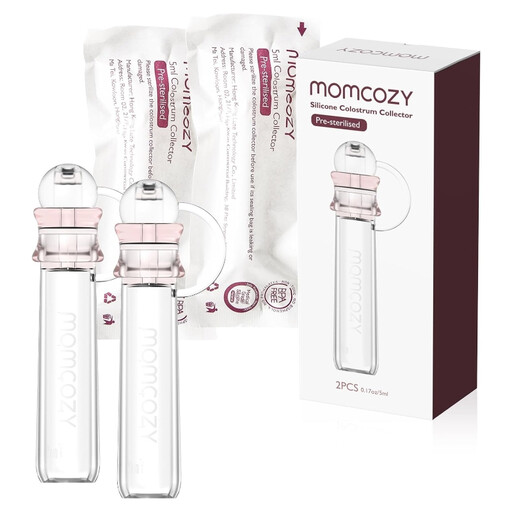
Why it suits this profile: Designed for parents looking specifically for breastfeeding accessories to collect small amounts of colostrum, rather than a general baby starter set.
The capacity of 5 ml per collector and the quantity of two are clearly specified. The collectors are not dishwasher-safe, so hand-washing is part of using them.
Two reusable collectors; food-grade silicone; BPA-free; storage box included according to the product information.
We’ve put together a complete, up-to-date list of products that meet these strict selection criteria and the applicable European safety regulations.
Not every product in this selection is intended for newborns. A Difrax feeding set is suitable for first tastes from 6 months, while a colostrum collector is a specialist tool for around the time of birth. Vitamins for children also require extra care when it comes to age and dosage.
According to the product information, the Davitamon combination of vitamin D and vitamin K oil is intended for breastfed babies, with separate dosages. The product contains refined peanut oil. If you have a known allergy or are unsure about using it, seek medical advice. Only give supplements as directed on the label, and don’t exceed the recommended daily amount.
For everyday childcare, a mild wash, nappy cream, nail care and a thermometer may be more practical than cosmetic gift sets. Always check the ingredients in a skincare set. A set for adults, such as a facial care set, isn’t automatically suitable as a baby care product.
Start with a safe place to sleep, nappies, clothes, gentle care products, a thermometer and feeding supplies to suit your circumstances. Only then add extra baby feeding accessories or a comprehensive baby care set. A new-baby gift doesn’t have to be large: a practical product that gets used often is usually more valuable.
Lifespan varies from product to product. Check accessories for cracks, discolouration and wear before each use. Replace items when the manufacturer advises you to, or if you can no longer clean them reliably. For creams, oils and vitamins, follow the expiry date and storage advice.
It depends on age, diet and individual advice. A supplement is not a substitute for a varied diet. Read the label carefully, check the recommended age and dosage, and speak to a doctor, midwife or health visitor if you’re unsure.
