
Vandaag of morgen in huis

Kwaliteit gegarandeerd

Welkomstaanbiedingen ontgrendelen: GRATIS bezorging | Tot 80% korting | Gratis 30 dagen JoyPlus-proefperiode
Download de app
Expecting a baby? Then building your list of baby essentials is probably high on your to-do list. The range of baby supplies is enormous, and it's easy to get lost in well-meaning advice and clever marketing. Many parents-to-be buy too much, or items that become useless after just a few months. This guide will help you make practical choices and sidestep common pitfalls, so you only buy what you truly need.
As a Joybuy Product Recommendation Officer, I see which products are popular every day, but also which ones parents later regret. The two most common mistakes are:
Before you fill your shopping cart, there are a few key points that make the difference between a good purchase and wasted money. By paying attention to these, you'll create a baby essentials list that is genuinely practical.
For any product that goes into your baby's mouth, like a pacifier, teether, or toddler cutlery, material safety isn't a luxury—it's a necessity. The term you'll encounter most often is BPA-free. This means the product is made without the chemical Bisphenol A. Look for certifications and product information that explicitly state materials are food-grade and free of harmful substances. This is an objective specification that manufacturers must be able to prove.
Babies grow fast, and their needs change along with them. A pacifier for a newborn is different from one for an 18-month-old toddler. The first is smaller and lighter, while the second is sturdier and designed for a mouth with emerging teeth. The same goes for clothing, bottle nipples, and even toys. An initial list of baby essentials doesn't need to include items for the entire first year. Buy what you need now and supplement later.
Caring for a baby takes time. Products that are easy to clean and sterilise will make your life much simpler. Check if pacifiers can be boiled, if a high chair has a removable and washable tray, and if toddler cutlery is dishwasher-safe. In the long run, these practical features are often more valuable than a trendy design.
To help you put theory into practice, we've selected a few products that align with different stages and needs. These aren't 'winners', but concrete examples of how a product can meet a specific need.
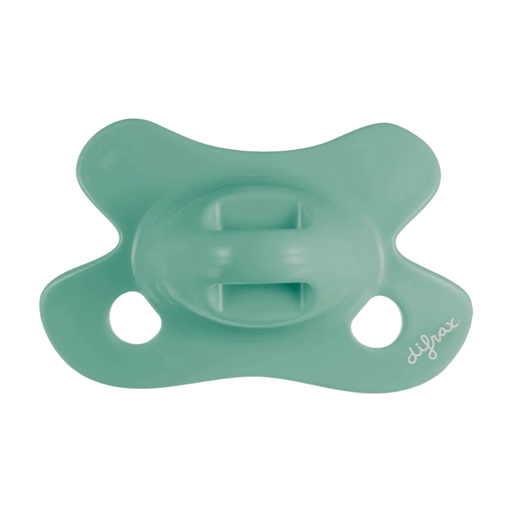
Why This Fits Their Persona: Specially designed for newborns and premature babies. Its shape supports the natural sucking reflex without any unnecessary fuss, making it instantly familiar to your little one.
Prevents the purchase of a 'one-size-fits-all' pacifier that isn't suitable for the smallest babies. The focus is on function and safety from day one.
The butterfly shape leaves the nose free, and the BPA-free material is a safe choice. The holes provide extra airflow, which helps prevent skin irritation.

Why This Fits Their Persona: Perfect for babies who put everything in their mouths. This teether is designed to soothe sore gums and is easy for little hands to hold. A practical baby shower gift.
Instead of a generic plastic toy, you're choosing a product specifically designed for teething relief, made from safe materials with various textures.
Made from safe silicone with multiple textures for exploration and relief. The keychain design is easy for the baby to grip and handle on their own.

Why This Fits Their Persona: Ideal for the transition to solid foods. This toddler cutlery has an ergonomic, soft grip that encourages self-feeding and is safe for sensitive gums.
This isn't a scaled-down version of adult cutlery. It's designed with a child's motor skills and safety in mind, featuring rounded and flexible parts.
Ergonomic, non-slip handles and rounded fork tines for extra safety. Includes a storage case for hygiene on the go.
We've curated a complete, up-to-date list of baby pacifiers that meet strict selection criteria and safety standards.
For safety and hygiene, it is recommended to replace a pacifier every four to six weeks. According to manufacturers like Difrax, it's important to check daily for tears or damage by pulling on the nipple part. If you find any damage, you should discard the pacifier immediately.
Most babies start to experience discomfort from teething around 4 months of age. A teether is a suitable tool from that age onwards. Choose a model that is easy to hold and made from safe materials with different textures to massage the gums.
BPA (Bisphenol A) is a chemical used in some plastics. Products that are BPA-free give you the assurance that no unwanted substances will end up in your baby's mouth. This is especially important for items that come into frequent contact with the mouth, such as pacifiers, bottles, and toddler cutlery. It is a crucial, objective specification to look for when buying baby gear.
