
Vandaag of morgen in huis

Kwaliteit gegarandeerd

Welkomstaanbiedingen ontgrendelen: GRATIS bezorging | Tot 80% korting | Gratis 30 dagen JoyPlus-proefperiode
Download de app
Comparing baby and children’s clothes may seem straightforward. However, three common pitfalls can make a purchase less useful than expected.
Choosing by age alone
A label such as “6 months” is a guide, not a guarantee of the right fit. Babies don’t all grow at the same pace. So check the clothing size and your child’s height, as well as the room around the neck, arms and legs. For children aged 0 to 7, the range often runs from baby and children’s clothes in sizes 56 to 122.
Confusing the fabric composition with comfort
“Cotton” doesn’t tell you everything. A 100% cotton T-shirt can feel different from one made with 95% cotton and 5% elastane. The fabric’s thickness, fit, seams and care instructions also affect how practical a garment is. Always check the full fabric composition and care label.
Taking marketing claims at face value
Terms such as “breathable”, “safe” or “suitable for all seasons” are only useful when the product information explains what they mean. For a baby sleeping bag, for example, check the TOG rating, size, temperature guidance and safety warnings. According to Vowia’s product information, this sleeping bag is designed for 2.5 TOG and a room temperature of 16 °C to 20 °C. This is information provided by the brand, not a general guarantee for every baby or bedroom.
Compare the size guide with your child’s current height. A baby bodysuit, set or pyjamas that are too small can restrict movement. A size that’s too large may be awkward to wear or could create a safety risk with sleepwear.
When choosing baby clothes, look for:
For everyday wear, a slightly roomier fit can sometimes be practical in a baby T-shirt and shorts set. For a baby bodysuit or sleeping bag, a well-fitting neck and armhole opening is more important.
Cotton is a popular choice for everyday clothes, but the percentage varies by product. For example, the range includes Chicco baby clothes made from:
Elastane can add stretch. Polyester can help a garment keep its shape and make it easier to care for, but how it feels against the skin varies from child to child. So check the product label and follow the care instructions. Wash a garment before first use if the label or product information recommends it.
For a baby dress, girls’ clothes or boys’ clothes, the fabric and fastening are just as important as the colour or print. A lovely design that’s difficult to put on is less likely to get worn in practice.
For summer clothes, consider how lightweight they are, how freely your child can move and how easy they are to wash. For children’s sandals, size, fastening and material all matter. Remember that the shoe size listed won’t necessarily match your child’s clothing size or age.
For sleepwear, the TOG rating is a technical guide. A 2.5 TOG cotton baby sleeping bag is intended for cooler conditions, but always check the room temperature and instructions for use. According to Vowia’s product information, this model has a cotton outer fabric and lining, with polyester filling. The manufacturer also warns that the neck and armhole openings must fit properly, and that the sleeping bag must not be used with additional bedding. Always follow the safety information on the product.
The selection below is based on verifiable details such as size, fabric, product type and intended use.
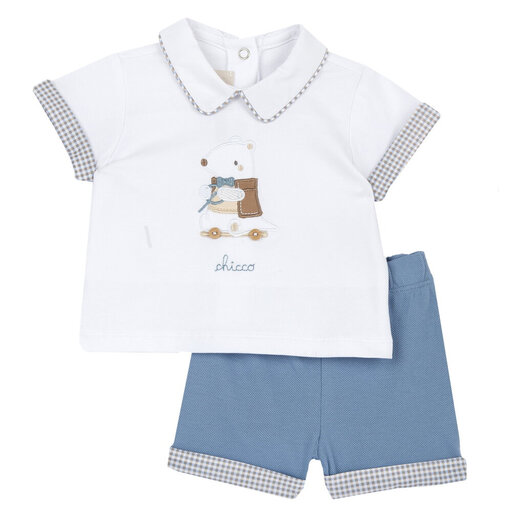
Why it suits this profile: This two-piece T-shirt and shorts set is designed for boys in size 056, with a listed age range of 56 to 3 months. It’s made from 95% cotton and 5% elastane.
The size and age are clearly listed, so you don’t have to rely solely on a general age guide. Be sure to check your child’s measurements too.
A two-piece set in medium light blue, made with cotton and elastane.
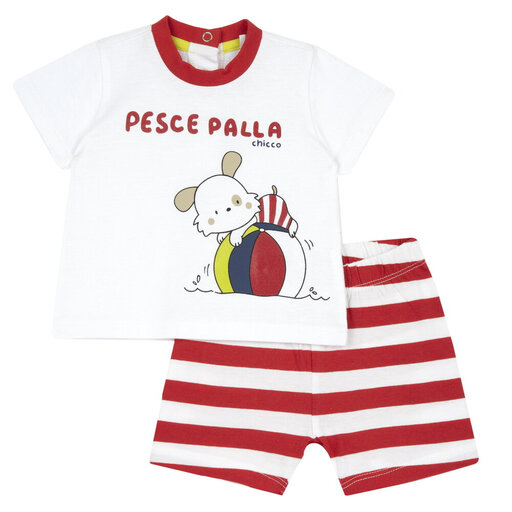
Why it suits this profile: If fabric and a clearly stated composition are your priorities, this set is made from 100% cotton and comes in size 074, listed for ages 74 to 12 months.
The fabric claim is specific: 100% cotton. This makes it easier to compare with fabric blends, without relying on a vague comfort claim.
100% cotton, a two-piece set and a white, red and grey colour combination.
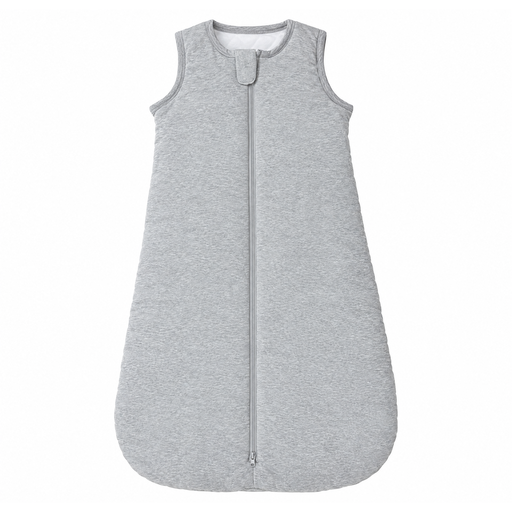
Why it suits this profile: This model is designed for sleep in cooler rooms. The product information lists a 2.5 TOG rating, a size for 6 to 12 months and a recommended room temperature of 16 °C to 20 °C.
The TOG rating and temperature guidance make it easier to choose than a general claim such as “warm for winter”. Follow the warnings and don’t use it with additional bedding.
2.5 TOG, a cotton outer fabric and lining, plus a two-way zip fastening according to the product description.
We’ve put together a full, up-to-date list of products that meet these strict selection criteria and the applicable European safety regulations.
Use your baby’s height as your first guide. Size 56 often fits newborns, while sizes 62, 68 and 74 are used for the next stages of growth. Always check the individual brand’s size guide, as styles can fit differently.
It depends on how quickly your child grows, how often the clothes are worn, the fabric and how they’re washed. Don’t automatically buy several sizes in advance. Babies in particular can quickly outgrow a size. Sets and bodysuits are practical for everyday wear when you need several changes of clothes.
Check the size, TOG rating, room temperature, neck and armhole openings, and safety warnings. A 2.5 TOG baby sleeping bag isn’t suitable for every bedroom. Use it according to the label, and don’t add extra blankets or other bedding if the product information advises against it.
