
Vandaag of morgen in huis

Kwaliteit gegarandeerd

Welkomstaanbiedingen ontgrendelen: GRATIS bezorging | Tot 80% korting | Gratis 30 dagen JoyPlus-proefperiode
Download de app
When it comes to baby and child care products, it’s not just about attractive packaging or a familiar brand name. Parents look for products that suit their child’s age, skin and daily routine. However, there are a few common pitfalls that can leave you with a product that’s less suitable than you expected.
Words such as “mild”, “natural” or “for sensitive skin” don’t tell you everything. Always check the full ingredients list, recommended age and instructions for use. For example, some brands state in their product descriptions that their products are dermatologically tested or assessed by paediatricians. This is information provided by the brand, not a general guarantee that every child will tolerate the product without any problems.
A large bottle may seem like good value, but it can be less practical if you only use the product occasionally. With sun cream, the amount you apply matters too: applying too little reduces protection. A small pack, such as a 50 ml sun cream, can be handy for a changing bag or holiday, while a larger bottle makes more sense for everyday use with several children.
Babies’, toddlers’ and older children’s skin doesn’t always have the same care needs. Toothpaste also needs extra consideration: the recommended amount of fluoride varies by age. So check the label before buying or using a product.
Start by checking who the product is for:
An SPF 50 or SPF 50+ indicates that the product offers a high level of sun protection according to the relevant test method. This doesn’t mean a child can stay in the sun indefinitely. Keep young children out of direct sunlight, dress them in protective clothing and avoid strong sun where possible.
Water resistance is useful for swimming or water play, but it doesn’t provide permanent protection. Even an “extra water-resistant” formula needs to be reapplied after swimming, drying off and heavy sweating. According to the product description, NIVEA claims that some Kids formulas are water-resistant for longer than regular water-resistant sun cream. Check the instructions on the packaging for details.
When choosing care products for sensitive baby skin, you may want to check:
“Natural” doesn’t automatically mean a product is suitable for every child. Natural fragrances can also cause a reaction in some children. Stop using the product if irritation occurs, and ask a doctor or pharmacist for advice if symptoms persist.
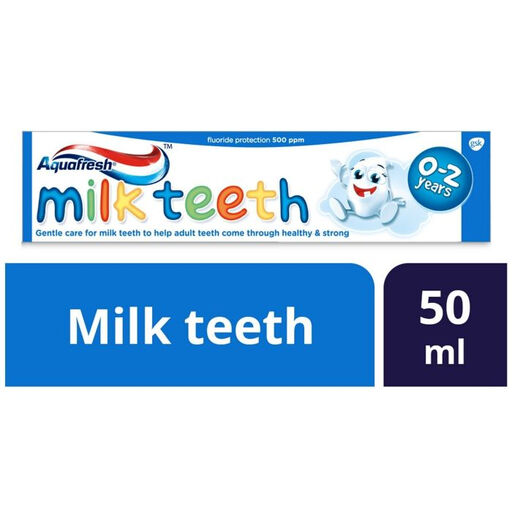
Why it suits this profile: A compact toothpaste for parents looking specifically for toddler toothpaste for first milk teeth and a simple daily routine.
The product information specifies the 0-2 age group and a fluoride content of 1000 ppm, so you don’t have to rely on a general age claim.
50 ml, a low-abrasion formula and, according to the stated instructions, use a smear of toothpaste for children under 3 years.
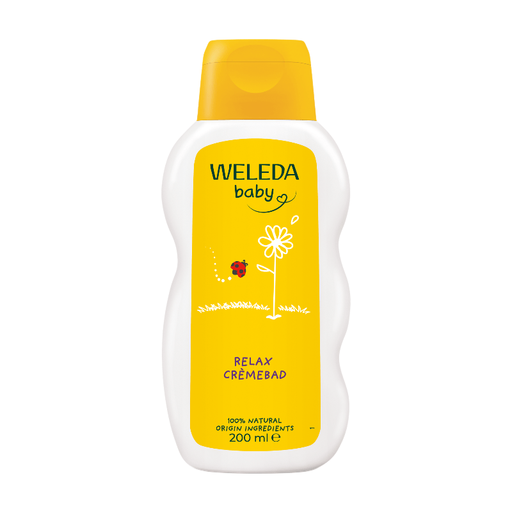
Why it suits this profile: A good choice for parents looking to create a pampering bath-time routine with a gel-cream formula, calendula and a lavender and neroli fragrance.
The product description states that the formula is free from soap, microplastics, SLS and SLES. Check the current packaging if the ingredients are a deciding factor for you.
200 ml, 100% natural ingredients according to the product information, and a formula that turns into a soft cream in bath water.
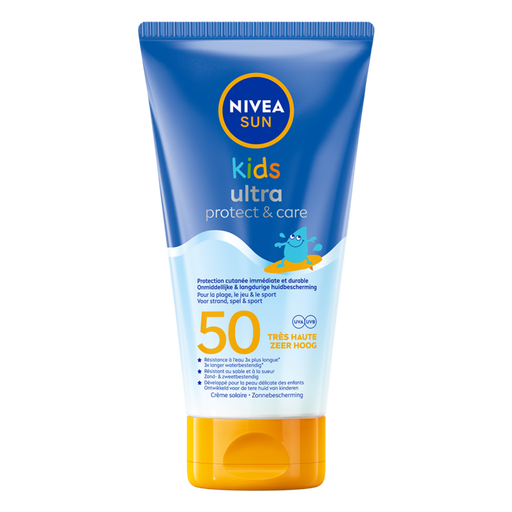
Why it suits this profile: A practical choice for days at the beach, playing outdoors and sports, when you want a larger pack and a high SPF.
The product information lists SPF 50+, UVA and UVB protection, and water resistance. You’ll still need to reapply after swimming, drying off or sweating.
150 ml, designed for the face and body, and described by the brand as resistant to sweat and sand.
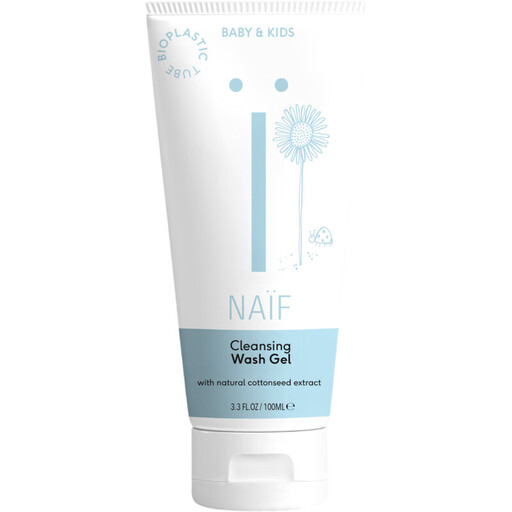
Why it suits this profile: Handy for everyday washing in the shower or bath, with a soap-free formula for babies and children.
The product description states that the wash gel contains no SLES or microplastics and is free from the 26 most common allergens. Check the current ingredients list.
200 ml, soap-free, and contains glycerine and cottonseed extract according to the ingredients list.
We’ve put together a complete, up-to-date list of products that meet these strict selection criteria and the applicable European safety requirements.
Choose a toothpaste that clearly states the appropriate age and fluoride content. Use a small amount for young children and supervise them while they brush. Follow the label and local advice from your dentist or health visitor.
Apply sun cream generously before going out in the sun and reapply regularly. Always reapply after swimming, drying off or sweating. Water resistance doesn’t remove the need to reapply promptly.
That depends on your child’s skin and the product. Baths don’t need to be long, and lukewarm water is usually enough for everyday cleansing. Use baby bath oil or a cream bath according to the packaging, and stop if irritation occurs. If your child has dry or particularly sensitive skin, it may be worth asking a doctor or pharmacist for advice.
