
Vandaag of morgen in huis

Kwaliteit gegarandeerd

Welkomstaanbiedingen ontgrendelen: GRATIS bezorging | Tot 80% korting | Gratis 30 dagen JoyPlus-proefperiode
Download de app
Baby skin doesn’t automatically need lots of different products. Even so, it’s easy for the bathroom to fill up with baby bath oil, baby bubble bath, baby bath gel, baby shampoo and baby soap. The right choice depends mainly on when you’ll use it, its ingredients and how your baby’s skin reacts.
Words such as “natural”, “hypoallergenic” and “dermatologically tested” may sound reassuring, but they don’t automatically mean a product is suitable for every child. Always check the full product description and ingredients list. According to the brand’s product information, “dermatologically tested” means the product has undergone testing; it doesn’t guarantee that irritation is impossible.
A familiar scent may be pleasant for parents, but fragrance may not suit every child. If your baby has sensitive skin, it’s a good idea to start with a simple formula and use the product sparingly. Stop using it if you notice redness, itching or a tight feeling, and follow the instructions on the packaging.
Your baby’s skin doesn’t need to be washed thoroughly with several products at every bath. Lukewarm water and a small amount of baby bodywash or bath gel are often enough for a regular bath. Use shampoo when your baby’s hair or scalp needs it. This helps avoid unnecessary product use and keeps your routine simple.
Soap-free baby care can be a practical choice for everyday washing. Look for terms such as “soap-free” and “skin-friendly pH”, and check for mild cleansing ingredients. SLES-free formulas are also popular with parents who want to avoid sulphate cleansers, but “free from SLES” alone doesn’t tell you everything about the overall formula.
Baby bubble bath is mainly designed to create bubbles and make bath time fun. Baby bath gel or baby bodywash is usually more practical for targeted cleansing of the body and face. Always use the recommended amount; using more product doesn’t automatically mean a better clean.
Compare the ingredients list rather than just the front of the packaging. Glycerine, for example, is often used as a moisturising ingredient. Other formulas contain plant extracts or oils. When choosing natural baby care products, it’s still important to check whether they contain fragrance: natural doesn’t necessarily mean fragrance-free or suitable for all sensitive skin.
Also consider the type of product:
A 200 ml bottle can be handy for trying a product first. A 500 ml bottle or multipack may offer better value for everyday use, but only if the product suits your baby’s skin and your routine. Also check the expiry date and the period-after-opening information on the packaging.
“Hypoallergenic” and “suitable for sensitive skin” are claims made by the brand. Treat them as information to compare, not as a medical assessment. If skin problems persist, it’s better to seek advice from a GP or another healthcare professional than to keep trying new products.
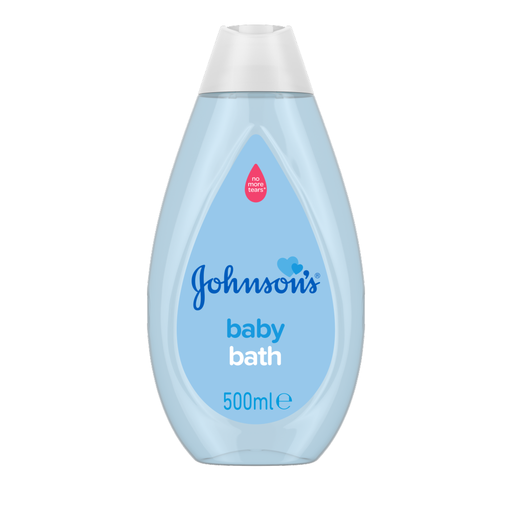
Why it suits this profile: The 500 ml size is practical for families who bathe their baby regularly and don’t want to buy a new bottle too soon. According to the product information, the formula is pH-neutral, soap-free and free from colourants.
The product information states that the formula is free from soap, sulphates, alcohol, parabens, phthalates and colourants. Always check the current packaging yourself.
500 ml; dermatologically tested and pH-neutral according to the brand.
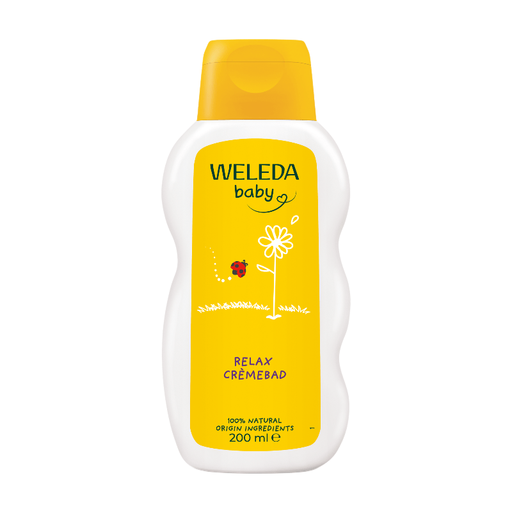
Why it suits this profile: This cream bath is designed for parents who value natural ingredients and enjoy having a regular evening routine.
The product description says the formula is free from soap, microplastics, SLS and SLES. The stated lavender and neroli fragrance makes it less suitable if you want to avoid fragrance.
200 ml; 100% natural ingredients and a NATRUE label according to the product information.
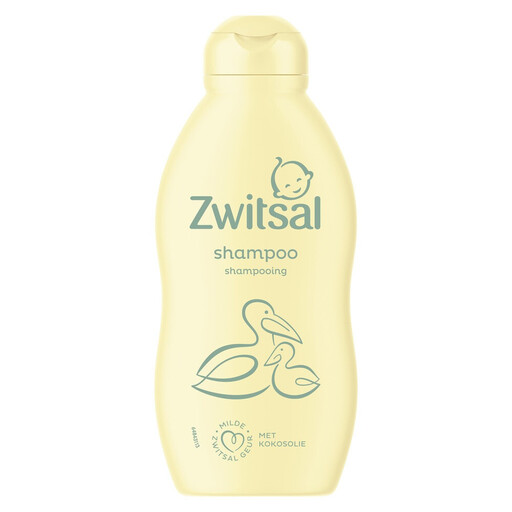
Why it suits this profile: A separate baby shampoo is handy for children with longer or thicker hair, so you don’t need to use bodywash on the scalp.
The product description states that it contains 0% SLES and is for use on the scalp. Always use a small amount and avoid contact with the eyes, even when the product is described as no-tears.
200 ml; dermatologically tested and suitable for sensitive baby skin according to the brand.
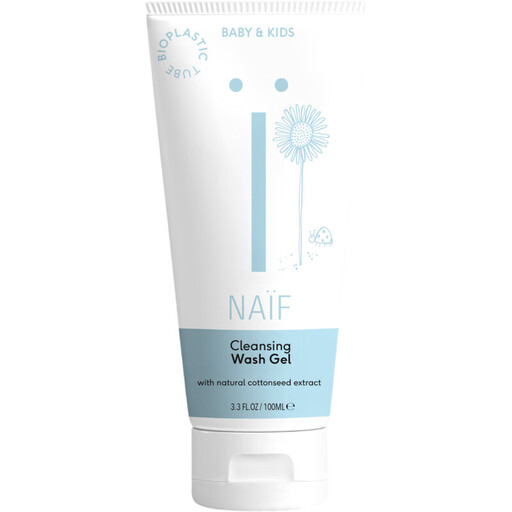
Why it suits this profile: This wash gel is designed for the body and can be used in the shower or bath. It suits parents who prefer one simple product for everyday cleansing.
According to the product information, the gel is soap-free, free from SLES and microplastics, and contains none of the 26 listed common allergens. Check the ingredients on the current packaging.
200 ml; suitable for babies and children according to the product description.
We’ve put together a complete, up-to-date list of products that meet these strict selection criteria and the applicable European safety regulations.
For the basics, a gentle bodywash or baby bath gel is enough, with baby shampoo if needed. Baby bath oil, baby bubble bath and baby soap are optional extras for specific preferences. Start with small amounts and only add products you’ll actually use.
It depends on your baby’s age, activity and skin type. A short bath in lukewarm water doesn’t need to involve a thorough wash with cleanser every day. Follow the instructions on the label and pat the skin dry afterwards rather than rubbing it firmly.
The expiry date and period after opening are shown on the packaging. Keep bottles tightly closed and avoid prolonged exposure to heat or direct sunlight. If the product’s smell, colour or texture changes, stop using it.
