
Vandaag of morgen in huis

Kwaliteit gegarandeerd

Welkomstaanbiedingen ontgrendelen: GRATIS bezorging | Tot 80% korting | Gratis 30 dagen JoyPlus-proefperiode
Download de app
The first few months with a baby call for plenty of practical essentials. From baby nappies and baby wipes to a baby sleeping bag, baby bath and baby carrier, there’s a lot to choose from, and product claims can sound more convincing than they prove to be in practice. As a Joybuy Product Recommendation Officer, I focus on verifiable specifications, clear warnings and how well a product fits into your day-to-day life.
Terms such as “extra soft”, “maximum protection” or “suitable for sensitive baby skin” only tell you so much. Check the product specifications too, including the materials, size, weight range and any certifications.
According to Pampers’ own information, some Pampers nappies are dermatologically tested, free from EU fragrance allergens and certified to OEKO-TEX Standard 100. These are more specific details than a general claim about comfort. However, a certification or test doesn’t mean every child will tolerate the product without any problems.
A large box of nappies may seem like good value, but babies grow quickly. According to BC Babycare’s product information, size 1 nappies are intended for babies weighing 2 to 5 kg. Size 3 nappies and size 4 nappies are designed for different weight ranges. For bigger babies, there are also size 5 nappies and nappy pants for babies weighing 12 to 17 kg.
A nappy that’s too small can cause pressure marks and leaks. One that’s too big may not fit snugly around the legs. Check your baby’s weight first, then consider the fit. When moving up to a new size, it’s best to try a smaller pack first.
A sleeping bag with a 2.5 TOG rating isn’t automatically suitable for every bedroom. According to Vowia’s product information, this rating is intended for a room temperature of around 16 to 20 °C. When choosing a baby carrier, you’ll also need to consider weight, airways, adjustability and the position of your baby’s hips.
How you use a baby care product matters. The most practical choice isn’t always the cheapest pack, but the product that suits your baby’s age and weight, as well as your routine at home.
When choosing baby nappies, look out for:
The BC Babycare Royal Nappies Size 1 product information lists an absorbent core made from fluff pulp and SAP, a wetness indicator and a weight range of 2 to 5 kg. The Pampers Premium Protection range is available in sizes 1, 3, 4 and 5, among others. Always check the current product packaging for precise sizing and usage information.
When choosing baby wipes, these details are particularly useful:
The BC Babycare wipes state that they contain 99% purified water, unscented fibres and are OEKO-TEX certified under number 25.HUS.21538. According to Pampers Sensitive product information, these wipes are free from alcohol, fragrance and colourants. These are verifiable features, but they don’t tell you how your baby’s skin will react individually.
When choosing a baby sleeping bag, check the TOG rating, size, neck opening and room temperature. Don’t use loose blankets with a sleeping bag if the product instructions advise against it. Always put your baby down to sleep on their back and follow the safety warnings.
For a baby carrier, check the minimum and maximum weight, adjustability and whether your baby’s face will remain visible. According to the product information, the Momcozy carrier in this selection is suitable for babies weighing around 3.18 to 19.96 kg and is designed for front carrying.
When choosing a baby bath, check its dimensions, anti-slip features and material information. Never leave a baby alone in the bath, even in one with a back support. Use baby bath oil and other bath products sparingly and according to the label; babies don’t need extra care products for every bath.
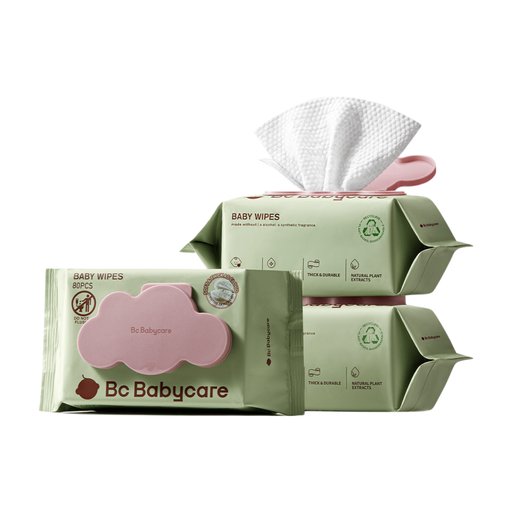
Why it suits this profile: A compact pack lets you try the baby wipes before stocking up on a larger quantity.
The product information states that the wipes are fragrance-free, contain 99% purified water and come in a resealable pack.
240 wipes, unscented and, according to the product information, OEKO-TEX certified.

Why it suits this profile: A good choice for parents who want to consider fit, umbilical cord-friendly details and skin-contact information during the early months.
The product information mentions an umbilical cord-friendly cut-out, overlapping fastening strips and no EU fragrance allergens.
180 nappies, absorbent micropores according to the brand description, and an OEKO-TEX Standard 100 mention.
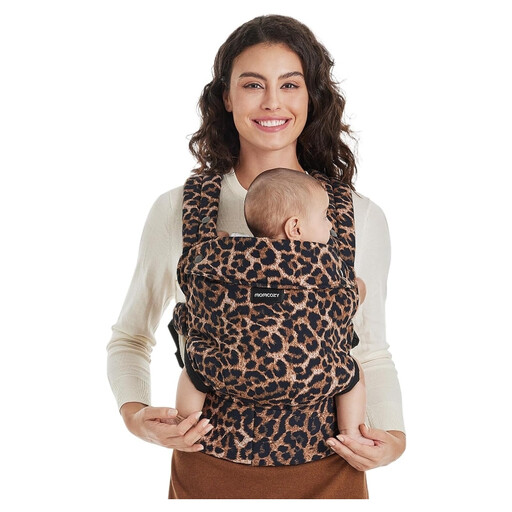
Why it suits this profile: Handy for carers who regularly go for walks, travel or want to keep their hands free at home.
The product information gives a weight range of around 3.18 to 19.96 kg and mentions adjustable straps. Check the buckles and your baby’s airways before every use.
100% cotton according to the product specifications, machine washable and designed for front carrying.
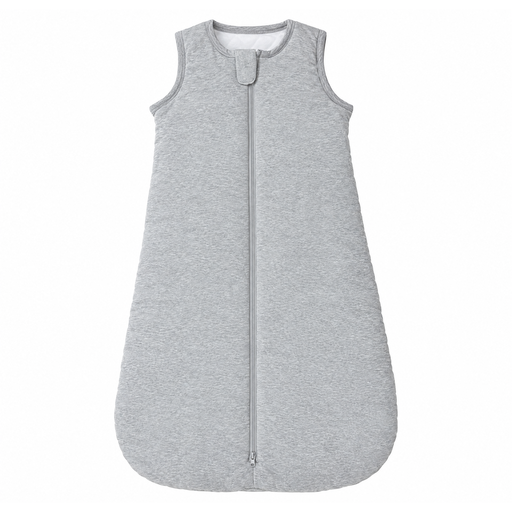
Why it suits this profile: A practical option for cooler bedrooms when you want a suitable sleeping bag instead of loose blankets.
The product information gives a temperature range of 16 to 20 °C, a two-way zip and warnings about sizing, the neck opening and overheating.
100% cotton outer fabric and lining, 2.5 TOG, and a stated size for children aged around 6 to 12 months.
We’ve put together a complete, up-to-date list of products that meet these strict selection criteria and current European safety requirements.
Start with a small supply: one or two sizes of baby nappies, a small pack of baby wipes, gentle bath care and clothes suited to the season. Don’t buy large quantities of size 1 or size 3 nappies straight away; babies grow at different rates and the fit can vary.
Follow the use-by date and the information on the packaging. Seal packs of wipes securely after every use and store them somewhere cool and dry. Don’t use baby wipes if they’ve dried out, smell unusual or have visibly changed.
Stop using the product that may be causing the irritation and keep the area clean and dry. If the symptoms are persistent, severe or keep coming back, contact your GP or another healthcare professional. No product claim is a substitute for personalised medical advice.
